

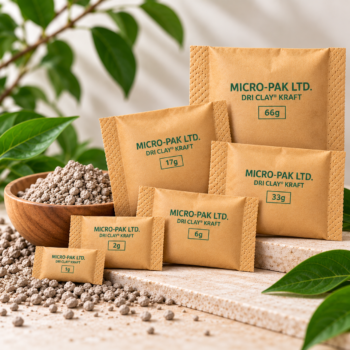
Biodegradable Clay Desiccant sachets can be safely disposed of with regular general waste, subject to local waste disposal requirements. It’s important to understand How to dispose of Biodegradable Clay responsibly. When disposed of in landfill, the plastic-free, biodegradable Kraft paper packaging breaks down, while the naturally occurring bentonite clay returns to the earth in its … Read more
Frequently Asked Questions

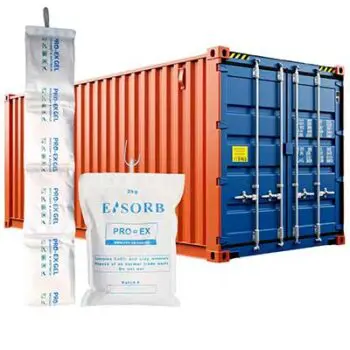
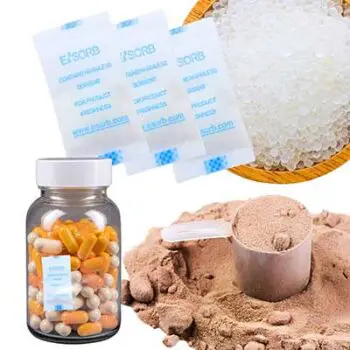
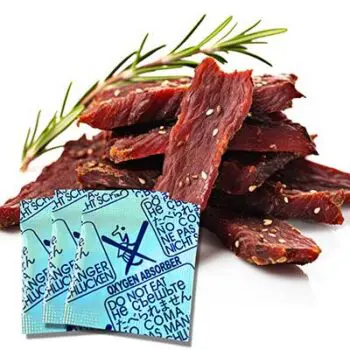

GENERAL INFO
Can I get a copy of my invoice?
Yes – invoices are automatically emailed after your order is confirmed. You can also request a copy from our accounts team.
What payment methods do you accept?
We accept EFT (Electronic Funds Transfer), Visa, Mastercard, PayPal, and bank transfer, as well as Apple and Google Pay.
Do you offer credit terms or trade accounts?
Yes – eligible business customers can apply for a trade account with credit terms. Contact us to begin the application process.
Do you offer bulk or wholesale pricing?
Yes – we offer competitive bulk and volume pricing. Contact us directly for a custom quote or assistance.
What happens if I’m not home when my order arrives?
All orders are dispatched with Authority to Leave (ATL) by default. This means your parcel may be left at the delivery address without a signature. If ATL is not suitable for your location, please contact us before placing your order to arrange alternate delivery instructions. Pro-Ex is not responsible for lost, stolen, or damaged parcels left unattended under ATL.
How do I track my order?
Once your order is shipped, you’ll receive a tracking link via email. You can also log in to your account to view your order status.
Do you ship internationally?
Currently, we ship within Australia only. For international enquiries, please contact us directly.
Do you offer Express Post?
Yes – express shipping can be arranged. Additional charges apply. Contact us for urgent delivery assistance.
How long does shipping take?
Most orders are dispatched within 1–2 business days. Metro areas: 1–3 days. Regional areas: 3–7 days.
Do you offer product samples?
Yes – we can supply small samples for testing in some cases. Please reach out to discuss your requirements.
Is there a fee for urgent warehouse orders?
Yes – a fee may apply for urgent warehouse dispatch or same-day collection requests. Please contact us to check availability and applicable fees.
Can I collect my order from a warehouse?
Yes – warehouse collections are available with 24 hours’ notice after placing your order. A $12 handling fee applies to all warehouse collections under $300.
Can I collect my order from your office?
Yes – free collection is available from our Thornleigh office. Stock is limited to loose packets or single-carton orders. Please contact us to confirm availability.
Do you have a shop or retail store I can visit?
We are not a retail store and do not operate a physical showroom. Orders must be placed online or through our office. Office and Warehouse collections are available for select items.
How do I contact customer service?
You can reach us via phone, email, or live chat during business hours. Visit our Contact Us page for more details.
Where are you located?
We have warehouses in Sydney, Melbourne, Brisbane, Adelaide and Perth. Our office is located in Thornleigh, NSW.
What are your office opening hours?
Our Thornleigh office is open Monday to Friday, 8:00am – 5:00pm (AEST). Please note that warehouse operating hours may differ.
Container & Shipping Desiccants
GENERAL FAQ
What are the types of Desiccants for Cargo Containers?
Gel desiccants are regarded as the highest-performance desiccant, capable of absorbing up to 350% of its weight
Calcium Chloride desiccants – High moisture absorption capacity, absorbing up to 150% of its weight.
Mineral-based desiccants - Cost-effective for moderate moisture control, they absorb up to 70% of their weight.
Clay-based desiccants – Environmentally friendly & Mil-spec desiccant, absorbs up to 40% of their weight.
Silica gel – Best for electronics and pharmaceuticals, absorbs up to 40% of its weight.
Pro-Ex Gel 1kg
, available at
Protection Experts Australia
, is a
high-performance calcium chloride desiccant
designed for
maximum absorption and long-lasting moisture control
.
Should we seal off the vents in a container when installing container desiccants?
Yes, seal off the vents - this will ensure no “new” air is introduced into the shipping container during the voyage.
What is a shipping desiccant, and how does it work?
A shipping desiccant is a moisture-absorbing product used in shipping containers, warehouses, and storage facilities to prevent condensation, mould, rust, and packaging damage. It works by absorbing excess humidity from the air, reducing the risk of container rain, and keeping cargo dry throughout transit.
Why do I need desiccants for my shipping container?
When cargo is sealed inside a shipping container, temperature fluctuations cause moisture to condense, leading to:
mould and mildew growth on textiles, food, and paper products.
Rust and corrosion on metal parts and machinery.
Warpage and swelling in wooden products and furniture.
Packaging deterioration, weakening cartons, labels, and shrink wrap.
Using high-quality container desiccants helps prevent moisture-related cargo damage, ensuring safe delivery and product integrity.
How many desiccants do I need for my shipping container?
The amount of container desiccant required depends on:
Container size (20ft vs. 40ft).
Cargo type (wood, textiles, food, machinery, etc.).
Humidity levels along the shipping route.
Shipping duration (short-term vs. long-term storage).
General Desiccant Usage Guide:
20ft Container → 4 to 8 desiccant bags
40ft Container → 8 to 16 desiccant bags
High-humidity shipments → Additional desiccants for extra protection.
For precise desiccant recommendations, consult Protection Experts Australia for customized moisture control solutions. It all depends on the type of shipping desiccant and its absorption rate.
How do I place desiccants inside a shipping container?
For maximum effectiveness, place container desiccants as follows:
Hang desiccant bags along container walls to capture moisture as it rises.
Distribute evenly around cargo for balanced absorption.
Avoid floor placement, as standing water can reduce effectiveness.
Allow the desiccant to have room to absorb moisture in the air, and avoid having cargo sitting directly against the hanging desiccant.
How long do desiccants last in a shipping container?
The effectiveness of shipping desiccants depends on humidity levels, temperature changes, and cargo type.
Standard usage lifespan: 45 to 90 days
High-humidity shipments: Additional desiccants may be required for extended protection
Can desiccants leak or damage my cargo?
Quality container desiccants are designed to absorb moisture safely without leaking.
Pro-Ex Gel 1kg converts absorbed water into a gel-like substance, preventing spills.
Non-leak desiccant pouches ensure moisture is trapped without harming cargo.
For high-value shipments, choosing leak-proof desiccants from Protection Experts Australia prevents moisture damage and contamination.
Do desiccants work in extreme weather conditions?
Yes - Industrial-grade desiccants are designed for:
Tropical and humid climates where condensation is high.
Cold environments where temperature fluctuations increase moisture risk.
Ocean freight and long-distance shipments with prolonged exposure to varying temperatures.
Using high-performance desiccants like Pro-Ex Gel 1kg ensures that cargo stays dry in all conditions.
Are desiccants safe for use with food and pharmaceuticals?
Yes, but it depends on the type of desiccant and packaging method:
Food-safe desiccants are indirect moisture absorbers designed for use inside shipping containers without direct contact with food.
Silica gel desiccants are commonly used in pharmaceutical packaging for controlled humidity levels.
Protection Experts Australia provides safe, reliable desiccant solutions for food-grade shipments and pharmaceutical transport. Speak to one of our representatives to see what desiccant would suit your needs.
Where can I buy high-quality shipping desiccants?
For premium moisture control solutions, Protection Experts Australia offers:
High-performance desiccants for shipping containers
Expert guidance on choosing the right desiccant for your cargo
Bulk pricing and fast shipping across Australia
Order Your Shipping Desiccants Today!
📞 Need help selecting the right desiccant for your shipment? Contact Protection Experts Australia for expert advice on preventing container rain and moisture damage.
What is Container Rain?
Container rain refers to moisture condensation inside a shipping container that occurs when warm, humid air cools down and forms water droplets on the container’s interior surfaces. As temperatures fluctuate during transit, this condensation can drip onto goods, leading to mould growth, rust, corrosion, and packaging damage. When the container is exposed to temperatures below the dew point, the moisture from the ambient air will condensate, which is visible at the ceiling and walls of the container. This water will then drip onto the cargo.
[EXTRACT OBJECT]
Container rain is a major concern in international shipping, particularly for long-distance freight, ocean shipments, and containers crossing multiple climate zones. Without proper moisture control, it can lead to significant financial losses due to damaged products.
How Does Container Rain Form?
Container rain is caused by temperature fluctuations and humidity inside the container. Here’s a breakdown of the process:
1. High Humidity Trapped Inside the Container
Shipping containers are airtight once sealed, meaning any moisture present at the time of loading remains inside.
Cargo with a high moisture content (such as wood, textiles, paper, and food) naturally releases moisture into the air.
Even seemingly dry goods can contribute to humidity buildup.
2. Temperature Drops During Transit
As the container moves through different climates or night-time temperature drops, the air inside cools down.
Cooler air cannot hold as much moisture as warm air, leading to condensation.
3. Condensation Forms on the Coldest Surfaces
Water vapor in the air turns into droplets when it touches the cold interior walls and ceiling of the container.
This effect is especially strong in metal shipping containers, as metal conducts heat and cools quickly.
4. Water Drips onto Cargo (Container Rain)
Over time, moisture accumulates on the container ceiling and walls.
It then drips onto cargo, much like rain inside the container—hence the term "container rain."
[EXTRACT OBJECT]
What is the best way to hang container desiccants in shipping containers?
Airflow Access = Moisture Access
Desiccants need
unobstructed access to ambient air
to pull moisture from it. If a desiccant is buried under cargo, crammed into a tight corner, or sealed away from airflow, it will be far less effective.
Proximity to Moisture Sources
Placing desiccants
near walls
,
under container ceilings
, or near
cargo that emits moisture
(like wood, textiles, or food) allows them to absorb humidity
before it condenses
.
Sufficient Open Volume Around Each Unit
A
hanging desiccant bag
works best when it has at least
10–30 cm of open space around it
, allowing air to circulate freely across the bag surface.
Best Practices for Desiccant Spacing and Placement
Avoid These Mistakes
Don’t
stack or bunch
desiccants together - it reduces surface area exposure.
Avoid
placing them directly on the floor
unless designed for it (e.g. flat desiccant mats).
Don’t place them inside shrink wrap - they can’t absorb moisture from sealed air.
[EXTRACT OBJECT]
Why You Should Avoid It
Blocked Airflow = Reduced Effectiveness
Desiccants work by
pulling moisture from the surrounding air
. If they’re wrapped in plastic or tightly sealed under stretch film,
air can’t reach them
, and they can’t absorb humidity effectively.
Traps Moisture Inside
If any moisture is already inside the pallet area when shrink-wrapped, the desiccant can’t
ventilate or remove
it - it’s essentially sealed in with the cargo.
Wasted Desiccant
Even a high-performing desiccant like calcium chloride won’t help if it's
isolated from open air
. You’ll use the product without getting full protection.
[EXTRACT OBJECT]
Better Practice
Hang or attach desiccants
along the container walls or from lashing rings.
Ensure
10–30 cm of open space
around each unit for proper airflow.
If placing near pallets, position the desiccant
outside the shrink wrap
or
between pallets
with clear air exposure.
[EXTRACT OBJECT]
Final Tip: Think of desiccants like air filters
The more air they’re exposed to, the more moisture they can absorb. For best performance, always consider
airflow
,
space
, and
strategic placement
— not just quantity.
[EXTRACT OBJECT]
What do Shipping Desiccants protect your cargo from?
Mould & Mildew
Corrosion
Damaged or Warped Packaging
Collapsed Packaging
Bugs
Bad odour
Powder caking
Peeling labels
Change of taste to food
Why Use Desiccants for International Shipping?
Prevents container rain & condensation damage
Extends product shelf life & maintains quality
Reduces costly claims & product losses
Ensures compliance with shipping & export regulations
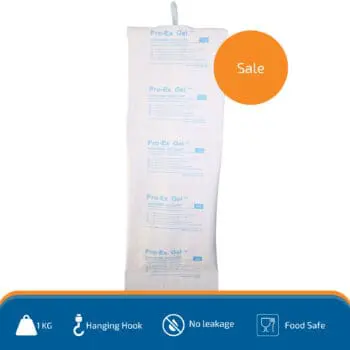
Pro-Ex Gel 1kg Container Shipping Desiccant (8pcs/CTN)
Is gel desiccant better than mineral desiccant for shipping containers?
Gel desiccants can offer significant advantages over mineral desiccants, particularly for shipping containers exposed to high humidity and changing temperatures.
PGel-1kg absorbs up to 300% of its own weight in moisture, compared with up to 70% for our mineral desiccant range.
This means PGel-1kg offers more than four times the maximum moisture absorption capacity per kilogram.
Its higher capacity can mean fewer bags to install, lower labour costs, less handling and less waste to dispose of after shipping.
Mineral desiccants can still be a suitable option depending on the cargo, budget and environmental requirements.
How do I install PGel-1kg desiccants in a shipping container?
PGel-1kg desiccants are quick and easy to install using their convenient hanging hooks.
- Calculate the quantity required: As a general guide, use 4–6 bags for a 20ft container or 8–10 bags for a 40ft container, depending on cargo and shipping conditions.
- Remove the outer packaging: Take each PGel-1kg bag out of its airtight protective packaging immediately before installation. Do not cut or open the inner desiccant bag.
- Hang the desiccants: Use the attached hooks to hang the bags vertically from the upper lashing points along the container's sidewalls.
- Distribute evenly: Space the bags throughout the container to maximise moisture absorption, ensuring they are not covered, crushed or obstructed by cargo.
- Close and seal the container: Once loading and installation are complete, close the doors promptly to minimise exposure to outside humidity.
Pro-Ex Tip: PGel-1kg absorbs up to 300% of its own weight in moisture (up to 3 litres per bag). Its high absorption capacity means fewer bags may be required compared with lower-capacity desiccants, saving installation time and labour costs.
Pro-Ex Gel 500g Container Shipping Desiccant
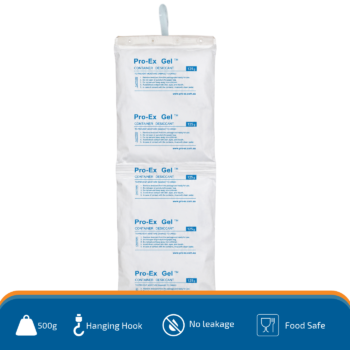
Can Pro-Ex Gel 500g leak or damage my cargo?
Pro-Ex Gel 500g is designed to minimise leakage by transforming absorbed moisture into a gel rather than allowing free liquid to accumulate.
Its durable, moisture-permeable packaging helps retain absorbed moisture inside the bag.
For best results, hang desiccants securely, keep them away from sharp objects and avoid crushing or placing them directly against cargo.
While the gel formulation reduces leakage risks, damaged or punctured bags may still leak.
Is gel desiccant better than mineral desiccant for shipping containers?
Exploring the Gel desiccant benefits can provide insights into its superior moisture management capabilities.
High-performance gel desiccants such as Pro-Ex Gel 500g can offer significant advantages over lower-capacity mineral desiccants.
Pro-Ex Gel 500g absorbs up to 300% of its own weight in moisture, compared with up to 70% for the mineral desiccant in our range.
This means Pro-Ex Gel offers approximately 4.3 times the maximum moisture absorption capacity per kilogram.
Its higher absorption capacity can mean:
- Fewer desiccant bags required per container.
- Reduced installation time and labour costs.
- Less handling and removal at the destination.
- Less material requiring disposal after shipping.
Pro-Ex Gel also converts absorbed moisture into a gel, helping minimise the risk of liquid leakage and cargo damage.
How do I install Pro-Ex Gel 500g desiccants in my shipping container?
Essential Steps for Installing Desiccant Guide
This installing desiccant guide explains how to use Pro-Ex Gel 500g desiccants quickly and easily with their convenient hanging hooks.
- Calculate the quantity required: As a general guide, use 8–12 bags for a 20ft container or 16–20 bags for a 40ft container.
- Remove the outer packaging: Take each desiccant bag out of its airtight protective packaging immediately before installation. Do not cut or open the inner desiccant bag.
- Hang the desiccants: Use the attached hooks to hang the bags vertically from the upper lashing points along the container's sidewalls.
- Distribute evenly: Space the bags throughout the container, ensuring they are not covered, crushed or obstructed by cargo.
- Close and seal the container: Once loading and installation are complete, close the doors promptly to minimise exposure to outside humidity.
Pro-Ex Tip: Each 500g bag absorbs up to 300% of its own weight in moisture (up to 1.5 litres), helping provide effective moisture protection with fewer bags than some lower-capacity alternatives.
How do I prepare my shipping container before installing desiccants?
Proper container preparation helps minimise moisture damage and prevent container rain during shipping. Here's how to prepare for a shipping container.
Before loading your cargo:
- Inspect for leaks: Check the roof, walls, doors and rubber seals for holes, cracks or damage that could allow water to enter.
- Ensure the container is clean and dry: Remove any standing water, condensation, dirt or damp materials.
- Check cargo and pallets: Ensure goods, packaging and wooden pallets are dry, as excess moisture can be released during transit.
- Check ventilation openings: Where appropriate, seal vents to minimise humid outside air entering the container. Always follow cargo and shipping line ventilation requirements.
Pro-Ex Tip: Even a dry container can develop condensation during shipping due to temperature fluctuations. Proper preparation, combined with Pro-Ex Gel 500g desiccants, helps reduce the risk of container rain, mould and moisture damage.
How many Pro-Ex Gel 500g desiccant bags do I need for a 20ft or 40ft shipping container?
The recommended desiccant quantity depends on the container size, cargo type, moisture levels, and shipping conditions.
- 20ft shipping container: 8 bags for dry cargo or up to 12 bags for moisture-sensitive or higher-moisture cargo.
- 40ft shipping container: 16 bags for dry cargo or up to 20 bags for higher-moisture cargo.
- High-humidity shipments: Additional bags may be required depending on the destination and voyage duration.
Each Pro-Ex Gel 500g bag can absorb up to 1.5 litres of moisture, providing powerful moisture protection while potentially reducing the number of bags needed compared with lower-capacity desiccants.
Understanding the desiccant quantity needed is crucial for effective moisture control during shipping.
Pro-Ex Gel 1kg Container Shipping Desiccant
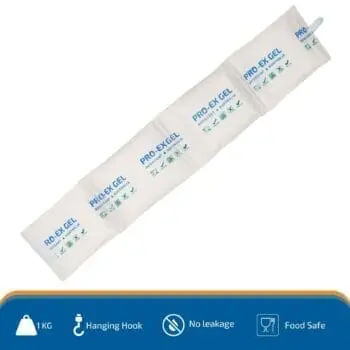
Is gel desiccant better than mineral desiccant for shipping containers?
Gel desiccants can offer significant advantages over mineral desiccants, particularly for shipping containers exposed to high humidity and changing temperatures.
PGel-1kg absorbs up to 300% of its own weight in moisture, compared with up to 70% for our mineral desiccant range.
This means PGel-1kg offers more than four times the maximum moisture absorption capacity per kilogram.
Its higher capacity can mean fewer bags to install, lower labour costs, less handling and less waste to dispose of after shipping.
Mineral desiccants can still be a suitable option depending on the cargo, budget and environmental requirements.
How do I install PGel-1kg desiccants in a shipping container?
PGel-1kg desiccants are quick and easy to install using their convenient hanging hooks.
- Calculate the quantity required: As a general guide, use 4–6 bags for a 20ft container or 8–10 bags for a 40ft container, depending on cargo and shipping conditions.
- Remove the outer packaging: Take each PGel-1kg bag out of its airtight protective packaging immediately before installation. Do not cut or open the inner desiccant bag.
- Hang the desiccants: Use the attached hooks to hang the bags vertically from the upper lashing points along the container's sidewalls.
- Distribute evenly: Space the bags throughout the container to maximise moisture absorption, ensuring they are not covered, crushed or obstructed by cargo.
- Close and seal the container: Once loading and installation are complete, close the doors promptly to minimise exposure to outside humidity.
Pro-Ex Tip: PGel-1kg absorbs up to 300% of its own weight in moisture (up to 3 litres per bag). Its high absorption capacity means fewer bags may be required compared with lower-capacity desiccants, saving installation time and labour costs.
How does Pro-Ex Gel 1kg work?
Pro-Ex Gel 1kg works by:
1.
Absorbing Humidity from the Air
– Capturing excess moisture inside the shipping container, Pro-Ex Gel 1kg absorbs up to 300% of its weight.
2.
Transforming Moisture into Gel
– Converting moisture into a gel to prevent leakage and re-evaporation.
3.
Keeping Cargo Dry
– Providing long-lasting protection throughout the shipping journey, preventing mould, rust, corrosion, and packaging damage caused by condensation.
Why use the Pro-Ex Gel 1kg Hanging Desiccant?
The Pro-Ex Gel 1kg Hanging Desiccant is quick and easy to install, remove, and dispose of. It makes efficient use of space within a container, offers a superior absorption rate, and contains no toxic materials.
How many Pro-Ex Gel 1kg bags do you need in a shipping container?
For a 20ft shipping container, use 4 units for dry cargo or 6 units for wet cargo.
For a 40ft shipping container, use 8 units for dry cargo or 10 units for wet cargo.
For high-humidity shipments, additional Pro-Ex Gel 1kg units may be required for extra protection.
What temperatures can the Pro-Ex Gel 1kg perform at?
The Pro-Ex Gel 1kg Container and Shipping Desiccant can be used in temperatures ranging from -5°C to +90°C.
How many Pro-Ex Gel 1kg bags come packed in a carton?
Each carton contains 10 Pro-Ex Gel 1kg desiccant bags. Every bag is individually packed in an airtight polypropylene bag.
What is the shelf life of the Pro-Ex Gel 1kg?
The Pro-Ex Gel 1kg has a shelf life of 24 months from the date of delivery when stored in a dry, controlled temperature environment.
Can Pro-Ex Gel 1kg leak or damage cargo?
No. Pro-Ex Gel 1kg is designed with a leak-proof system. Once moisture is absorbed, it is converted into a gel, preventing leaks or spills and ensuring cargo remains safe and dry throughout transit.
Pro-Ex Gel 125g Pouch Desiccant
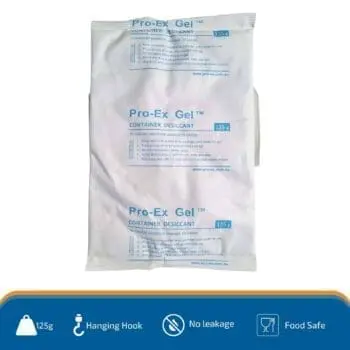
What is the Pro-Ex Gel 125g pouch desiccant used for?
The Pro-Ex Gel 125g pouch is designed to absorb moisture and humidity from the surrounding environment. Pro-Ex Gel 125g is commonly used in shipping containers, storage units, electronics packaging, furniture, textiles, pharmaceuticals, and other moisture-sensitive goods.
How long does the Pro-Ex Gel 125g desiccant remain effective?
In a sealed environment, the Pro-Ex Gel 125g pouch can remain effective for several weeks or months. In open or humid environments, its lifespan will be shorter. Pro-Ex Gel 125g is best used in enclosed or semi-enclosed spaces.
What is inside the Pro-Ex Gel 125g pouch?
Pro-Ex Gel 125g pouches typically contain silica gel, calcium chloride, or a combination with a starch binder, depending on your selected variant. These materials are non-toxic and safe for most applications, though not for ingestion.
Is the Pro-Ex Gel 125g pouch reusable?
Standard Pro-Ex Gel 125g pouches are not reusable. Once saturated, they should be disposed of properly. Protection Experts also offers reusable silica gel desiccants—contact us for details.
How many Pro-Ex Gel 125g pouches do I need?
As a guideline, you need 250g of Pro-Ex Gel desiccant for every cubic metre of space. Adjust quantities based on humidity levels, cargo type, and storage duration.
Absorbag 1.5kg Container Desiccant
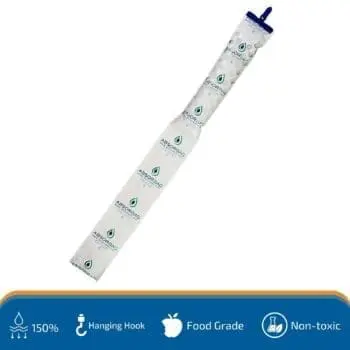
How does an Absorbag 1.5kg Desiccant work?
The Absorbag 1.5kg Desiccant is easy to use and designed to occupy minimal container space while providing maximum functionality. With high performance and a long-lasting absorption rate, the Absorbag 1.5kg offers efficient protection for long shipments. The absorbed moisture gradually dissolves into a brine, which is captured in the lower part of the Absorbag. Once captured, the moisture will not re-evaporate back into the air.
How do I install the Absorbag 1.5kg Desiccant?
To install the Absorbag 1.5kg, attach it to the container lashing ring using the provided Absorhook. It can be used for any type of carton, ensuring at least 10 cm space between the cargo and the Absorbag. For cargo loaded higher than 1.5 metres, install the Absorbag above the cargo. The absorbed moisture is safely contained as brine in the bottom of the bag, preventing leaks.
[See the Absorbag Installation Guide for details.]
What is the absorption capacity of the Absorbag 1.5kg?
The Absorbag 1.5kg has an absorption capacity of up to 150% of its weight.
How many Absorbag 1.5kg units do I need?
The number of Absorbag 1.5kg units depends on container size, shipping duration, cargo moisture content, and length of voyage. As a general guide:
4 to 8 units for a 20ft container, and
8 to 14 units for a 40ft container.
Protection Experts Australia can provide tailored calculations for your cargo and shipping conditions.
How do I dispose of the Absorbag 1.5kg?
The Absorbag 1.5kg is made only from PE/PP plastics and salt, which are non-toxic and recyclable. It is a single-use product and can be disposed of with regular waste. For full instructions, refer to the Absorbag Installation & Disposal Guide.
Is the brine collected in the Absorbag 1.5kg dangerous?
No. The brine is simply calcium chloride, a very salty solution. It is not dangerous, but avoid getting it in your eyes. If contact occurs, rinse thoroughly with water. Always wash hands after handling.
Absorgel 1kg Container Desiccant
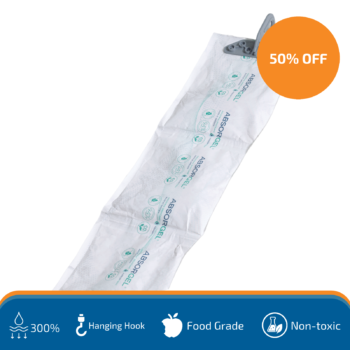
What is Absorgel 1kg used for?
Absorgel 1kg is a container desiccant used to protect goods from moisture damage during shipping and storage. Absorgel 1kg prevents issues like container rain, mould growth, rust, and packaging degradation by absorbing excess humidity inside sealed environments.
What makes Absorgel 1kg carbon neutral?
Absorgel 1kg is part of a sustainably produced moisture protection range. The product’s carbon emissions - across manufacturing, transport, and disposal - are measured and offset through verified carbon credits, making Absorgel 1kg a certified carbon neutral desiccant.
How much moisture can Absorgel 1kg absorb?
Each Absorgel 1kg unit can absorb up to 300% to 350% of its weight in moisture, making Absorgel 1kg highly effective for long-duration shipments or goods traveling through high-humidity climates.
How many Absorgel 1kg units do I need per container?
For a standard 20-foot shipping container, it is recommended to use 3 to 5 Absorgel 1kg units, depending on the type of cargo, climate, and duration of transit.
What types of cargo is Absorgel 1kg suitable for?
Absorgel 1kg is safe and effective for a wide range of cargo including
furniture,
textiles,
machinery
electronics,
food products (non-contact)
automotive parts.
Is Absorgel 1kg safe to use with food products?
Yes. Absorgel 1kg has a food compliance certificate and is safe for use in containers carrying packaged food. The materials are non-toxic and enclosed in a leak-proof design for clean handling.
How long does Absorgel 1kg remain effective?
Absorgel 1kg can remain active for up to 90 days, depending on ambient humidity and container conditions. It continues absorbing moisture until its full capacity is reached.
Where can I buy Absorgel 1kg desiccants in Australia?
You can purchase Absorgel 1kg through Protection Experts Australia, a trusted supplier of container moisture protection and shipping desiccants. Contact Protection Experts Australia for bulk orders or product recommendations.
Esorb Mineral Desiccant 1kg
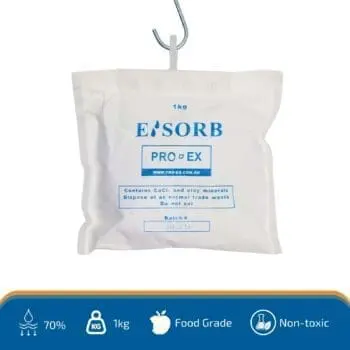
What is the Mineral Desiccant 1kg Hanging (MD) used for?
The 1kg Mineral Desiccant Hanging (MD) is designed for
moisture control
in shipping containers, storage units, and sealed environments. It helps prevent
container rain
, mould, rust, and packaging damage by
absorbing excess humidity
during transit or long-term storage.
What is the active ingredient in the 1kg mineral desiccant?
This desiccant uses natural
activated clay
(bentonite) or
montmorillonite
, offering
environmentally friendly, non-toxic
moisture absorption. Some blends may also include
calcium chloride
for enhanced performance.
How much moisture can the 1kg mineral desiccant absorb?
The MD 2kg desiccant can absorb
up to 70% of its weight
in moisture, making it highly effective for
long-haul shipping
and
humid environments
.
How many 1kg MD desiccants are needed per shipping container?
For a
20-foot container
, 16 units are typically recommended. For a
40-foot container
, 32 units may be required depending on the
cargo type
,
destination climate
, and
transit duration
.
What are the advantages of using a hanging desiccant bag?
•
Saves floor space
• Allows for
even moisture distribution
• Keeps the desiccant
off the cargo
•
Easy to install
using container lashing rings or hooks
Is the 1kg mineral desiccant safe for use with food products?
Yes, MD desiccants are
non-toxic
,
DMF-free
, and
safe for use
around
packaged food
,
pharmaceuticals
,
electronics
,
textiles
, and
machinery
— making them ideal for a wide range of industries.
How long does the 1kg mineral desiccant remain effective?
Depending on
humidity levels
and
exposure time
, the MD 1kg can remain active for up to
90 days
, continuously absorbing moisture and maintaining low humidity inside the container.
Where can I buy the Mineral Desiccant 1kg in Australia?
You can purchase high-quality MD 1kg desiccants from
Protection Experts Australia
, a trusted supplier of
moisture protection
and
desiccant solutions
for shipping and storage.
Bulk pricing
and
freight advice
are available on request.
Esorb Mineral Desiccant 2kg
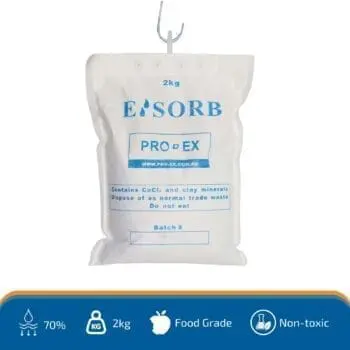
What is the Mineral Desiccant 2kg Hanging (MD) used for?
The 2kg Mineral Desiccant Hanging (MD) is designed for
moisture control
in shipping containers, storage units, and sealed environments. It helps prevent
container rain
, mould, rust, and packaging damage by
absorbing excess humidity
during transit or long-term storage.
What is the active ingredient in the 2kg mineral desiccant?
This desiccant uses natural
activated clay
(bentonite) or
montmorillonite
, offering
environmentally friendly, non-toxic
moisture absorption. Some blends may also include
calcium chloride
for enhanced performance.
How much moisture can the 2kg mineral desiccant absorb?
The MD 2kg desiccant can absorb
up to 70% of its weight
in moisture, making it highly effective for
long-haul shipping
and
humid environments
.
How many 2kg MD desiccants are needed per shipping container?
For a
20-foot container
, 8 units are typically recommended. For a
40-foot container
, 16 units may be required depending on the
cargo type
,
destination climate
, and
transit duration
.
What are the advantages of using a hanging desiccant bag?
•
Saves floor space
• Allows for
even moisture distribution
• Keeps the desiccant
off the cargo
•
Easy to install
using container lashing rings or hooks
Is the 2kg mineral desiccant safe for use with food products?
Yes, MD desiccants are
non-toxic
,
DMF-free
, and
safe for use
around
packaged food
,
pharmaceuticals
,
electronics
,
textiles
, and
machinery
— making them ideal for a wide range of industries.
How long does the 2kg mineral desiccant remain effective?
Depending on
humidity levels
and
exposure time
, the MD 2kg can remain active for up to
90 days
, continuously absorbing moisture and maintaining low humidity inside the container.
Where can I buy the Mineral Desiccant 2kg in Australia?
You can purchase high-quality MD 2kg desiccants from
Protection Experts Australia
, a trusted supplier of
moisture protection
and
desiccant solutions
for shipping and storage.
Bulk pricing
and
freight advice
are available on request.
Dry Pole 1kg Container and Shipping Desiccant
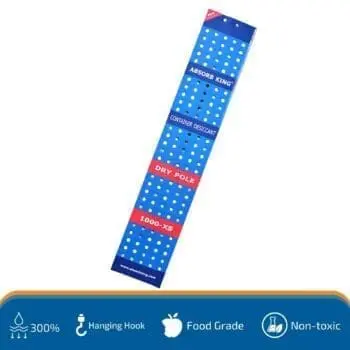
How does a Dry Pole 1kg Desiccant work?
The Dry Pole 1kg Desiccant absorbs excess humidity from the air inside a shipping container, preventing condensation (“container rain”) from forming on cargo surfaces. It transforms moisture into a gel to prevent leaks and spills, and provides long-lasting protection throughout the shipping journey to help prevent mould, mildew, rust, and moisture-related damage during transit. Protection Experts Australia's Dry Pole 1kg uses calcium chloride-based technology, which absorbs up to 300% of its weight in moisture. The captured moisture remains in gel form, eliminating the risk of spills or leaks.
Why use Dry Pole 1kg Desiccants for shipping?
Dry Pole 1kg Desiccants are easy to install by hanging inside the container, saving space and maximising efficiency. They prevent container rain and condensation, reduce humidity inside sealed shipping containers, and protect cargo from mould, mildew, rust, and other moisture damage. With a high absorption capacity of 300%, the Dry Pole 1kg outperforms traditional desiccants and is made from non-toxic materials.
How many Dry Pole 1kg Desiccants do I need per container?
The number of Dry Pole 1kg Desiccants required depends on the container size, transit duration, type of goods, and expected climate conditions. As a general guide, 4 to 6 units are commonly used in a standard 20-foot container. For tailored recommendations, contact Protection Experts Australia.
What types of cargo benefit from using Dry Pole 1kg Desiccants?
Dry Pole 1kg Desiccants are ideal for moisture-sensitive cargo such as furniture, textiles, automotive parts, electronics, food products, and machinery. They are especially useful for long-distance or international shipping.
How long do Dry Pole 1kg Desiccants remain effective?
Depending on conditions, Dry Pole 1kg Desiccants can remain active for up to 90 days, making them suitable for extended storage or long shipping durations.
Are Dry Pole 1kg Desiccants safe to use?
Yes. Dry Pole 1kg Desiccants are made from non-toxic, leak-proof materials when handled correctly. Always follow the manufacturer’s instructions and dispose of them responsibly.
What is the absorption capacity of the Dry Pole 1kg?
The Dry Pole 1kg Desiccant can absorb up to 3 litres of moisture.
What is the packaging of the Dry Pole 1kg made from?
The Dry Pole 1kg packaging is made from Dupont Paper + PET (inside) with a non-woven fabric bag.
At what temperatures can the Dry Pole 1kg be used?
The Dry Pole 1kg can be used in environments ranging from -5°C to +90°C.
How can I dispose of the Dry Pole 1kg?
The Dry Pole 1kg is a single-use product and can be disposed of as regular waste.
Silica Gel
GENERAL FAQ
What is the maximum amount of time Silica gel sachets can be exposed to air before being put into a product?
<!-- wp:paragraph -->
<p>Maximum exposure is 30 minutes; however, it is best to keep sachets exposed to air for as little time as possible</p>
<!-- /wp:paragraph -->
<!-- wp:paragraph -->
<p></p>
<!-- /wp:paragraph -->
Can you eat silica gel?
No. Silica gel is non-toxic but not edible and may cause choking or discomfort.
Where is silica gel used?
Silica gel is commonly used in electronics, food, vitamins, clothing, leather goods, toolboxes, safes, and shipping containers.
How long does it last?
In sealed packs – years. Once exposed, its lifespan depends on humidity and air exposure.
How much do I need?
General guide: 5 g per 1L of air volume. For bulk use (e.g. containers), use desiccants in grams to kilograms.
What’s the difference between white, orange, and blue silica gel?
See type comparison table below.
What is the main difference between Silica Gel and Oxygen Absorber?
The main difference between Silica Gel and Oxygen absorber is their function: • Oxygen Absorbers remove oxygen from sealed packaging to prevent spoilage, oxidation, and mold growth in food and sensitive products. • Silica gel absorbs moisture (humidity) to prevent condensation, mold, and corrosion inside packaging and storage containers. Both are essential for long-term preservation, but they serve different purposes.
Can silica gel be reused after it changes colour?
Yes. Silica gel beads, especially those with indicating colours (e.g. pink to blue), can usually be reactivated and reused 3 to 5 times before their performance starts to decline.
How do I reactivate silica gel?
Silica gel can be reactivated by removing the absorbed moisture using heat.
Microwave
: Place silica gel beads in a microwave-safe container. Use the defrost setting for 7–12 minutes, checking frequently to avoid overheating. Do not use high heat.
Oven
: Spread the beads in a shallow tray and bake at 200–250°F (up to 120°C) for 30 minutes to 2 hours. Do not exceed 125°C.
Colour Check:
Gel is fully reactivated when it returns to its original colour (e.g. deep blue for indicating gels).
Note
: Reactivation can be repeated several times, but performance may decline due to contamination or overheating.
Is silica gel safe to touch or use?
Yes, silica gel is generally non-toxic and safe to handle. It’s a synthetic form of sand designed to absorb moisture. Some indicating gels may contain additives that could cause mild skin irritation, but it is safe for most people.
What happens if silica gel is accidentally ingested?
Humans: Silica gel is chemically inert and non-toxic, but medical advice should be sought, especially for indicator gels or large quantities.
Pets: Contact a veterinarian. Risks include intestinal blockage or exposure to absorbed toxins, particularly if the sachet was used in food or medication packaging.
Do I need to prepare silica gel before use?
No. Silica gel sachets are ready to use straight out of the packaging.
How should I store unused silica gel?
Store silica gel in a sealed, airtight container. Avoid exposing it to open air for more than 15 minutes, as it will begin to absorb moisture and lose effectiveness.
How do I dispose of silica gel?
Silica gel can be disposed of in household rubbish. If it has absorbed hazardous substances, follow the same disposal guidelines as the contaminant.
Where can I buy silica gel?
You can purchase a range of silica gel products directly from our website [insert link], or contact our team for bulk orders and custom solutions.
What is silica gel?
Silica Gel is a porous, granular desiccant made from amorphous silicon dioxide. It adsorbs moisture to protect products from humidity.
How does silica gel work?
Silica Gel adsorbs (not absorbs) moisture onto its surface, keeping environments dry and stable.
Is silica gel safe for use with food?
Yes – food-grade white or orange silica gel is non-toxic. Blue silica gel is not food safe.
Can silica gel be reused?
Yes. Reactivate silica gel by heating at 120°C (250°F) for 1–2 hours to release moisture.
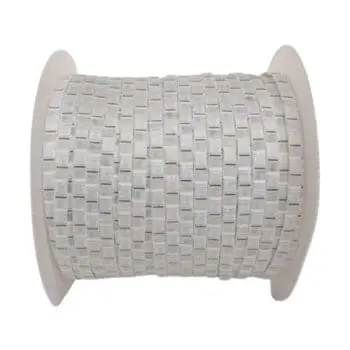
1g Silica Gel Roll – 10,000 Units (2 x 5,000)
What is Silica Gel 1g?
Silica Gel 1g is a non-toxic desiccant used to protect products from humidity and moisture damage. It is made from porous, granular amorphous silicon dioxide, which adsorbs moisture to keep environments dry.
How does Silica Gel 1g work?
Silica Gel 1g adsorbs (not absorbs) moisture onto its surface, effectively reducing humidity levels inside sealed packaging or containers.
Is Silica Gel 1g safe to touch or use?
Yes. Silica Gel 1g is generally non-toxic and safe to handle. It is widely used in food packaging, electronics, pharmaceuticals, and textiles.
What happens if Silica Gel 1g is accidentally ingested?
While Silica Gel 1g is non-toxic, it is not edible and may cause choking or discomfort. Seek medical advice if ingested, especially for children or pets.
Do I need to prepare Silica Gel 1g before use?
No. Silica Gel 1g sachets are ready to use straight out of the packaging.
How should I store unused Silica Gel 1g?
Store Silica Gel 1g sachets in a sealed, airtight container to prevent premature moisture absorption. Avoid leaving them exposed to open air for more than 15 minutes.
How do I dispose of Silica Gel 1g?
Dispose of Silica Gel 1g in household rubbish. If the gel has absorbed hazardous substances, follow the disposal guidelines for that contaminant.
Where can I buy Silica Gel 1g?
You can purchase Silica Gel 1g directly from our website or contact our team for bulk orders and customised solutions.
How long does Silica Gel 1g last?
In sealed packs, Silica Gel 1g can last for years. Once exposed to air, its lifespan depends on humidity and air circulation.
How much Silica Gel 1g do I need?
A general guideline is 5g of silica gel per 1L of air volume. Multiple Silica Gel 1g sachets may be required depending on the size of the space.
Refer to our Silica Gel Calculator.
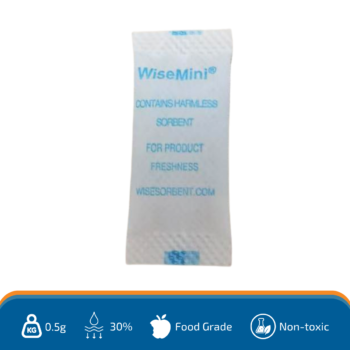
0.5g Silica Gel Desiccant
What is the maximum amount of time Silica gel sachets can be exposed to air before being put into a product?
Maximum exposure is 30 minutes; however, it is best to keep sachets exposed to air for as little time as possible
What is Silica Gel 0.5g?
Silica Gel 0.5g is a small, non-toxic desiccant used to protect products from humidity and moisture damage. It is made from porous, granular amorphous silicon dioxide, which adsorbs moisture to keep environments dry.
How does Silica Gel 0.5g work?
Silica Gel 0.5g adsorbs (not absorbs) moisture onto its surface, effectively reducing humidity levels inside sealed packaging or containers.
Is Silica Gel 0.5g safe to touch or use?
Yes. Silica Gel 0.5g is generally non-toxic and safe to handle. It is widely used in food packaging, electronics, pharmaceuticals, and textiles.
What happens if Silica Gel 0.5g is accidentally ingested?
While Silica Gel 0.5g is non-toxic, it is not edible and may cause choking or discomfort. Seek medical advice if ingested, especially for children or pets.
Do I need to prepare Silica Gel 0.5g before use?
No. Silica Gel 0.5g sachets are ready to use straight out of the packaging.
How should I store unused Silica Gel 0.5g?
Store Silica Gel 0.5g sachets in a sealed, airtight container to prevent premature moisture absorption. Avoid leaving them exposed to open air for more than 15 minutes.
How do I dispose of Silica Gel 0.5g?
Dispose of Silica Gel 0.5g in household rubbish. If the gel has absorbed hazardous substances, follow the disposal guidelines for that contaminant.
Where can I buy Silica Gel 0.5g?
You can purchase Silica Gel 0.5g directly from our website or contact our team for bulk orders and customised solutions.
How long does Silica Gel 0.5g last?
In sealed packs, Silica Gel 0.5g can last for years. Once exposed to air, its lifespan depends on humidity and air circulation.
How much Silica Gel 0.5g do I need?
A general guideline is 5g of silica gel per 1L of air volume. Multiple Silica Gel 0.5g sachets may be required depending on the size of the space.
Refer to our Silica Gel Calculator.
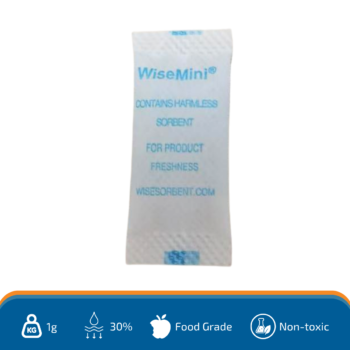
1g Silica Gel Desiccant Packet
What is the maximum amount of time Silica gel sachets can be exposed to air before being put into a product?
Maximum exposure is 30 minutes; however, it is best to keep sachets exposed to air for as little time as possible
What is Silica Gel 1g?
Silica Gel 1g is a non-toxic desiccant used to protect products from humidity and moisture damage. It is made from porous, granular amorphous silicon dioxide, which adsorbs moisture to keep environments dry.
How does Silica Gel 1g work?
Silica Gel 1g adsorbs (not absorbs) moisture onto its surface, effectively reducing humidity levels inside sealed packaging or containers.
Is Silica Gel 1g safe to touch or use?
Yes. Silica Gel 1g is generally non-toxic and safe to handle. It is widely used in food packaging, electronics, pharmaceuticals, and textiles.
What happens if Silica Gel 1g is accidentally ingested?
While Silica Gel 1g is non-toxic, it is not edible and may cause choking or discomfort. Seek medical advice if ingested, especially for children or pets.
Do I need to prepare Silica Gel 1g before use?
No. Silica Gel 1g sachets are ready to use straight out of the packaging.
How should I store unused Silica Gel 1g?
Store Silica Gel 1g sachets in a sealed, airtight container to prevent premature moisture absorption. Avoid leaving them exposed to open air for more than 15 minutes.
How do I dispose of Silica Gel 1g?
Dispose of Silica Gel 1g in household rubbish. If the gel has absorbed hazardous substances, follow the disposal guidelines for that contaminant.
Where can I buy Silica Gel 1g?
You can purchase Silica Gel 1g directly from our website or contact our team for bulk orders and customised solutions.
How long does Silica Gel 1g last?
In sealed packs, Silica Gel 1g can last for years. Once exposed to air, its lifespan depends on humidity and air circulation.
How much Silica Gel 1g do I need?
A general guideline is 5g of silica gel per 1L of air volume. Multiple Silica Gel 1g sachets may be required depending on the size of the space.
Refer to our Silica Gel Calculator.
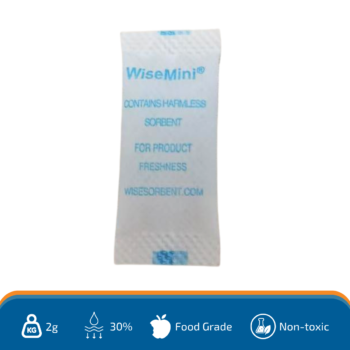
2g Silica Gel Desiccant
What is the maximum amount of time Silica gel sachets can be exposed to air before being put into a product?
Maximum exposure is 30 minutes; however, it is best to keep sachets exposed to air for as little time as possible
How do I dispose of Silica Gel 2g?
Dispose of Silica Gel 2g in household rubbish. If the gel has absorbed hazardous substances, follow the disposal guidelines for that contaminant.
Where can I buy Silica Gel 2g?
You can purchase Silica Gel 2g directly from our website or contact our team for bulk orders and customised solutions.
How long does Silica Gel 2g last?
In sealed packs, Silica Gel 2g can last for years. Once exposed to air, its lifespan depends on humidity and air circulation.
How much Silica Gel 2g do I need?
A general guideline is 5g of silica gel per 1L of air volume. Multiple Silica Gel 2g sachets may be required depending on the size of the space.
Refer to our Silica Gel Calculator.
What is Silica Gel 2g?
Silica Gel 2g is a non-toxic desiccant used to protect products from humidity and moisture damage. It is made from porous, granular amorphous silicon dioxide, which adsorbs moisture to keep environments dry.
How does Silica Gel 2g work?
Silica Gel 2g adsorbs (not absorbs) moisture onto its surface, effectively reducing humidity levels inside sealed packaging or containers.
Is Silica Gel 2g safe to touch or use?
Yes. Silica Gel 2g is generally non-toxic and safe to handle. It is widely used in food packaging, electronics, pharmaceuticals, and textiles.
What happens if Silica Gel 2g is accidentally ingested?
While Silica Gel 2g is non-toxic, it is not edible and may cause choking or discomfort. Seek medical advice if ingested, especially for children or pets.
Do I need to prepare Silica Gel 2g before use?
No. Silica Gel 2g sachets are ready to use straight out of the packaging.
How should I store unused Silica Gel 2g?
Store Silica Gel 2g sachets in a sealed, airtight container to prevent premature moisture absorption. Avoid leaving them exposed to open air for more than 15 minutes.
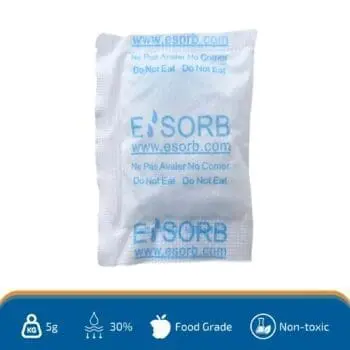
5g Silica Gel Desiccant
What is the maximum amount of time Silica gel sachets can be exposed to air before being put into a product?
Maximum exposure is 30 minutes; however, it is best to keep sachets exposed to air for as little time as possible
What is Silica Gel 5g?
Silica Gel 5g is a non-toxic desiccant used to protect products from humidity and moisture damage. It is made from porous, granular amorphous silicon dioxide, which adsorbs moisture to keep environments dry.
How does Silica Gel 5g work?
Silica Gel 5g adsorbs (not absorbs) moisture onto its surface, effectively reducing humidity levels inside sealed packaging or containers.
Is Silica Gel 5g safe to touch or use?
Yes. Silica Gel 5g is generally non-toxic and safe to handle. It is widely used in food packaging, electronics, pharmaceuticals, and textiles.
What happens if Silica Gel 5g is accidentally ingested?
While Silica Gel 5g is non-toxic, it is not edible and may cause choking or discomfort. Seek medical advice if ingested, especially for children or pets.
Do I need to prepare Silica Gel 5g before use?
No. Silica Gel 5g sachets are ready to use straight out of the packaging.
How should I store unused Silica Gel 5g?
Store Silica Gel 5g sachets in a sealed, airtight container to prevent premature moisture absorption. Avoid leaving them exposed to open air for more than 15 minutes.
How do I dispose of Silica Gel 5g?
Dispose of Silica Gel 5g in household rubbish. If the gel has absorbed hazardous substances, follow the disposal guidelines for that contaminant.
Where can I buy Silica Gel 5g?
You can purchase Silica Gel 5g directly from our website or contact our team for bulk orders and customised solutions.
How long does Silica Gel 5g last?
In sealed packs, Silica Gel 5g can last for years. Once exposed to air, its lifespan depends on humidity and air circulation.
How much Silica Gel 5g do I need?
A general guideline is 5g of silica gel per 1L of air volume. Multiple Silica Gel 5g sachets may be required depending on the size of the space.
Refer to our Silica Gel Calculator.
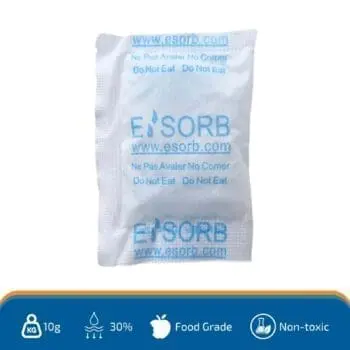
10g Silica Gel Desiccant
What is the maximum amount of time Silica gel sachets can be exposed to air before being put into a product?
Maximum exposure is 30 minutes; however, it is best to keep sachets exposed to air for as little time as possible
What is Silica Gel 10g?
Silica Gel 10g is a non-toxic desiccant used to protect products from humidity and moisture damage. It is made from porous, granular amorphous silicon dioxide, which adsorbs moisture to keep environments dry.
How does Silica Gel 10g work?
Silica Gel 10g adsorbs (not absorbs) moisture onto its surface, effectively reducing humidity levels inside sealed packaging or containers.
Is Silica Gel 10g safe to touch or use?
Yes. Silica Gel 10g is generally non-toxic and safe to handle. It is widely used in food packaging, electronics, pharmaceuticals, and textiles.
What happens if Silica Gel 10g is accidentally ingested?
While Silica Gel 10g is non-toxic, it is not edible and may cause choking or discomfort. Seek medical advice if ingested, especially for children or pets.
Do I need to prepare Silica Gel 10g before use?
No. Silica Gel 10g sachets are ready to use straight out of the packaging.
How should I store unused Silica Gel 10g?
Store Silica Gel 10g sachets in a sealed, airtight container to prevent premature moisture absorption. Avoid leaving them exposed to open air for more than 15 minutes.
How do I dispose of Silica Gel 10g?
Dispose of Silica Gel 10g in household rubbish. If the gel has absorbed hazardous substances, follow the disposal guidelines for that contaminant.
Where can I buy Silica Gel 10g?
You can purchase Silica Gel 10g directly from our website or contact our team for bulk orders and customised solutions.
How long does Silica Gel 10g last?
In sealed packs, Silica Gel 10g can last for years. Once exposed to air, its lifespan depends on humidity and air circulation.
How much Silica Gel 10g do I need?
A general guideline is 5g of silica gel per 1L of air volume. Multiple Silica Gel 10g sachets may be required depending on the size of the space.
Refer to our Silica Gel Calculator.
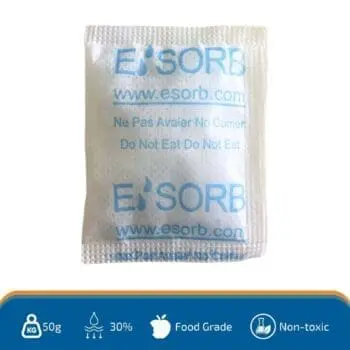
50g Silica Gel Desiccant
What is the maximum amount of time Silica gel sachets can be exposed to air before being put into a product?
Maximum exposure is 30 minutes; however, it is best to keep sachets exposed to air for as little time as possible
What is Silica Gel 50g?
Silica Gel 50g is a non-toxic desiccant used to protect products from humidity and moisture damage. It is made from porous, granular amorphous silicon dioxide, which adsorbs moisture to keep environments dry.
How does Silica Gel 50g work?
Silica Gel 50g adsorbs (not absorbs) moisture onto its surface, effectively reducing humidity levels inside sealed packaging or containers.
Is Silica Gel 50g safe to touch or use?
Yes. Silica Gel 50g is generally non-toxic and safe to handle. It is widely used in food packaging, electronics, pharmaceuticals, and textiles.
What happens if Silica Gel 50g is accidentally ingested?
While Silica Gel 50g is non-toxic, it is not edible and may cause choking or discomfort. Seek medical advice if ingested, especially for children or pets.
Do I need to prepare Silica Gel 50g before use?
No. Silica Gel 50g sachets are ready to use straight out of the packaging.
How should I store unused Silica Gel 50g?
Store Silica Gel 50g sachets in a sealed, airtight container to prevent premature moisture absorption. Avoid leaving them exposed to open air for more than 15 minutes.
How do I dispose of Silica Gel 50g?
Dispose of Silica Gel 50g in household rubbish. If the gel has absorbed hazardous substances, follow the disposal guidelines for that contaminant.
Where can I buy Silica Gel 50g?
You can purchase Silica Gel 50g directly from our website or contact our team for bulk orders and customised solutions.
How long does Silica Gel 50g last?
In sealed packs, Silica Gel 50g can last for years. Once exposed to air, its lifespan depends on humidity and air circulation.
How much Silica Gel 50g do I need?
A general guideline is 5g of silica gel per 1L of air volume. Multiple Silica Gel 50g sachets may be required depending on the size of the space.
Refer to our Silica Gel Calculator.
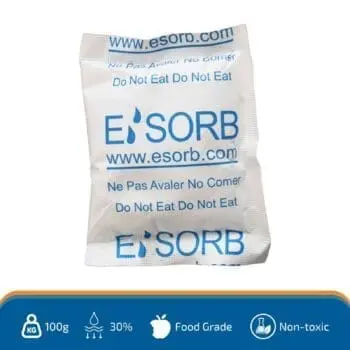
100g Silica Gel Desiccant
What is the maximum amount of time Silica gel sachets can be exposed to air before being put into a product?
Maximum exposure is 30 minutes; however, it is best to keep sachets exposed to air for as little time as possible
What is Silica Gel 100g?
Silica Gel 100g is a non-toxic desiccant used to protect products from humidity and moisture damage. It is made from porous, granular amorphous silicon dioxide, which adsorbs moisture to keep environments dry.
How does Silica Gel 100g work?
Silica Gel 100g adsorbs (not absorbs) moisture onto its surface, effectively reducing humidity levels inside sealed packaging or containers.
Is Silica Gel 100g safe to touch or use?
Yes. Silica Gel 100g is generally non-toxic and safe to handle. It is widely used in food packaging, electronics, pharmaceuticals, and textiles.
What happens if Silica Gel 100g is accidentally ingested?
While Silica Gel 100g is non-toxic, it is not edible and may cause choking or discomfort. Seek medical advice if ingested, especially for children or pets.
Do I need to prepare Silica Gel 100g before use?
No. Silica Gel 100g sachets are ready to use straight out of the packaging.
How should I store unused Silica Gel 100g?
Store Silica Gel 100g sachets in a sealed, airtight container to prevent premature moisture absorption. Avoid leaving them exposed to open air for more than 15 minutes.
How do I dispose of Silica Gel 100g?
Dispose of Silica Gel 100g in household rubbish. If the gel has absorbed hazardous substances, follow the disposal guidelines for that contaminant.
Where can I buy Silica Gel 100g?
You can purchase Silica Gel 100g directly from our website or contact our team for bulk orders and customised solutions.
How long does Silica Gel 100g last?
In sealed packs, Silica Gel 100g can last for years. Once exposed to air, its lifespan depends on humidity and air circulation.
How much Silica Gel 100g do I need?
A general guideline is 5g of silica gel per 1L of air volume. Multiple Silica Gel 100g sachets may be required depending on the size of the space.
Refer to our Silica Gel Calculator.
500g Silica Gel Desiccant
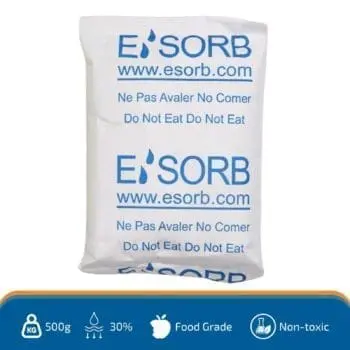
What is the maximum amount of time Silica gel sachets can be exposed to air before being put into a product?
Maximum exposure is 30 minutes; however, it is best to keep sachets exposed to air for as little time as possible
What is Silica Gel 500g?
Silica Gel 500g is a non-toxic desiccant used to protect products from humidity and moisture damage. It is made from porous, granular amorphous silicon dioxide, which adsorbs moisture to keep environments dry.
How does Silica Gel 500g work?
Silica Gel 500g adsorbs (not absorbs) moisture onto its surface, effectively reducing humidity levels inside sealed packaging or containers.
Is Silica Gel 500g safe to touch or use?
Yes. Silica Gel 500g is generally non-toxic and safe to handle. It is widely used in food packaging, electronics, pharmaceuticals, and textiles.
What happens if Silica Gel 500g is accidentally ingested?
While Silica Gel 500g is non-toxic, it is not edible and may cause choking or discomfort. Seek medical advice if ingested, especially for children or pets.
Do I need to prepare Silica Gel 500g before use?
No. Silica Gel 500g sachets are ready to use straight out of the packaging.
How should I store unused Silica Gel 500g?
Store Silica Gel 500g sachets in a sealed, airtight container to prevent premature moisture absorption. Avoid leaving them exposed to open air for more than 15 minutes.
How do I dispose of Silica Gel 500g?
Dispose of Silica Gel 500g in household rubbish. If the gel has absorbed hazardous substances, follow the disposal guidelines for that contaminant.
Where can I buy Silica Gel 500g?
You can purchase Silica Gel 500g directly from our website or contact our team for bulk orders and customised solutions.
How long does Silica Gel 500g last?
In sealed packs, Silica Gel 500g can last for years. Once exposed to air, its lifespan depends on humidity and air circulation.
How much Silica Gel 500g do I need?
A general guideline is 5g of silica gel per 1L of air volume. Multiple Silica Gel 500g sachets may be required depending on the size of the space.
Refer to our Silica Gel Calculator.
Indicating Silica Gel (600g)
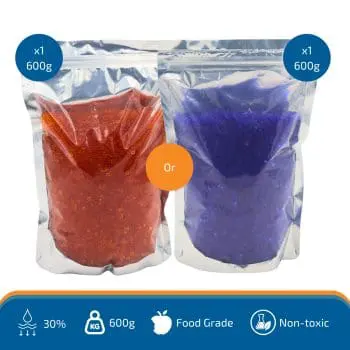
What is Indicating Silica Gel 600g used for?
Indicating Silica Gel 600g is designed to adsorb moisture in closed spaces such as storage containers, toolboxes, and transformer breathers. It is suitable for protecting electronics, documents, and humidity-sensitive products.
What is the bead size of Indicating Silica Gel 600g?
Indicating Silica Gel 600g contains beads sized between 2mm and 5mm, providing efficient moisture adsorption.
Is Indicating Silica Gel 600g compatible with transformer breathers?
Yes. Indicating Silica Gel 600g is compatible with R Transformer Breathers.
How much moisture can Indicating Silica Gel 600g absorb?
Indicating Silica Gel 600g can adsorb up to 30% of its own weight in water vapour.
How do I reactivate Indicating Silica Gel 600g?
You can reactivate Indicating Silica Gel 600g by placing it in a fan-forced oven for 5 hours at 110°C. The beads will return to their original colour. This process can be repeated up to 3 times.
How do I dispose of Indicating Silica Gel 600g beads?
If used for standard moisture absorption, Indicating Silica Gel 600g beads can be disposed of in regular household rubbish. If used for gas separation, they must be taken to an authorised waste disposal facility, where a fee may apply.
Indicating Silica Gel (1.2kg)
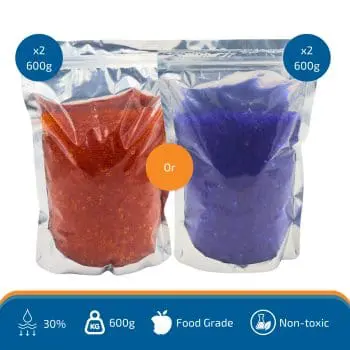
What is Indicating Silica Gel 1.2kg used for?
Indicating Silica Gel 1.2kg is ideal for protecting larger enclosed spaces and equipment from moisture damage, including electronics, tools, and transformer breathers.
What is the bead size of Indicating Silica Gel 1.2kg?
Indicating Silica Gel 1.2kg contains beads sized between 2mm and 5mm.
Is Indicating Silica Gel 1.2kg compatible with transformer breathers?
Yes. Indicating Silica Gel 1.2kg is compatible with R1 Transformer Breathers.
How much moisture can Indicating Silica Gel 1.2kg absorb?
Indicating Silica Gel 1.2kg can adsorb up to 30% of its own weight in water vapour.
How do I reactivate Indicating Silica Gel 1.2kg?
Reactivate Indicating Silica Gel 1.2kg by placing it in a fan-forced oven for 5 hours at 110°C until the beads return to their original colour. This process can be repeated up to 3 times.
How do I dispose of Indicating Silica Gel 1.2kg beads?
If used for moisture absorption, dispose of Indicating Silica Gel 1.2kg beads in household rubbish. If used for gas separation, they must be taken to an authorised waste facility.
5L Indicating Silica Gel Loose Beads
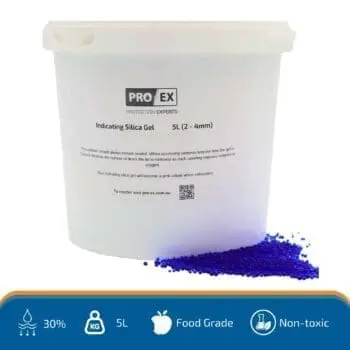
What is Indicating Silica Gel 5L used for?
Indicating Silica Gel 5L is intended for bulk applications such as industrial packaging, equipment storage, and cargo protection where higher volumes of desiccant are required.
What is the bead size of Indicating Silica Gel 5L?
Indicating Silica Gel 5L contains beads sized between 2mm and 4mm.
How much moisture can Indicating Silica Gel 5L absorb?
Indicating Silica Gel 5L can adsorb up to 30% of its own weight in water vapour.
How do I reactivate Indicating Silica Gel 5L?
To reactivate Indicating Silica Gel 5L, place the beads in a fan-forced oven for 5 hours at 110°C. This can be repeated up to 3 times before performance declines.
How do I dispose of Indicating Silica Gel 5L beads?
If used for standard moisture absorption, Indicating Silica Gel 5L beads can be disposed of in regular household waste. If used for gas separation, they must be taken to an authorised disposal facility.
10L Indicating Silica Gel Loose Beads
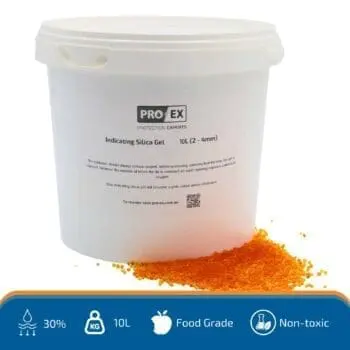
What is Indicating Silica Gel 10L used for?
Indicating Silica Gel 10L is used for large-scale storage and packaging applications, providing moisture control for industrial, commercial, and preservation purposes.
What is the bead size of Indicating Silica Gel 10L?
Indicating Silica Gel 10L contains beads sized between 2mm and 4mm.
How much moisture can Indicating Silica Gel 10L absorb?
Indicating Silica Gel 10L can adsorb up to 30% of its own weight in water vapour.
How do I reactivate Indicating Silica Gel 10L?
Indicating Silica Gel 10L can be reactivated by placing it in a fan-forced oven for 5 hours at 110°C. The beads will return to their original colour, and this can be repeated up to 3 times.
How do I dispose of Indicating Silica Gel 10L beads?
If used for moisture absorption, dispose of Indicating Silica Gel 10L beads in normal household waste. If used for gas separation, they require disposal at an authorised facility.
25kg Indicating Silica Gel Drum
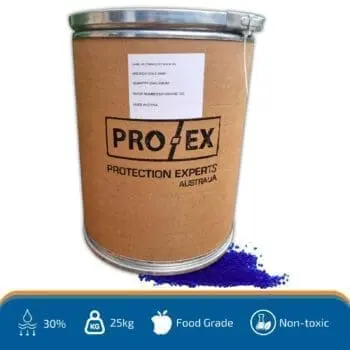
What is Indicating Silica Gel 25kg used for?
Indicating Silica Gel 25kg is designed for industrial and bulk moisture protection, suitable for long-term storage, preservation, and large equipment packaging.
What is the bead size of Indicating Silica Gel 25kg?
Indicating Silica Gel 25kg contains beads sized between 2mm and 4mm.
How much moisture can Indicating Silica Gel 25kg absorb?
Indicating Silica Gel 25kg can adsorb up to 30% of its own weight in water vapour.
How do I reactivate Indicating Silica Gel 25kg?
Indicating Silica Gel 25kg can be reactivated by heating it in a fan-forced oven at 110°C for 5 hours until the beads return to their original colour. This process can be repeated up to 3 times.
How do I dispose of Indicating Silica Gel 25kg beads?
For normal moisture adsorption, Indicating Silica Gel 25kg beads can be disposed of in household rubbish. If used in gas separation, they must be taken to an authorised waste facility.
Indicating Silica Gel Pouch (500g) Blue
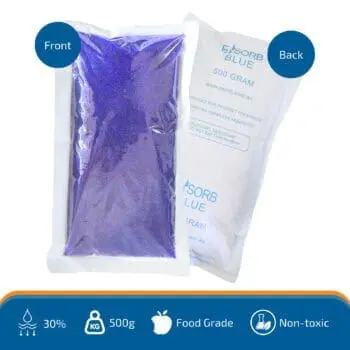
How much moisture can Indicating Silica Gel 500g absorb?
Indicating Silica Gel 500g can adsorb up to 30% of its own weight in water vapour.
What is Indicating Silica Gel 500g used for?
Indicating Silica Gel 500g is designed to adsorb moisture in closed spaces such as storage containers, toolboxes, and transformer breathers. It is suitable for protecting electronics, documents, and humidity-sensitive products.
How do I dispose of Indicating Silica Gel 500g beads?
If used for standard moisture absorption, Indicating Silica Gel 500g beads can be disposed of in regular household rubbish. If used for gas separation, they must be taken to an authorised waste disposal facility, where a fee may apply.
Can indicating silica gel show when replacement is needed?
Yes, it changes from orange to green or blue to pink upon moisture saturation for real-time monitoring
Indicating Silica Gel Pouch (500g) Orange
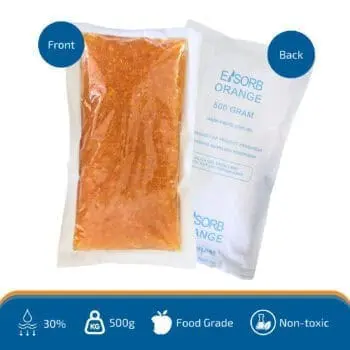
How much moisture can Indicating Silica Gel 500g absorb?
Indicating Silica Gel 500g can adsorb up to 30% of its own weight in water vapour.
What is Indicating Silica Gel 500g used for?
Indicating Silica Gel 500g is designed to adsorb moisture in closed spaces such as storage containers, toolboxes, and transformer breathers. It is suitable for protecting electronics, documents, and humidity-sensitive products.
How do I dispose of Indicating Silica Gel 500g beads?
If used for standard moisture absorption, Indicating Silica Gel 500g beads can be disposed of in regular household rubbish. If used for gas separation, they must be taken to an authorised waste disposal facility, where a fee may apply.
Can indicating silica gel show when replacement is needed?
Yes, it changes from orange to green or blue to pink upon moisture saturation for real-time monitoring
Oxygen Absorbers
GENERAL FAQ
Does moisture affect how an oxygen absorber works?
<!-- wp:paragraph -->
<p>Yes. Moisture is an important part of the oxygen absorption process, as oxygen absorbers require moisture to activate and react effectively.</p>
<!-- /wp:paragraph -->
<!-- wp:paragraph -->
<p>For food products with a moisture content above 10%, the moisture level is generally not a concern for the operation of the oxygen absorber. The absorber can use available moisture within the package to support the reaction.</p>
<!-- /wp:paragraph -->
<!-- wp:paragraph -->
<p>During this process, the oxygen absorber may absorb some moisture from the surrounding package environment while removing oxygen. A small amount of heat may also be generated, which is a normal part of the oxygen absorption reaction.</p>
<!-- /wp:paragraph -->
Which is better for preserving beef jerky: Oxygen Absorbers or silica gel?
For beef jerky and dried meats, Oxygen Absorbers are the best choice because they: • Remove oxygen, preventing bacteria, mold, and spoilage. • Extend shelf life by slowing oxidation and fat rancidity. • Keep jerky fresh without affecting texture or taste.
Are Oxygen Absorbers safe for food storage?
Yes. Oxygen Absorbers are FDA-approved and safe for indirect food contact. However: • Do not open or eat the contents of an Oxygen Absorber packet. • Do not use Oxygen Absorbers in moist or wet foods (they are for dry food storage only). • Oxygen Absorbers are safe for grains, rice, beans, coffee, powdered milk, and dehydrated foods.
What happens if I use too many Oxygen Absorbers?
Using extra Oxygen Absorbers does not harm food but may: • Create a stronger vacuum effect in flexible packaging. • Make bags feel tighter than usual. It’s better to slightly overuse than to underuse, as any remaining oxygen can lead to spoilage.
Do Oxygen Absorbers make packages airtight or vacuum-sealed?
No. Oxygen Absorbers remove oxygen, but they do not remove nitrogen or other gases. This means: • Packages may not shrink like vacuum-sealed bags but are still protected. • The contents inside are preserved by the absence of oxygen, preventing spoilage. • If properly sealed, the packaging should feel slightly compressed after some time.
What does the expiry date mean on my Oxygen Absorber?
The expiry date indicates when Oxygen Absorbers should be used for optimal results, typically within 18 months of production. They remain effective until opened, at which point oxidation begins. Proper storage—sealed, away from heat and sunlight—ensures longevity. If partially used, reseal in a vacuum bag and use within six months. Click here to view a statement from our supplier.
Where can I buy high-quality Oxygen Absorbers?
For premium Oxygen Absorbers that ensure long-term food preservation, Protection Experts Australia offers: • Different sizes for various food storage needs. • High-quality, non-toxic Oxygen Absorbers for safe use. • Bulk purchasing options for home storage and businesses.
Order Oxygen Absorbers Today!
📞 Need expert advice on Oxygen Absorbers? Contact Protection Experts Australia for the best solutions in food storage and moisture protection.
Once placed in position, how long does an Oxygen Absorber continue to work?
Oxygen Absorbers once exposed to oxygen will immediately start to oxidise, capturing the surrounding oxygen. This activation period can last between 4 hours to 24 hours. Once the absorber has completely oxidised, the absorber is no longer working. This might sound like a problem, however bear in mind that the role of the absorber is to remove oxygen within your sealed package. Should that package remain sealed, then the conditions within the package will remain oxygen-free. Re-open a package and you will be exposing the contents to oxygen. In this case, the original absorbers should be discarded and replaced with new oxygen absorbers. There are a couple of variables to consider: • How permeable is your packaging? A high barrier packaging solution such as mylar will ensure that oxygen does not pass through to package contents. The lower the permeability of the packaging material (e.g. paper bag), the more often oxygen absorbers will need to be replaced. • Oxygen absorbers once fully loaded or ‘spoiled’ no longer have the capacity to absorb additional oxygen. It’s important to therefore make sure that you ‘round up’ when calculating your oxygen absorber needs. Underestimating your oxygen absorber needs will leave a portion of oxygen within your package causing contents to deteriorate faster over time.
How does an Oxygen Absorber work?
Oxygen Absorbers trigger an oxidation reaction when exposed to air, causing the iron powder inside to rust and trap oxygen. They function like sponges but for oxygen instead of moisture. Once full, they must be replaced to maintain an oxygen-free environment. Unlike desiccants, which absorb moisture, Oxygen Absorbers specifically remove oxygen.
What is an Oxygen Absorber?
Oxygen Absorbers (or scavengers) are small packets containing iron powder and other ingredients that react with oxygen to form iron oxide, effectively removing oxygen at a molecular level. Available in various sizes, they absorb oxygen until full. By eliminating oxygen, they extend food shelf life, preventing spoilage, mold growth, and oxidation—ideal for storing grains, dried fruits, meats, and dehydrated foods.
Why should I use Oxygen Absorbers in food storage?
Oxygen Absorbers help preserve food by: • Preventing mold and bacterial growth by removing oxygen. • Extending the shelf life of dried foods, grains, and powders. • Maintaining freshness, flavor, and texture by preventing oxidation. • Protecting against insect infestations (bugs cannot survive without oxygen). Using Oxygen Absorbers in Mylar bags, mason jars, and vacuum-sealed containers ensures long-term food storage safety.
What is the main difference between an Oxygen Absorber and silica gel?
The main difference between Oxygen Absorbers and silica gel is their function: • Oxygen Absorbers remove oxygen from sealed packaging to prevent spoilage, oxidation, and mold growth in food and sensitive products. • Silica gel absorbs moisture (humidity) to prevent condensation, mold, and corrosion inside packaging and storage containers. Both are essential for long-term preservation, but they serve different purposes.
30cc Oxygen Absorber
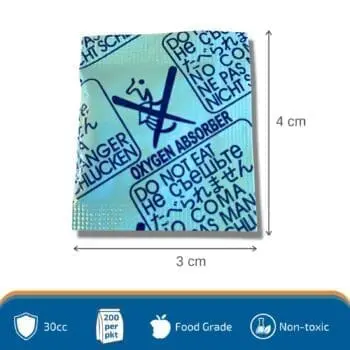
Can I use oxygen absorbers when sealing a warm product (30°C–60°C)?
Yes. Oxygen absorbers can be used when sealing products at temperatures between 30°C and 60°C.
Does moisture affect how an oxygen absorber works?
Yes. Moisture is an important part of the oxygen absorption process, as oxygen absorbers require moisture to activate and react effectively.
For food products with a moisture content above 10%, the moisture level is generally not a concern for the operation of the oxygen absorber. The absorber can use available moisture within the package to support the reaction.
During this process, the oxygen absorber may absorb some moisture from the surrounding package environment while removing oxygen. A small amount of heat may also be generated, which is a normal part of the oxygen absorption reaction.
What are 30cc Oxygen Absorbers used for?
30cc Oxygen Absorbers are used in sealed packaging to: • Extend shelf life of dried foods, powders, and snacks. • Prevent mold and bacterial growth by removing oxygen. • Preserve beef jerky, dried meats, and protein powders. • Protect grains, dehydrated fruits, and flour from spoilage. • Stop oxidation in pharmaceuticals and electronics. They work best in airtight containers like Mylar bags, vacuum-sealed bags, and food storage jars.
How many 30cc Oxygen Absorbers should I use?
The factors to consider when calculating how many 30cc Oxygen Absorbers you require are: • The volume of the sealed package • The volume occupied by the food product. The 30cc Oxygen Absorber calculation isolates the volume of the food packaging void – sealed package volume less food weight – multiplied by 20%. The factor of 20% reflects that our atmosphere comprises 20% oxygen and 80% nitrogen. For those who like the numbers, the formula is:
(Sealed package volume – food volume) × 20%
. And for those who prefer a shortcut (who doesn’t),
check out our online Oxygen Absorber Calculator to find out how many you will need at the click of a button.
How do I know if my 30cc Oxygen Absorber is working?
A new 30cc Oxygen Absorber will have a loose powdered feel when pinched. It should feel free of clumps and may feel warm (a by-product of the absorber working in a moist environment). Spent (or expired) 30cc Oxygen Absorbers can feel hard or crunchy.
How long does it take for 30cc Oxygen Absorbers to work?
30cc Oxygen Absorbers, once exposed to the atmosphere, begin to get to work immediately. That is why we suggest that unused 30cc Oxygen Absorbers should be resealed within 30 minutes to ensure the integrity of the product is maintained.
How can I be assured that the 30cc Oxygen Absorbers I received are new and ready to use?
We understand that Protection Experts Australia customers should feel confident they are receiving the best quality products. The unopened 30cc Oxygen Absorber bag might feel hard, but that is due to the vacuum seal as they are all clumped together. Once the bag is opened, the sachets will separate and should feel like the container sand/granules. All our 30cc Oxygen Absorbers are packaged with a quality check, called the ‘eye’. The indicating eye is packaged with the 30cc Oxygen Absorbers and will appear pink, showing that the package is sealed and oxygen-free. Should the eye appear purple, this indicates that oxygen has penetrated the packaging through possibly a puncture or poor seal and the 30cc Oxygen Absorbers have been compromised. In this instance, we ask that you contact our office immediately so that the problem can be rectified.
[EXTRACT OBJECT]
I don’t need to use them all, how can I store my 30cc Oxygen Absorbers so they last?
Store 30cc Oxygen Absorbers at room temperature (5°C to 30°C), away from direct sunlight. They should be stored in their sealed package or a glass jar with a gasketed lid. Select the smallest glass jar possible to minimise the oxygen the absorbers will remove from the jar. 30cc Oxygen Absorbers in a well-sealed container will cause the lid to pop down. The shelf life of a 30cc Oxygen Absorber is up to 18 months.
How long will it take a 30cc Oxygen Absorber to remove all the oxygen from my sealed bag/container?
How quickly 30cc Oxygen Absorbers remove oxygen from the atmosphere will depend on the conditions. In dryer climates, it may take up to a week for 30cc Oxygen Absorbers to fully activate. Warmer, humid climates however accelerate the process and may take only 48 hours for the same result.
I’m using 30cc Oxygen Absorbers, why aren’t my bags getting hard?
30cc Oxygen Absorbers trap oxygen. Given that air comprises 20% oxygen and 80% nitrogen, the absorber will only be removing the 20% of the atmosphere that is oxygen. The volume of nitrogen remaining will mean your bag will not deflate to the extent of the bag becoming hard or rigid.
If I use vacuum packaging or nitrogen flushing to package my goods, do I still need to use 30cc Oxygen Absorbers?
Both these methods are used to remove the oxygen content from a package. Vacuum packaging achieves this by sucking out all air and then sealing the package. Nitrogen flushing forces the heavier nitrogen gas into packaging, pushing out the oxygen content. In both instances, some oxygen remains. It is estimated that when these methods are used there can be 2–3% of oxygen remaining. 30cc Oxygen Absorbers can then be used to capture the residual oxygen present.
I need to freeze my product. How will that affect the effectiveness of my 30cc Oxygen Absorbers?
30cc Oxygen Absorbers more rapidly capture oxygen at room temperature. Under normal room conditions (20°C), packages will be oxygen-free within 24 hours. At a temperature of 6°C, packages will be oxygen-free within 48 hours. In 0°C to 4°C conditions, packages will be oxygen-free within 72 hours. Given the content moisture levels can differ widely, we suggest customers test for their own unique circumstances.
50cc Oxygen Absorber
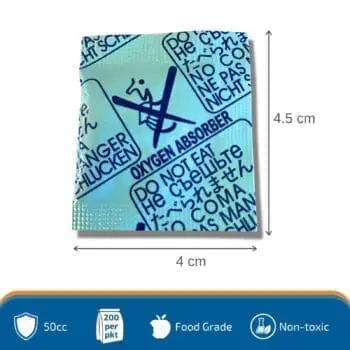
Can I use oxygen absorbers when sealing a warm product (30°C–60°C)?
Yes. Oxygen absorbers can be used when sealing products at temperatures between 30°C and 60°C.
Does moisture affect how an oxygen absorber works?
Yes. Moisture is an important part of the oxygen absorption process, as oxygen absorbers require moisture to activate and react effectively.
For food products with a moisture content above 10%, the moisture level is generally not a concern for the operation of the oxygen absorber. The absorber can use available moisture within the package to support the reaction.
During this process, the oxygen absorber may absorb some moisture from the surrounding package environment while removing oxygen. A small amount of heat may also be generated, which is a normal part of the oxygen absorption reaction.
What are 50cc Oxygen Absorbers used for?
50cc Oxygen Absorbers are used in sealed packaging to: • Extend shelf life of dried foods, powders, and snacks. • Prevent mold and bacterial growth by removing oxygen. • Preserve beef jerky, dried meats, and protein powders. • Protect grains, dehydrated fruits, and flour from spoilage. • Stop oxidation in pharmaceuticals and electronics. They work best in airtight containers like Mylar bags, vacuum-sealed bags, and food storage jars.
How many 50cc Oxygen Absorbers should I use?
The factors to consider when calculating how many 50cc Oxygen Absorbers you require are: • The volume of the sealed package • The volume occupied by the food product. The 50cc Oxygen Absorber calculation isolates the volume of the food packaging void – sealed package volume less food weight – multiplied by 20%. The factor of 20% reflects that our atmosphere comprises 20% oxygen and 80% nitrogen. For those who like the numbers, the formula is:
(Sealed package volume – food volume) × 20%
. And for those who prefer a shortcut (who doesn’t),
check out our online Oxygen Absorber Calculator to find out how many you will need at the click of a button.
How do I know if my 50cc Oxygen Absorber is working?
A new 50cc Oxygen Absorber will have a loose powdered feel when pinched. It should feel free of clumps and may feel warm (a by-product of the absorber working in a moist environment). Spent (or expired) 50cc Oxygen Absorbers can feel hard or crunchy.
How long does it take for 50cc Oxygen Absorbers to work?
50cc Oxygen Absorbers, once exposed to the atmosphere, begin to get to work immediately. That is why we suggest that unused 50cc Oxygen Absorbers should be resealed within 30 minutes to ensure the integrity of the product is maintained.
How can I be assured that the 50cc Oxygen Absorbers I received are new and ready to use?
We understand that Protection Experts Australia customers should feel confident they are receiving the best quality products. The unopened 50cc Oxygen Absorber bag might feel hard, but that is due to the vacuum seal as they are all clumped together. Once the bag is opened, the sachets will separate and should feel like the container sand/granules. All our 50cc Oxygen Absorbers are packaged with a quality check, called the ‘eye’. The indicating eye is packaged with the 50cc Oxygen Absorbers and will appear pink, showing that the package is sealed and oxygen-free. Should the eye appear purple, this indicates that oxygen has penetrated the packaging through possibly a puncture or poor seal and the 50cc Oxygen Absorbers have been compromised. In this instance, we ask that you contact our office immediately so that the problem can be rectified.
[EXTRACT OBJECT]
I don’t need to use them all, how can I store my 50cc Oxygen Absorbers so they last?
Store 50cc Oxygen Absorbers at room temperature (5°C to 30°C), away from direct sunlight. They should be stored in their sealed package or a glass jar with a gasketed lid. Select the smallest glass jar possible to minimise the oxygen the absorbers will remove from the jar. 50cc Oxygen Absorbers in a well-sealed container will cause the lid to pop down. The shelf life of a 50cc Oxygen Absorber is up to 18 months.
How long will it take a 50cc Oxygen Absorber to remove all the oxygen from my sealed bag/container?
How quickly 50cc Oxygen Absorbers remove oxygen from the atmosphere will depend on the conditions. In dryer climates, it may take up to a week for 50cc Oxygen Absorbers to fully activate. Warmer, humid climates however accelerate the process and may take only 48 hours for the same result.
I’m using 50cc Oxygen Absorbers, why aren’t my bags getting hard?
50cc Oxygen Absorbers trap oxygen. Given that air comprises 20% oxygen and 80% nitrogen, the absorber will only be removing the 20% of the atmosphere that is oxygen. The volume of nitrogen remaining will mean your bag will not deflate to the extent of the bag becoming hard or rigid.
If I use vacuum packaging or nitrogen flushing to package my goods, do I still need to use 50cc Oxygen Absorbers?
Both these methods are used to remove the oxygen content from a package. Vacuum packaging achieves this by sucking out all air and then sealing the package. Nitrogen flushing forces the heavier nitrogen gas into packaging, pushing out the oxygen content. In both instances, some oxygen remains. It is estimated that when these methods are used there can be 2–3% of oxygen remaining. 50cc Oxygen Absorbers can then be used to capture the residual oxygen present.
I need to freeze my product. How will that affect the effectiveness of my 50cc Oxygen Absorbers?
50cc Oxygen Absorbers more rapidly capture oxygen at room temperature. Under normal room conditions (20°C), packages will be oxygen-free within 24 hours. At a temperature of 6°C, packages will be oxygen-free within 48 hours. In 0°C to 4°C conditions, packages will be oxygen-free within 72 hours. Given the content moisture levels can differ widely, we suggest customers test for their own unique circumstances.
100cc Oxygen Absorber
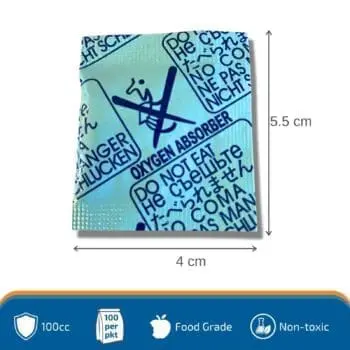
Can I use oxygen absorbers when sealing a warm product (30°C–60°C)?
Yes. Oxygen absorbers can be used when sealing products at temperatures between 30°C and 60°C.
Does moisture affect how an oxygen absorber works?
Yes. Moisture is an important part of the oxygen absorption process, as oxygen absorbers require moisture to activate and react effectively.
For food products with a moisture content above 10%, the moisture level is generally not a concern for the operation of the oxygen absorber. The absorber can use available moisture within the package to support the reaction.
During this process, the oxygen absorber may absorb some moisture from the surrounding package environment while removing oxygen. A small amount of heat may also be generated, which is a normal part of the oxygen absorption reaction.
If I use vacuum packaging or nitrogen flushing to package my goods, do I still need to use 100cc Oxygen Absorbers?
Both these methods are used to remove the oxygen content from a package. Vacuum packaging achieves this by sucking out all air and then sealing the package. Nitrogen flushing forces the heavier nitrogen gas into packaging, pushing out the oxygen content. In both instances, some oxygen remains. It is estimated that when these methods are used there can be 2–3% of oxygen remaining. 100cc Oxygen Absorbers can then be used to capture the residual oxygen present.
I need to freeze my product. How will that affect the effectiveness of my 100cc Oxygen Absorbers?
100cc Oxygen Absorbers more rapidly capture oxygen at room temperature. Under normal room conditions (20°C), packages will be oxygen-free within 24 hours. At a temperature of 6°C, packages will be oxygen-free within 48 hours. In 0°C to 4°C conditions, packages will be oxygen-free within 72 hours. Given the content moisture levels can differ widely, we suggest customers test for their own unique circumstances.
What are 100cc Oxygen Absorbers used for?
100cc Oxygen Absorbers are used in sealed packaging to: • Extend shelf life of dried foods, powders, and snacks. • Prevent mold and bacterial growth by removing oxygen. • Preserve beef jerky, dried meats, and protein powders. • Protect grains, dehydrated fruits, and flour from spoilage. • Stop oxidation in pharmaceuticals and electronics. They work best in airtight containers like Mylar bags, vacuum-sealed bags, and food storage jars.
How many 100cc Oxygen Absorbers should I use?
The factors to consider when calculating how many 100cc Oxygen Absorbers you require are: • The volume of the sealed package • The volume occupied by the food product. The 100cc Oxygen Absorber calculation isolates the volume of the food packaging void – sealed package volume less food weight – multiplied by 20%. The factor of 20% reflects that our atmosphere comprises 20% oxygen and 80% nitrogen. For those who like the numbers, the formula is:
(Sealed package volume – food volume) × 20%
. And for those who prefer a shortcut (who doesn’t),
check out our online Oxygen Absorber Calculator to find out how many you will need at the click of a button.
How do I know if my 100cc Oxygen Absorber is working?
A new 100cc Oxygen Absorber will have a loose powdered feel when pinched. It should feel free of clumps and may feel warm (a by-product of the absorber working in a moist environment). Spent (or expired) 100cc Oxygen Absorbers can feel hard or crunchy.
How long does it take for 100cc Oxygen Absorbers to work?
100cc Oxygen Absorbers, once exposed to the atmosphere, begin to get to work immediately. That is why we suggest that unused 100cc Oxygen Absorbers should be resealed within 30 minutes to ensure the integrity of the product is maintained.
How can I be assured that the 100cc Oxygen Absorbers I received are new and ready to use?
We understand that Protection Experts Australia customers should feel confident they are receiving the best quality products. The unopened 100cc Oxygen Absorber bag might feel hard, but that is due to the vacuum seal as they are all clumped together. Once the bag is opened, the sachets will separate and should feel like the container sand/granules. All our 100cc Oxygen Absorbers are packaged with a quality check, called the ‘eye’. The indicating eye is packaged with the 100cc Oxygen Absorbers and will appear pink, showing that the package is sealed and oxygen-free. Should the eye appear purple, this indicates that oxygen has penetrated the packaging through possibly a puncture or poor seal and the 100cc Oxygen Absorbers have been compromised. In this instance, we ask that you contact our office immediately so that the problem can be rectified.
[EXTRACT OBJECT]
I don’t need to use them all, how can I store my 100cc Oxygen Absorbers so they last?
Store 100cc Oxygen Absorbers at room temperature (5°C to 30°C), away from direct sunlight. They should be stored in their sealed package or a glass jar with a gasketed lid. Select the smallest glass jar possible to minimise the oxygen the absorbers will remove from the jar. 100cc Oxygen Absorbers in a well-sealed container will cause the lid to pop down. The shelf life of a 100cc Oxygen Absorber is up to 18 months.
How long will it take a 100cc Oxygen Absorber to remove all the oxygen from my sealed bag/container?
How quickly 100cc Oxygen Absorbers remove oxygen from the atmosphere will depend on the conditions. In dryer climates, it may take up to a week for 100cc Oxygen Absorbers to fully activate. Warmer, humid climates however accelerate the process and may take only 48 hours for the same result.
I’m using 100cc Oxygen Absorbers, why aren’t my bags getting hard?
100cc Oxygen Absorbers trap oxygen. Given that air comprises 20% oxygen and 80% nitrogen, the absorber will only be removing the 20% of the atmosphere that is oxygen. The volume of nitrogen remaining will mean your bag will not deflate to the extent of the bag becoming hard or rigid.
200cc Oxygen Absorber
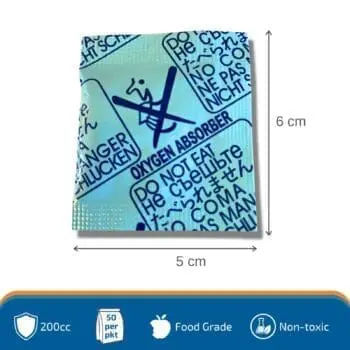
Can I use oxygen absorbers when sealing a warm product (30°C–60°C)?
Yes. Oxygen absorbers can be used when sealing products at temperatures between 30°C and 60°C.
Does moisture affect how an oxygen absorber works?
Yes. Moisture is an important part of the oxygen absorption process, as oxygen absorbers require moisture to activate and react effectively.
For food products with a moisture content above 10%, the moisture level is generally not a concern for the operation of the oxygen absorber. The absorber can use available moisture within the package to support the reaction.
During this process, the oxygen absorber may absorb some moisture from the surrounding package environment while removing oxygen. A small amount of heat may also be generated, which is a normal part of the oxygen absorption reaction.
What are 200cc Oxygen Absorbers used for?
200cc Oxygen Absorbers are used in sealed packaging to: • Extend shelf life of dried foods, powders, and snacks. • Prevent mold and bacterial growth by removing oxygen. • Preserve beef jerky, dried meats, and protein powders. • Protect grains, dehydrated fruits, and flour from spoilage. • Stop oxidation in pharmaceuticals and electronics. They work best in airtight containers like Mylar bags, vacuum-sealed bags, and food storage jars.
How many 200cc Oxygen Absorbers should I use?
The factors to consider when calculating how many 200cc Oxygen Absorbers you require are: • The volume of the sealed package • The volume occupied by the food product. The 200cc Oxygen Absorber calculation isolates the volume of the food packaging void – sealed package volume less food weight – multiplied by 20%. The factor of 20% reflects that our atmosphere comprises 20% oxygen and 80% nitrogen. For those who like the numbers, the formula is:
(Sealed package volume – food volume) × 20%
. And for those who prefer a shortcut (who doesn’t),
check out our online Oxygen Absorber Calculator to find out how many you will need at the click of a button.
How do I know if my 200cc Oxygen Absorber is working?
A new 200cc Oxygen Absorber will have a loose powdered feel when pinched. It should feel free of clumps and may feel warm (a by-product of the absorber working in a moist environment). Spent (or expired) 200cc Oxygen Absorbers can feel hard or crunchy.
How long does it take for 200cc Oxygen Absorbers to work?
200cc Oxygen Absorbers, once exposed to the atmosphere, begin to get to work immediately. That is why we suggest that unused 200cc Oxygen Absorbers should be resealed within 30 minutes to ensure the integrity of the product is maintained.
How can I be assured that the 200cc Oxygen Absorbers I received are new and ready to use?
We understand that Protection Experts Australia customers should feel confident they are receiving the best quality products. The unopened 200cc Oxygen Absorber bag might feel hard, but that is due to the vacuum seal as they are all clumped together. Once the bag is opened, the sachets will separate and should feel like the container sand/granules. All our 200cc Oxygen Absorbers are packaged with a quality check, called the ‘eye’. The indicating eye is packaged with the 200cc Oxygen Absorbers and will appear pink, showing that the package is sealed and oxygen-free. Should the eye appear purple, this indicates that oxygen has penetrated the packaging through possibly a puncture or poor seal and the 200cc Oxygen Absorbers have been compromised. In this instance, we ask that you contact our office immediately so that the problem can be rectified.
[EXTRACT OBJECT]
I don’t need to use them all, how can I store my 200cc Oxygen Absorbers so they last?
Store 200cc Oxygen Absorbers at room temperature (5°C to 30°C), away from direct sunlight. They should be stored in their sealed package or a glass jar with a gasketed lid. Select the smallest glass jar possible to minimise the oxygen the absorbers will remove from the jar. 200cc Oxygen Absorbers in a well-sealed container will cause the lid to pop down. The shelf life of a 200cc Oxygen Absorber is up to 18 months.
How long will it take a 200cc Oxygen Absorber to remove all the oxygen from my sealed bag/container?
How quickly 200cc Oxygen Absorbers remove oxygen from the atmosphere will depend on the conditions. In dryer climates, it may take up to a week for 200cc Oxygen Absorbers to fully activate. Warmer, humid climates however accelerate the process and may take only 48 hours for the same result.
I’m using 200cc Oxygen Absorbers, why aren’t my bags getting hard?
200cc Oxygen Absorbers trap oxygen. Given that air comprises 20% oxygen and 80% nitrogen, the absorber will only be removing the 20% of the atmosphere that is oxygen. The volume of nitrogen remaining will mean your bag will not deflate to the extent of the bag becoming hard or rigid.
If I use vacuum packaging or nitrogen flushing to package my goods, do I still need to use 200cc Oxygen Absorbers?
Both these methods are used to remove the oxygen content from a package. Vacuum packaging achieves this by sucking out all air and then sealing the package. Nitrogen flushing forces the heavier nitrogen gas into packaging, pushing out the oxygen content. In both instances, some oxygen remains. It is estimated that when these methods are used there can be 2–3% of oxygen remaining. 200cc Oxygen Absorbers can then be used to capture the residual oxygen present.
I need to freeze my product. How will that affect the effectiveness of my 200cc Oxygen Absorbers?
200cc Oxygen Absorbers more rapidly capture oxygen at room temperature. Under normal room conditions (20°C), packages will be oxygen-free within 24 hours. At a temperature of 6°C, packages will be oxygen-free within 48 hours. In 0°C to 4°C conditions, packages will be oxygen-free within 72 hours. Given the content moisture levels can differ widely, we suggest customers test for their own unique circumstances.
300cc Oxygen Absorber
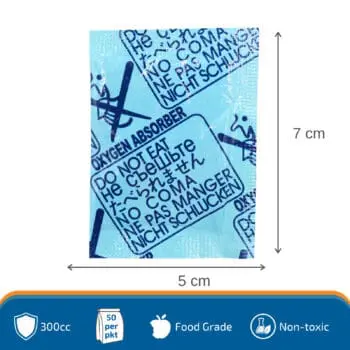
Can I use oxygen absorbers when sealing a warm product (30°C–60°C)?
Yes. Oxygen absorbers can be used when sealing products at temperatures between 30°C and 60°C.
I’m using 300cc Oxygen Absorbers, why aren’t my bags getting hard?
300cc Oxygen Absorbers trap oxygen. Given that air comprises 20% oxygen and 80% nitrogen, the absorber will only be removing the 20% of the atmosphere that is oxygen. The volume of nitrogen remaining will mean your bag will not deflate to the extent of the bag becoming hard or rigid.
How long will it take a 300cc Oxygen Absorber to remove all the oxygen from my sealed bag/container?
How quickly 300cc Oxygen Absorbers remove oxygen from the atmosphere will depend on the conditions. In dryer climates, it may take up to a week for 300cc Oxygen Absorbers to fully activate. Warmer, humid climates however accelerate the process and may take only 48 hours for the same result.
I don’t need to use them all, how can I store my 300cc Oxygen Absorbers so they last?
Store 300cc Oxygen Absorbers at room temperature (5°C to 30°C), away from direct sunlight. They should be stored in their sealed package or a glass jar with a gasketed lid. Select the smallest glass jar possible to minimise the oxygen the absorbers will remove from the jar. 300cc Oxygen Absorbers in a well-sealed container will cause the lid to pop down. The shelf life of a 300cc Oxygen Absorber is up to 18 months.
How can I be assured that the 300cc Oxygen Absorbers I received are new and ready to use?
We understand that Protection Experts Australia customers should feel confident they are receiving the best quality products. The unopened 300cc Oxygen Absorber bag might feel hard, but that is due to the vacuum seal as they are all clumped together. Once the bag is opened, the sachets will separate and should feel like the container sand/granules. All our 300cc Oxygen Absorbers are packaged with a quality check, called the ‘eye’. The indicating eye is packaged with the 300cc Oxygen Absorbers and will appear pink, showing that the package is sealed and oxygen-free. Should the eye appear purple, this indicates that oxygen has penetrated the packaging through possibly a puncture or poor seal and the 300cc Oxygen Absorbers have been compromised. In this instance, we ask that you contact our office immediately so that the problem can be rectified.
[EXTRACT OBJECT]
How long does it take for 300cc Oxygen Absorbers to work?
300cc Oxygen Absorbers, once exposed to the atmosphere, begin to get to work immediately. That is why we suggest that unused 300cc Oxygen Absorbers should be resealed within 30 minutes to ensure the integrity of the product is maintained.
How do I know if my 300cc Oxygen Absorber is working?
A new 300cc Oxygen Absorber will have a loose powdered feel when pinched. It should feel free of clumps and may feel warm (a by-product of the absorber working in a moist environment). Spent (or expired) 300cc Oxygen Absorbers can feel hard or crunchy.
How many 300cc Oxygen Absorbers should I use?
The factors to consider when calculating how many 300cc Oxygen Absorbers you require are: • The volume of the sealed package • The volume occupied by the food product. The 300cc Oxygen Absorber calculation isolates the volume of the food packaging void – sealed package volume less food weight – multiplied by 20%. The factor of 20% reflects that our atmosphere comprises 20% oxygen and 80% nitrogen. For those who like the numbers, the formula is:
(Sealed package volume – food volume) × 20%
. And for those who prefer a shortcut (who doesn’t),
check out our online Oxygen Absorber Calculator to find out how many you will need at the click of a button.
I need to freeze my product. How will that affect the effectiveness of my 300cc Oxygen Absorbers?
300cc Oxygen Absorbers more rapidly capture oxygen at room temperature. Under normal room conditions (20°C), packages will be oxygen-free within 24 hours. At a temperature of 6°C, packages will be oxygen-free within 48 hours. In 0°C to 4°C conditions, packages will be oxygen-free within 72 hours. Given the content moisture levels can differ widely, we suggest customers test for their own unique circumstances.
If I use vacuum packaging or nitrogen flushing to package my goods, do I still need to use 300cc Oxygen Absorbers?
Both these methods are used to remove the oxygen content from a package. Vacuum packaging achieves this by sucking out all air and then sealing the package. Nitrogen flushing forces the heavier nitrogen gas into packaging, pushing out the oxygen content. In both instances, some oxygen remains. It is estimated that when these methods are used there can be 2–3% of oxygen remaining. 300cc Oxygen Absorbers can then be used to capture the residual oxygen present.
What are 300cc Oxygen Absorbers used for?
300cc Oxygen Absorbers are used in sealed packaging to: • Extend shelf life of dried foods, powders, and snacks. • Prevent mold and bacterial growth by removing oxygen. • Preserve beef jerky, dried meats, and protein powders. • Protect grains, dehydrated fruits, and flour from spoilage. • Stop oxidation in pharmaceuticals and electronics. They work best in airtight containers like Mylar bags, vacuum-sealed bags, and food storage jars.
500cc Oxygen Absorber
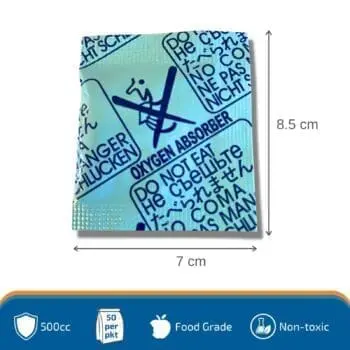
Can I use oxygen absorbers when sealing a warm product (30°C–60°C)?
Yes. Oxygen absorbers can be used when sealing products at temperatures between 30°C and 60°C.
Does moisture affect how an oxygen absorber works?
Yes. Moisture is an important part of the oxygen absorption process, as oxygen absorbers require moisture to activate and react effectively.
For food products with a moisture content above 10%, the moisture level is generally not a concern for the operation of the oxygen absorber. The absorber can use available moisture within the package to support the reaction.
During this process, the oxygen absorber may absorb some moisture from the surrounding package environment while removing oxygen. A small amount of heat may also be generated, which is a normal part of the oxygen absorption reaction.
What are 500cc Oxygen Absorbers used for?
500cc Oxygen Absorbers are used in sealed packaging to: • Extend shelf life of dried foods, powders, and snacks. • Prevent mold and bacterial growth by removing oxygen. • Preserve beef jerky, dried meats, and protein powders. • Protect grains, dehydrated fruits, and flour from spoilage. • Stop oxidation in pharmaceuticals and electronics. They work best in airtight containers like Mylar bags, vacuum-sealed bags, and food storage jars.
How many 500cc Oxygen Absorbers should I use?
The factors to consider when calculating how many 500cc Oxygen Absorbers you require are: • The volume of the sealed package • The volume occupied by the food product. The 500cc Oxygen Absorber calculation isolates the volume of the food packaging void – sealed package volume less food weight – multiplied by 20%. The factor of 20% reflects that our atmosphere comprises 20% oxygen and 80% nitrogen. For those who like the numbers, the formula is:
(Sealed package volume – food volume) × 20%
. And for those who prefer a shortcut (who doesn’t),
check out our online Oxygen Absorber Calculator to find out how many you will need at the click of a button.
How do I know if my 500cc Oxygen Absorber is working?
A new 500cc Oxygen Absorber will have a loose powdered feel when pinched. It should feel free of clumps and may feel warm (a by-product of the absorber working in a moist environment). Spent (or expired) 500cc Oxygen Absorbers can feel hard or crunchy.
How long does it take for 500cc Oxygen Absorbers to work?
500cc Oxygen Absorbers, once exposed to the atmosphere, begin to get to work immediately. That is why we suggest that unused 500cc Oxygen Absorbers should be resealed within 30 minutes to ensure the integrity of the product is maintained.
How can I be assured that the 500cc Oxygen Absorbers I received are new and ready to use?
We understand that Protection Experts Australia customers should feel confident they are receiving the best quality products. The unopened 500cc Oxygen Absorber bag might feel hard, but that is due to the vacuum seal as they are all clumped together. Once the bag is opened, the sachets will separate and should feel like the container sand/granules. All our 500cc Oxygen Absorbers are packaged with a quality check, called the ‘eye’. The indicating eye is packaged with the 500cc Oxygen Absorbers and will appear pink, showing that the package is sealed and oxygen-free. Should the eye appear purple, this indicates that oxygen has penetrated the packaging through possibly a puncture or poor seal and the 500cc Oxygen Absorbers have been compromised. In this instance, we ask that you contact our office immediately so that the problem can be rectified.
[EXTRACT OBJECT]
I don’t need to use them all, how can I store my 500cc Oxygen Absorbers so they last?
Store 500cc Oxygen Absorbers at room temperature (5°C to 30°C), away from direct sunlight. They should be stored in their sealed package or a glass jar with a gasketed lid. Select the smallest glass jar possible to minimise the oxygen the absorbers will remove from the jar. 500cc Oxygen Absorbers in a well-sealed container will cause the lid to pop down. The shelf life of a 500cc Oxygen Absorber is up to 18 months.
How long will it take a 500cc Oxygen Absorber to remove all the oxygen from my sealed bag/container?
How quickly 500cc Oxygen Absorbers remove oxygen from the atmosphere will depend on the conditions. In dryer climates, it may take up to a week for 500cc Oxygen Absorbers to fully activate. Warmer, humid climates however accelerate the process and may take only 48 hours for the same result.
I’m using 500cc Oxygen Absorbers, why aren’t my bags getting hard?
500cc Oxygen Absorbers trap oxygen. Given that air comprises 20% oxygen and 80% nitrogen, the absorber will only be removing the 20% of the atmosphere that is oxygen. The volume of nitrogen remaining will mean your bag will not deflate to the extent of the bag becoming hard or rigid.
If I use vacuum packaging or nitrogen flushing to package my goods, do I still need to use 500cc Oxygen Absorbers?
Both these methods are used to remove the oxygen content from a package. Vacuum packaging achieves this by sucking out all air and then sealing the package. Nitrogen flushing forces the heavier nitrogen gas into packaging, pushing out the oxygen content. In both instances, some oxygen remains. It is estimated that when these methods are used there can be 2–3% of oxygen remaining. 500cc Oxygen Absorbers can then be used to capture the residual oxygen present.
I need to freeze my product. How will that affect the effectiveness of my 500cc Oxygen Absorbers?
500cc Oxygen Absorbers more rapidly capture oxygen at room temperature. Under normal room conditions (20°C), packages will be oxygen-free within 24 hours. At a temperature of 6°C, packages will be oxygen-free within 48 hours. In 0°C to 4°C conditions, packages will be oxygen-free within 72 hours. Given the content moisture levels can differ widely, we suggest customers test for their own unique circumstances.
Stand Up Pouch 16*23cm + 100cc Oxygen Absorber
What is included in the 16×23cm Stand Up Pouch Bundle?
The 16×23cm Stand Up Pouch Bundle includes 50 food-grade stand up pouches with a 4 cm gusset and resealable zip, plus 100 pieces of 100cc oxygen absorbers to protect contents from spoilage.
What can I store in the 16×23cm Stand Up Pouch Bundle?
The 16×23cm Stand Up Pouch Bundle is perfect for dry foods like coffee, tea, nuts, snacks, and spices, as well as non-food items such as bath salts, craft supplies, and small hardware.
How do I use the 16×23cm Stand Up Pouch Bundle?
Fill the pouch, add the correct number of 100cc oxygen absorbers, press out excess air, and seal using a heat sealer for long-term storage. The resealable zip allows for easy reuse after opening.
Is the 16×23cm Stand Up Pouch Bundle reusable?
Yes, the 16×23cm Stand Up Pouch Bundle pouches can be reused multiple times when storing non-perishable or short-term items, as long as they remain clean and undamaged.
Mylar Bag 15*20cm + 50cc Oxygen Absorber
What’s included in the 15×20cm Mylar Bag + 50cc Oxygen Absorber Bundle?
The 15×20cm Mylar Bag + 50cc Oxygen Absorber Bundle contains 50 Mylar Bags (15×20cm, 500ml capacity) and 200 food-safe 50cc Oxygen Absorbers - ideal for long-term storage of dry goods and oxygen-sensitive items.
How many 50cc Oxygen Absorbers should I use per 15×20cm Mylar Bag?
For a 15×20cm Mylar Bag filled with dry food, use one 50cc Oxygen Absorber from the 15×20cm Mylar Bag + 50cc Oxygen Absorber Bundle. Use our online Oxygen Absorber Calculator if you are unsure or storing unusual products.
How do I seal the 15×20cm Mylar Bag from the 50cc Oxygen Absorber Bundle?
Fill the 15×20cm Mylar Bag, add the 50cc Oxygen Absorber, press out excess air, and seal using a vacuum sealer, impulse sealer, or household iron/hair straightener on high heat for 2–4 seconds.
Will the 15×20cm Mylar Bag from the 50cc Oxygen Absorber Bundle become vacuum-packed?
No. The 50cc Oxygen Absorber in the 15×20cm Mylar Bag + 50cc Oxygen Absorber Bundle removes oxygen, not nitrogen, so the bag will deflate slightly but won’t be fully rigid like a vacuum seal.
How should I store unused 50cc Oxygen Absorbers from the 15×20cm Mylar Bag Bundle?
Keep unused 50cc Oxygen Absorbers from the 15×20cm Mylar Bag + 50cc Oxygen Absorber Bundle in an airtight glass jar with a gasketed lid or in their original sealed packaging, away from heat and sunlight. Reseal within 30 minutes of opening.
Mylar Bag 23*32cm + 200cc Oxygen Absorber
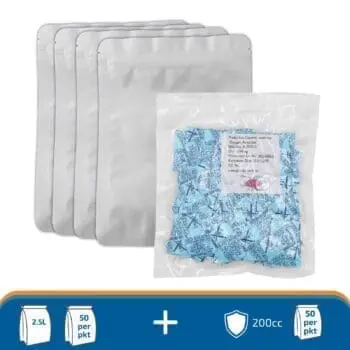
What’s included in the 23×32cm Mylar Bag + 200cc Oxygen Absorber Bundle?
The 23×32cm Mylar Bag + 200cc Oxygen Absorber Bundle contains 50 Mylar Bags (23×32cm, approx. 3L capacity) and 200 food-safe 200cc Oxygen Absorbers — perfect for storing bulk dry goods or oxygen-sensitive items long-term.
How many 200cc Oxygen Absorbers should I use per 23×32cm Mylar Bag?
For a 23×32cm Mylar Bag filled with dry food, use one 200cc Oxygen Absorber from the 23×32cm Mylar Bag + 200cc Oxygen Absorber Bundle. Use our online Oxygen Absorber Calculator for unusual products or fill levels.
How do I seal the 23×32cm Mylar Bag from the 200cc Oxygen Absorber Bundle?
Fill the 23×32cm Mylar Bag, add the 200cc Oxygen Absorber, press out excess air, and seal using a vacuum sealer, impulse sealer, or household iron/hair straightener on high heat for 2–4 seconds.
Will the 23×32cm Mylar Bag from the 200cc Oxygen Absorber Bundle become vacuum-packed?
No. The 200cc Oxygen Absorber in the 23×32cm Mylar Bag + 200cc Oxygen Absorber Bundle removes oxygen, not nitrogen, so the bag will deflate slightly but won’t be fully rigid like a vacuum seal.
How should I store unused 200cc Oxygen Absorbers from the 23×32cm Mylar Bag Bundle?
Keep unused 200cc Oxygen Absorbers from the 23×32cm Mylar Bag + 200cc Oxygen Absorber Bundle in an airtight glass jar with a gasketed lid or in their original sealed packaging, away from heat and sunlight. Reseal within 30 minutes of opening.
Mylar Bag 30*40cm + 500cc Oxygen Absorber
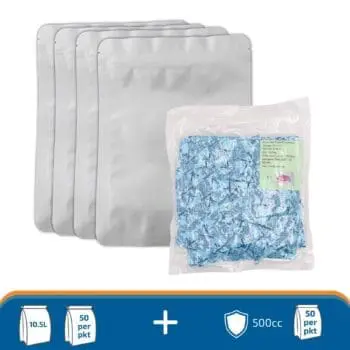
What’s included in the 30×40cm Mylar Bag + 500cc Oxygen Absorber Bundle?
The 30×40cm Mylar Bag + 500cc Oxygen Absorber Bundle contains 50 Mylar Bags (30×40cm, approx. 8L capacity) and 200 food-safe 500cc Oxygen Absorbers — ideal for large-volume dry goods and oxygen-sensitive items in long-term storage.
How many 500cc Oxygen Absorbers should I use per 30×40cm Mylar Bag?
For a 30×40cm Mylar Bag filled with dry food, use one 500cc Oxygen Absorber from the 30×40cm Mylar Bag + 500cc Oxygen Absorber Bundle. Use our online Oxygen Absorber Calculator for precise amounts.
How do I seal the 30×40cm Mylar Bag from the 500cc Oxygen Absorber Bundle?
Fill the 30×40cm Mylar Bag, add the 500cc Oxygen Absorber, press out excess air, and seal using a vacuum sealer, impulse sealer, or household iron/hair straightener on high heat for 2–4 seconds.
Will the 30×40cm Mylar Bag from the 500cc Oxygen Absorber Bundle become vacuum-packed?
No. The 500cc Oxygen Absorber in the 30×40cm Mylar Bag + 500cc Oxygen Absorber Bundle removes oxygen, not nitrogen, so the bag will deflate slightly but won’t be fully rigid like a vacuum seal.
How should I store unused 500cc Oxygen Absorbers from the 30×40cm Mylar Bag Bundle?
Keep unused 500cc Oxygen Absorbers from the 30×40cm Mylar Bag + 500cc Oxygen Absorber Bundle in an airtight glass jar with a gasketed lid or in their original sealed packaging, away from heat and sunlight. Reseal within 30 minutes of opening.
2.5L Kraft Paper Pouch + 200cc Oxygen Absorber
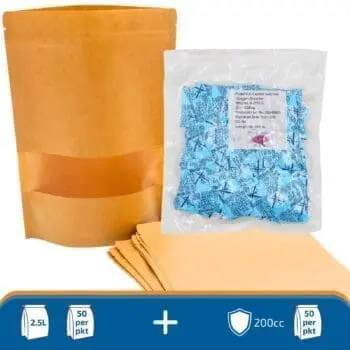
What is included in the 2.5L Kraft Paper Pouch + 200cc Oxygen Absorber Bundle?
The 2.5L Kraft Paper Pouch + 200cc Oxygen Absorber Bundle includes 50 kraft paper pouches (20 × 30 cm with 5 cm gusset) and 50 oxygen absorbers (200cc each).
How many 200cc Oxygen Absorbers should I use in a 2.5L Kraft Paper Pouch?
For best results, use one 200cc Oxygen Absorber in each 2.5L Kraft Paper Pouch before sealing.
Can the 2.5L Kraft Paper Pouch + 200cc Oxygen Absorber Bundle be reused?
Yes, the 2.5L Kraft Paper Pouch + 200cc Oxygen Absorber Bundle features resealable pouches that can be reused, but a fresh oxygen absorber should be added each time.
Mylar Bags, Kraft & Stand Up Pouches
GENERAL FAQ
Can I store liquids in Kraft Pouches?
They are not designed for long-term liquid storage, but can withstand hot liquids up to 120°C for short-term use, such as adding boiling water to freeze-dried meals.
Do Kraft Pouches need oxygen absorbers?
For long-term dry food storage, oxygen absorbers are recommended to maintain freshness and prevent spoilage.
What are Stand Up Pouches used for?
Stand Up Pouches are popular retail packaging for snacks, coffee, tea, dried fruit, powders, and pet treats. They are also suitable for storage of non-food items requiring resealable packaging.
Why are they called Stand Up Pouches?
Their gusseted base allows the pouch to stand upright, making them ideal for both storage and retail display.
Are Stand Up Pouches airtight?
Yes. When heat-sealed, Stand Up Pouches create an airtight seal. They also have a resealable zipper for convenience once opened.
Can I store liquids in Stand Up Pouches?
They can hold hot liquids up to 120°C for short-term use, but are not intended for long-term liquid storage.
Do Stand Up Pouches protect against moisture and oxygen?
Yes. The multi-layer material provides a good barrier against oxygen and moisture. For maximum freshness, use oxygen absorbers for dry goods.
How do I seal Stand Up Pouches?
Use a household iron, hair straightener, impulse sealer, or vacuum sealer with sealing function for the initial seal.
Can I see the product inside Stand Up Pouches?
Many Stand Up Pouches have a transparent window so the contents are visible without opening the package.
Do I need to line my container with Kraft paper?
Lots of containers are lined with kraft paper primarily for reasons of hygiene or to simply isolate the cargo from direct contact with the container walls. The liner will act as a kind of sponge, catching and absorbing any droplets of water and then re-evaporating the moisture into the air. If liner is used without Absorpoles it could contribute to a kind of pumping effect, drawing moisture out of the cargo. When used together with Absorpoles the liner will act as a buffer in extreme conditions, and will prevent any container rain from reaching the cargo. Much the same can be said for so-called dew cloths.
Are Mylar Bags capable of handling Ultra Frozen conditions (-80°C)
Mylar Bags are suitable for conditions up to -30°C but have not been tested in ultra frozen conditions up to -80°C
What are Mylar Bags used for?
Mylar Bags are designed for long-term storage of dry goods such as grains, pasta, coffee, herbs, powdered foods, and dried fruits. They are also used to protect sensitive non-food items like documents and electronics from oxygen, light, and moisture damage.
Are Mylar Bags airtight and moisture-proof?
Yes. When heat-sealed, Mylar Bags create an airtight, moisture-resistant, and lightproof barrier, preserving product freshness and quality for extended periods.
Do I need oxygen absorbers with Mylar Bags?
For long-term storage of dry goods, oxygen absorbers are highly recommended. They remove oxygen from the sealed environment, preventing mould, bacteria, and oxidation.
Can I reuse Mylar Bags?
Yes, if opened carefully along the tear notch. They can be resealed, but long-term storage performance is best with new bags.
What thickness of Mylar Bag should I choose?
Thicker bags (110 microns and above) offer better puncture resistance and extended shelf life.
Can I use Mylar Bags for hot liquids?
Mylar Bags can withstand liquids up to 120°C, allowing boiling water to be added to dehydrated meals. They are not intended for long-term liquid storage.
How do I seal Mylar Bags?
Use a household iron, hair straightener, impulse sealer, or vacuum sealer with sealing function. Always heat-seal for maximum protection.
How long will Mylar Bags protect my food?
When used with oxygen absorbers and stored in cool, dark conditions, Mylar Bags can preserve dry foods for 5–30 years, depending on the product.
What are Kraft Pouches used for?
Kraft Pouches are an eco-friendly, biodegradable option for packaging dry goods like tea, coffee beans, herbs, nuts, snacks, and pet treats. They are also suitable for non-food items that need a natural, sustainable presentation.
Are Kraft Pouches moisture-proof?
Yes. Kraft Pouches are lined with a laminated interior to protect contents from moisture, while maintaining an eco-friendly exterior.
Are Kraft Pouches biodegradable?
Yes. Kraft Pouches are made from recyclable and biodegradable materials, making them an environmentally responsible packaging choice.
Can I see the product inside a Kraft Pouch?
Many Kraft Pouches have a clear window that allows customers to view the contents.
How do I seal Kraft Pouches?
They feature a resealable zipper closure and can also be heat-sealed for tamper-proof storage.
Mylar Bag 15*20cm (50 pcs)
What is a 15×20cm Mylar Bag used for?
A 15×20cm Mylar Bag is used for long-term storage of dry, low-fat foods and non-food items, protecting them from oxygen, moisture, and light damage.
How many oxygen absorbers will I need for a 15×20cm Mylar Bag?
The number of oxygen absorbers required for a 15×20cm Mylar Bag depends on the
void volume
of your package: • The volume of the sealed package • The volume occupied by the food product. The calculation isolates the packaging void (sealed package volume minus food weight) multiplied by 20% — as air is approximately 20% oxygen. Formula lovers can use the calculation directly, but for a shortcut,
try our online Oxygen Absorber Calculator to instantly determine the right amount
.
Are 15×20cm Mylar Bags reusable?
Yes. A 15×20cm Mylar Bag can be reused if it’s carefully opened, cleaned, and resealed, though you will need fresh oxygen absorbers for each use.
Can I store liquids in a 15×20cm Mylar Bag?
A 15×20cm Mylar Bag can hold hot liquids up to 120°C for short-term use (such as rehydrating meals) but is not designed for long-term liquid storage.
How do I seal a 15×20cm Mylar Bag?
You can seal a 15×20cm Mylar Bag using an impulse sealer, vacuum sealer (seal function only), or household items such as a clothes iron or hair straightener on a high setting.
What types of food can I store in a 15×20cm Mylar Bag?
Dry, low-fat foods such as flour, oats, rice, beans, pasta, herbs, spices, and dehydrated fruits or vegetables are ideal for storage in a 15×20cm Mylar Bag.
How long will food last in a 15×20cm Mylar Bag?
When paired with the correct oxygen absorbers, a 15×20cm Mylar Bag can preserve dry goods for 5–20 years depending on the food type and storage conditions.
Mylar Bag 23*32cm (50 pcs)
What is a 23×32cm Mylar Bag used for?
A 23×32cm Mylar Bag is designed for medium-capacity long-term storage, protecting dry goods and non-food items from oxygen, moisture, and light.
How many oxygen absorbers will I need for a 23×32cm Mylar Bag?
The number of oxygen absorbers needed for a 23×32cm Mylar Bag depends on the
void volume
of your package: • The volume of the sealed package • The volume occupied by the food product. The calculation isolates the packaging void (sealed package volume minus food weight) multiplied by 20% — as air is approximately 20% oxygen. Formula lovers can use the calculation directly, but for a shortcut, try our online Oxygen Absorber Calculator to instantly determine the right amount.
Are 23×32cm Mylar Bags reusable?
Yes. A 23×32cm Mylar Bag can be reused if opened carefully and resealed, though you will need fresh oxygen absorbers each time.
Can I store liquids in a 23×32cm Mylar Bag?
A 23×32cm Mylar Bag can temporarily hold hot liquids up to 120°C, but it is not intended for long-term liquid storage.
How do I seal a 23×32cm Mylar Bag?
You can seal a 23×32cm Mylar Bag with an impulse sealer, vacuum sealer (seal mode only), or household tools like a clothes iron or hair straightener on high heat.
What types of food can I store in a 23×32cm Mylar Bag?
Dry, low-fat foods such as rice, oats, flour, beans, pasta, dehydrated vegetables, herbs, and spices are ideal for a 23×32cm Mylar Bag.
How long will food last in a 23×32cm Mylar Bag?
With the correct oxygen absorbers and proper storage, food in a 23×32cm Mylar Bag can last 5–20 years depending on the food type and environment.
2.5L Kraft Paper Pouch 20*30 cm
What is the 2.5L Kraft Paper Pouch made from?
The 2.5L Kraft Paper Pouch is made from PET/PAPER/PE with a laminated interior for moisture and oxygen protection. It is biodegradable, recyclable, and environmentally friendly.
What can I store in the 2.5L Kraft Paper Pouch?
The 2.5L Kraft Paper Pouch is ideal for dry products such as coffee beans, tea, herbs, nuts, powdered foods, beef jerky, and dry pet food.
Is the 2.5L Kraft Paper Pouch resealable?
Yes, the 2.5L Kraft Paper Pouch has a durable resealable zipper closure and can also be heat-sealed for a tamper-evident, airtight seal.
Does the 2.5L Kraft Paper Pouch have a display window?
Yes, the 2.5L Kraft Paper Pouch has a clear front window to showcase the contents, making it perfect for retail display.
Can I use moisture absorbers with the 2.5L Kraft Paper Pouch?
Yes, we recommend using silica gel or other moisture control products with the 2.5L Kraft Paper Pouch to maintain freshness and prevent spoilage.
Stand Up Pouch 16*23cm + 100cc Oxygen Absorber
What is included in the 16×23cm Stand Up Pouch Bundle?
The 16×23cm Stand Up Pouch Bundle includes 50 food-grade stand up pouches with a 4 cm gusset and resealable zip, plus 100 pieces of 100cc oxygen absorbers to protect contents from spoilage.
What can I store in the 16×23cm Stand Up Pouch Bundle?
The 16×23cm Stand Up Pouch Bundle is perfect for dry foods like coffee, tea, nuts, snacks, and spices, as well as non-food items such as bath salts, craft supplies, and small hardware.
How do I use the 16×23cm Stand Up Pouch Bundle?
Fill the pouch, add the correct number of 100cc oxygen absorbers, press out excess air, and seal using a heat sealer for long-term storage. The resealable zip allows for easy reuse after opening.
Is the 16×23cm Stand Up Pouch Bundle reusable?
Yes, the 16×23cm Stand Up Pouch Bundle pouches can be reused multiple times when storing non-perishable or short-term items, as long as they remain clean and undamaged.
Stand Up Pouch 16*23cm (50 pcs)
What is the 16×23cm Stand Up Pouch made from?
The 16×23cm Stand Up Pouch is made from durable 100 micron (0.1 mm) thick, food-grade, BPA-free material with a clear front window for visibility and a 4 cm gusset for upright display.
What can I store in the 16×23cm Stand Up Pouch?
The 16×23cm Stand Up Pouch is ideal for dried foods, snacks, coffee, tea, powders, spices, bath salts, craft supplies, hardware, and other small-to-mid volume items.
Is the 16×23cm Stand Up Pouch resealable?
Yes, the 16×23cm Stand Up Pouch has a resealable zip lock closure, allowing you to open and close it multiple times while keeping contents fresh.
Can I heat seal the 16×23cm Stand Up Pouch?
Yes, the 16×23cm Stand Up Pouch can be heat sealed above the zip for a tamper-evident finish. It also includes a tear notch for easy opening.
Is the 16×23cm Stand Up Pouch suitable for hot liquids?
Yes, the 16×23cm Stand Up Pouch is heat-resistant up to 120°C, so it can safely hold boiling water for meal prep or rehydrating dried foods.
How many 16×23cm Stand Up Pouches are in a pack?
Each pack contains 50 of the 16×23cm Stand Up Pouch, making it cost-effective for bulk use or small business packaging needs.
Mylar Bag 30*40cm (50 pcs)
What is a 30×40cm Mylar Bag used for?
A 30×40cm Mylar Bag is used for storing larger volumes of food or bulk non-food items, offering excellent protection from oxygen, moisture, and light.
How many oxygen absorbers will I need for a 30×40cm Mylar Bag?
The number of oxygen absorbers required for a 30×40cm Mylar Bag depends on the
void volume
of your package: • The volume of the sealed package • The volume occupied by the food product. The calculation isolates the packaging void (sealed package volume minus food weight) multiplied by 20% — as air is approximately 20% oxygen. Formula lovers can use the calculation directly, but for a shortcut, try our online Oxygen Absorber Calculator to instantly determine the right amount.
Are 30×40cm Mylar Bags reusable?
Yes. A 30×40cm Mylar Bag can be reused when opened carefully and resealed, but fresh oxygen absorbers must be added each time.
Can I store liquids in a 30×40cm Mylar Bag?
A 30×40cm Mylar Bag can hold hot liquids up to 120°C temporarily but is not suitable for long-term liquid storage.
How do I seal a 30×40cm Mylar Bag?
You can seal a 30×40cm Mylar Bag using an impulse sealer, vacuum sealer (seal mode), or a high-heat household iron or hair straightener.
What types of food can I store in a 30×40cm Mylar Bag?
Dry foods such as flour, oats, rice, grains, pasta, beans, powdered milk, herbs, and dehydrated fruits or vegetables are ideal for a 30×40cm Mylar Bag.
How long will food last in a 30×40cm Mylar Bag?
When paired with the right oxygen absorbers, food in a 30×40cm Mylar Bag can last 5–20 years, depending on food type and storage conditions.
Mylar Bag 15*20cm + 50cc Oxygen Absorber
What’s included in the 15×20cm Mylar Bag + 50cc Oxygen Absorber Bundle?
The 15×20cm Mylar Bag + 50cc Oxygen Absorber Bundle contains 50 Mylar Bags (15×20cm, 500ml capacity) and 200 food-safe 50cc Oxygen Absorbers - ideal for long-term storage of dry goods and oxygen-sensitive items.
How many 50cc Oxygen Absorbers should I use per 15×20cm Mylar Bag?
For a 15×20cm Mylar Bag filled with dry food, use one 50cc Oxygen Absorber from the 15×20cm Mylar Bag + 50cc Oxygen Absorber Bundle. Use our online Oxygen Absorber Calculator if you are unsure or storing unusual products.
How do I seal the 15×20cm Mylar Bag from the 50cc Oxygen Absorber Bundle?
Fill the 15×20cm Mylar Bag, add the 50cc Oxygen Absorber, press out excess air, and seal using a vacuum sealer, impulse sealer, or household iron/hair straightener on high heat for 2–4 seconds.
Will the 15×20cm Mylar Bag from the 50cc Oxygen Absorber Bundle become vacuum-packed?
No. The 50cc Oxygen Absorber in the 15×20cm Mylar Bag + 50cc Oxygen Absorber Bundle removes oxygen, not nitrogen, so the bag will deflate slightly but won’t be fully rigid like a vacuum seal.
How should I store unused 50cc Oxygen Absorbers from the 15×20cm Mylar Bag Bundle?
Keep unused 50cc Oxygen Absorbers from the 15×20cm Mylar Bag + 50cc Oxygen Absorber Bundle in an airtight glass jar with a gasketed lid or in their original sealed packaging, away from heat and sunlight. Reseal within 30 minutes of opening.
Mylar Bag 23*32cm + 200cc Oxygen Absorber
What’s included in the 23×32cm Mylar Bag + 200cc Oxygen Absorber Bundle?
The 23×32cm Mylar Bag + 200cc Oxygen Absorber Bundle contains 50 Mylar Bags (23×32cm, approx. 3L capacity) and 200 food-safe 200cc Oxygen Absorbers — perfect for storing bulk dry goods or oxygen-sensitive items long-term.
How many 200cc Oxygen Absorbers should I use per 23×32cm Mylar Bag?
For a 23×32cm Mylar Bag filled with dry food, use one 200cc Oxygen Absorber from the 23×32cm Mylar Bag + 200cc Oxygen Absorber Bundle. Use our online Oxygen Absorber Calculator for unusual products or fill levels.
How do I seal the 23×32cm Mylar Bag from the 200cc Oxygen Absorber Bundle?
Fill the 23×32cm Mylar Bag, add the 200cc Oxygen Absorber, press out excess air, and seal using a vacuum sealer, impulse sealer, or household iron/hair straightener on high heat for 2–4 seconds.
Will the 23×32cm Mylar Bag from the 200cc Oxygen Absorber Bundle become vacuum-packed?
No. The 200cc Oxygen Absorber in the 23×32cm Mylar Bag + 200cc Oxygen Absorber Bundle removes oxygen, not nitrogen, so the bag will deflate slightly but won’t be fully rigid like a vacuum seal.
How should I store unused 200cc Oxygen Absorbers from the 23×32cm Mylar Bag Bundle?
Keep unused 200cc Oxygen Absorbers from the 23×32cm Mylar Bag + 200cc Oxygen Absorber Bundle in an airtight glass jar with a gasketed lid or in their original sealed packaging, away from heat and sunlight. Reseal within 30 minutes of opening.
Mylar Bag 30*40cm + 500cc Oxygen Absorber
What’s included in the 30×40cm Mylar Bag + 500cc Oxygen Absorber Bundle?
The 30×40cm Mylar Bag + 500cc Oxygen Absorber Bundle contains 50 Mylar Bags (30×40cm, approx. 8L capacity) and 200 food-safe 500cc Oxygen Absorbers — ideal for large-volume dry goods and oxygen-sensitive items in long-term storage.
How many 500cc Oxygen Absorbers should I use per 30×40cm Mylar Bag?
For a 30×40cm Mylar Bag filled with dry food, use one 500cc Oxygen Absorber from the 30×40cm Mylar Bag + 500cc Oxygen Absorber Bundle. Use our online Oxygen Absorber Calculator for precise amounts.
How do I seal the 30×40cm Mylar Bag from the 500cc Oxygen Absorber Bundle?
Fill the 30×40cm Mylar Bag, add the 500cc Oxygen Absorber, press out excess air, and seal using a vacuum sealer, impulse sealer, or household iron/hair straightener on high heat for 2–4 seconds.
Will the 30×40cm Mylar Bag from the 500cc Oxygen Absorber Bundle become vacuum-packed?
No. The 500cc Oxygen Absorber in the 30×40cm Mylar Bag + 500cc Oxygen Absorber Bundle removes oxygen, not nitrogen, so the bag will deflate slightly but won’t be fully rigid like a vacuum seal.
How should I store unused 500cc Oxygen Absorbers from the 30×40cm Mylar Bag Bundle?
Keep unused 500cc Oxygen Absorbers from the 30×40cm Mylar Bag + 500cc Oxygen Absorber Bundle in an airtight glass jar with a gasketed lid or in their original sealed packaging, away from heat and sunlight. Reseal within 30 minutes of opening.
2.5L Kraft Paper Pouch + 200cc Oxygen Absorber
What is included in the 2.5L Kraft Paper Pouch + 200cc Oxygen Absorber Bundle?
The 2.5L Kraft Paper Pouch + 200cc Oxygen Absorber Bundle includes 50 kraft paper pouches (20 × 30 cm with 5 cm gusset) and 50 oxygen absorbers (200cc each).
How many 200cc Oxygen Absorbers should I use in a 2.5L Kraft Paper Pouch?
For best results, use one 200cc Oxygen Absorber in each 2.5L Kraft Paper Pouch before sealing.
Can the 2.5L Kraft Paper Pouch + 200cc Oxygen Absorber Bundle be reused?
Yes, the 2.5L Kraft Paper Pouch + 200cc Oxygen Absorber Bundle features resealable pouches that can be reused, but a fresh oxygen absorber should be added each time.
Biodegradable Clay Desiccant
1g Biodegradable Clay Desiccant
How do I dispose of Biodegradable Clay Desiccant?
Biodegradable Clay Desiccant sachets can be safely disposed of with regular general waste, subject to local waste disposal requirements. It's important to understand How to dispose of Biodegradable Clay responsibly.
When disposed of in landfill, the plastic-free, biodegradable Kraft paper packaging breaks down, while the naturally occurring bentonite clay returns to the earth in its original form.
Do not flush, open or consume the sachets.
How much Biodegradable Clay Desiccant do I need?
The quantity of Biodegradable Clay Desiccant required depends on the internal volume of your packaging, environmental humidity, packaging material and moisture sensitivity of your products.
Use our Clay Desiccant Calculator or contact our team for assistance in determining the appropriate quantity for your application.
Is Biodegradable Clay Desiccant safe for food packaging?
Selected products within our Biodegradable Clay Desiccant range are food grade and suitable for food packaging applications. These include our 1g, 2g and 6g Biodegradable Clay Desiccant sachets. Learn whether biodegradable clay is food safe.
Our 17g, 33g and 66g sachets are designed for general packaging applications and are not designated as food grade.
Always refer to the individual product specifications to confirm suitability. Desiccant sachets are not edible and must not be consumed.
Understanding whether desiccants are safe to use with food is important, so always consider if biodegradable clay is food safe before use.
Is Biodegradable Clay Desiccant toxic?
No. Biodegradable Clay Desiccant contains natural, non-toxic biodegradable clay without chemical additives. However, the sachets should not be opened or consumed and should be kept away from children and pets.
What is the difference between Biodegradable Clay Desiccant and Mineral Clay Desiccant?
Both Biodegradable Clay Desiccant and Mineral Clay Desiccant use naturally occurring clay minerals to adsorb moisture and protect products from mould, mildew, corrosion and other moisture-related damage.
The primary difference is the sachet packaging. Biodegradable Clay Desiccant is packaged in biodegradable, plastic-free Kraft paper, whereas Mineral Clay Desiccant typically uses synthetic sachet materials.
Biodegradable Clay Desiccant provides an environmentally conscious alternative for businesses looking to reduce plastic waste while maintaining effective moisture protection during storage and transportation.
What is Biodegradable Clay Desiccant and how does it work?
Biodegradable Clay Desiccant is a natural moisture-adsorbing product made from bentonite clay and packaged in biodegradable, plastic-free Kraft paper. It adsorbs moisture from the surrounding air, helping protect products against mould, mildew, corrosion and other moisture-related damage during storage and transportation. This leads us to explore how does biodegradable clay work in detail.
2g Biodegradable Clay Desiccant
How do I dispose of Biodegradable Clay Desiccant?
Biodegradable Clay Desiccant sachets can be safely disposed of with regular general waste, subject to local waste disposal requirements. It's important to understand How to dispose of Biodegradable Clay responsibly.
When disposed of in landfill, the plastic-free, biodegradable Kraft paper packaging breaks down, while the naturally occurring bentonite clay returns to the earth in its original form.
Do not flush, open or consume the sachets.
How much Biodegradable Clay Desiccant do I need?
The quantity of Biodegradable Clay Desiccant required depends on the internal volume of your packaging, environmental humidity, packaging material and moisture sensitivity of your products.
Use our Clay Desiccant Calculator or contact our team for assistance in determining the appropriate quantity for your application.
Is Biodegradable Clay Desiccant safe for food packaging?
Selected products within our Biodegradable Clay Desiccant range are food grade and suitable for food packaging applications. These include our 1g, 2g and 6g Biodegradable Clay Desiccant sachets. Learn whether biodegradable clay is food safe.
Our 17g, 33g and 66g sachets are designed for general packaging applications and are not designated as food grade.
Always refer to the individual product specifications to confirm suitability. Desiccant sachets are not edible and must not be consumed.
Understanding whether desiccants are safe to use with food is important, so always consider if biodegradable clay is food safe before use.
Is Biodegradable Clay Desiccant toxic?
No. Biodegradable Clay Desiccant contains natural, non-toxic biodegradable clay without chemical additives. However, the sachets should not be opened or consumed and should be kept away from children and pets.
What is the difference between Biodegradable Clay Desiccant and Mineral Clay Desiccant?
Both Biodegradable Clay Desiccant and Mineral Clay Desiccant use naturally occurring clay minerals to adsorb moisture and protect products from mould, mildew, corrosion and other moisture-related damage.
The primary difference is the sachet packaging. Biodegradable Clay Desiccant is packaged in biodegradable, plastic-free Kraft paper, whereas Mineral Clay Desiccant typically uses synthetic sachet materials.
Biodegradable Clay Desiccant provides an environmentally conscious alternative for businesses looking to reduce plastic waste while maintaining effective moisture protection during storage and transportation.
What is Biodegradable Clay Desiccant and how does it work?
Biodegradable Clay Desiccant is a natural moisture-adsorbing product made from bentonite clay and packaged in biodegradable, plastic-free Kraft paper. It adsorbs moisture from the surrounding air, helping protect products against mould, mildew, corrosion and other moisture-related damage during storage and transportation. This leads us to explore how does biodegradable clay work in detail.
6g Biodegradable Clay Desiccant
How do I dispose of Biodegradable Clay Desiccant?
Biodegradable Clay Desiccant sachets can be safely disposed of with regular general waste, subject to local waste disposal requirements. It's important to understand How to dispose of Biodegradable Clay responsibly.
When disposed of in landfill, the plastic-free, biodegradable Kraft paper packaging breaks down, while the naturally occurring bentonite clay returns to the earth in its original form.
Do not flush, open or consume the sachets.
How much Biodegradable Clay Desiccant do I need?
The quantity of Biodegradable Clay Desiccant required depends on the internal volume of your packaging, environmental humidity, packaging material and moisture sensitivity of your products.
Use our Clay Desiccant Calculator or contact our team for assistance in determining the appropriate quantity for your application.
Is Biodegradable Clay Desiccant safe for food packaging?
Selected products within our Biodegradable Clay Desiccant range are food grade and suitable for food packaging applications. These include our 1g, 2g and 6g Biodegradable Clay Desiccant sachets. Learn whether biodegradable clay is food safe.
Our 17g, 33g and 66g sachets are designed for general packaging applications and are not designated as food grade.
Always refer to the individual product specifications to confirm suitability. Desiccant sachets are not edible and must not be consumed.
Understanding whether desiccants are safe to use with food is important, so always consider if biodegradable clay is food safe before use.
Is Biodegradable Clay Desiccant toxic?
No. Biodegradable Clay Desiccant contains natural, non-toxic biodegradable clay without chemical additives. However, the sachets should not be opened or consumed and should be kept away from children and pets.
What is the difference between Biodegradable Clay Desiccant and Mineral Clay Desiccant?
Both Biodegradable Clay Desiccant and Mineral Clay Desiccant use naturally occurring clay minerals to adsorb moisture and protect products from mould, mildew, corrosion and other moisture-related damage.
The primary difference is the sachet packaging. Biodegradable Clay Desiccant is packaged in biodegradable, plastic-free Kraft paper, whereas Mineral Clay Desiccant typically uses synthetic sachet materials.
Biodegradable Clay Desiccant provides an environmentally conscious alternative for businesses looking to reduce plastic waste while maintaining effective moisture protection during storage and transportation.
What is Biodegradable Clay Desiccant and how does it work?
Biodegradable Clay Desiccant is a natural moisture-adsorbing product made from bentonite clay and packaged in biodegradable, plastic-free Kraft paper. It adsorbs moisture from the surrounding air, helping protect products against mould, mildew, corrosion and other moisture-related damage during storage and transportation. This leads us to explore how does biodegradable clay work in detail.
17g Biodegradable Clay Desiccant
How do I dispose of Biodegradable Clay Desiccant?
Biodegradable Clay Desiccant sachets can be safely disposed of with regular general waste, subject to local waste disposal requirements. It's important to understand How to dispose of Biodegradable Clay responsibly.
When disposed of in landfill, the plastic-free, biodegradable Kraft paper packaging breaks down, while the naturally occurring bentonite clay returns to the earth in its original form.
Do not flush, open or consume the sachets.
How much Biodegradable Clay Desiccant do I need?
The quantity of Biodegradable Clay Desiccant required depends on the internal volume of your packaging, environmental humidity, packaging material and moisture sensitivity of your products.
Use our Clay Desiccant Calculator or contact our team for assistance in determining the appropriate quantity for your application.
Is Biodegradable Clay Desiccant safe for food packaging?
Selected products within our Biodegradable Clay Desiccant range are food grade and suitable for food packaging applications. These include our 1g, 2g and 6g Biodegradable Clay Desiccant sachets. Learn whether biodegradable clay is food safe.
Our 17g, 33g and 66g sachets are designed for general packaging applications and are not designated as food grade.
Always refer to the individual product specifications to confirm suitability. Desiccant sachets are not edible and must not be consumed.
Understanding whether desiccants are safe to use with food is important, so always consider if biodegradable clay is food safe before use.
Is Biodegradable Clay Desiccant toxic?
No. Biodegradable Clay Desiccant contains natural, non-toxic biodegradable clay without chemical additives. However, the sachets should not be opened or consumed and should be kept away from children and pets.
What is the difference between Biodegradable Clay Desiccant and Mineral Clay Desiccant?
Both Biodegradable Clay Desiccant and Mineral Clay Desiccant use naturally occurring clay minerals to adsorb moisture and protect products from mould, mildew, corrosion and other moisture-related damage.
The primary difference is the sachet packaging. Biodegradable Clay Desiccant is packaged in biodegradable, plastic-free Kraft paper, whereas Mineral Clay Desiccant typically uses synthetic sachet materials.
Biodegradable Clay Desiccant provides an environmentally conscious alternative for businesses looking to reduce plastic waste while maintaining effective moisture protection during storage and transportation.
What is Biodegradable Clay Desiccant and how does it work?
Biodegradable Clay Desiccant is a natural moisture-adsorbing product made from bentonite clay and packaged in biodegradable, plastic-free Kraft paper. It adsorbs moisture from the surrounding air, helping protect products against mould, mildew, corrosion and other moisture-related damage during storage and transportation. This leads us to explore how does biodegradable clay work in detail.
33g Biodegradable Clay Desiccant
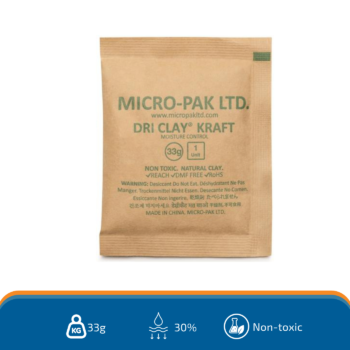
How do I dispose of Biodegradable Clay Desiccant?
Biodegradable Clay Desiccant sachets can be safely disposed of with regular general waste, subject to local waste disposal requirements. It's important to understand How to dispose of Biodegradable Clay responsibly.
When disposed of in landfill, the plastic-free, biodegradable Kraft paper packaging breaks down, while the naturally occurring bentonite clay returns to the earth in its original form.
Do not flush, open or consume the sachets.
How much Biodegradable Clay Desiccant do I need?
The quantity of Biodegradable Clay Desiccant required depends on the internal volume of your packaging, environmental humidity, packaging material and moisture sensitivity of your products.
Use our Clay Desiccant Calculator or contact our team for assistance in determining the appropriate quantity for your application.
Is Biodegradable Clay Desiccant safe for food packaging?
Selected products within our Biodegradable Clay Desiccant range are food grade and suitable for food packaging applications. These include our 1g, 2g and 6g Biodegradable Clay Desiccant sachets. Learn whether biodegradable clay is food safe.
Our 17g, 33g and 66g sachets are designed for general packaging applications and are not designated as food grade.
Always refer to the individual product specifications to confirm suitability. Desiccant sachets are not edible and must not be consumed.
Understanding whether desiccants are safe to use with food is important, so always consider if biodegradable clay is food safe before use.
Is Biodegradable Clay Desiccant toxic?
No. Biodegradable Clay Desiccant contains natural, non-toxic biodegradable clay without chemical additives. However, the sachets should not be opened or consumed and should be kept away from children and pets.
What is the difference between Biodegradable Clay Desiccant and Mineral Clay Desiccant?
Both Biodegradable Clay Desiccant and Mineral Clay Desiccant use naturally occurring clay minerals to adsorb moisture and protect products from mould, mildew, corrosion and other moisture-related damage.
The primary difference is the sachet packaging. Biodegradable Clay Desiccant is packaged in biodegradable, plastic-free Kraft paper, whereas Mineral Clay Desiccant typically uses synthetic sachet materials.
Biodegradable Clay Desiccant provides an environmentally conscious alternative for businesses looking to reduce plastic waste while maintaining effective moisture protection during storage and transportation.
What is Biodegradable Clay Desiccant and how does it work?
Biodegradable Clay Desiccant is a natural moisture-adsorbing product made from bentonite clay and packaged in biodegradable, plastic-free Kraft paper. It adsorbs moisture from the surrounding air, helping protect products against mould, mildew, corrosion and other moisture-related damage during storage and transportation. This leads us to explore how does biodegradable clay work in detail.
66g Biodegradable Clay Desiccant
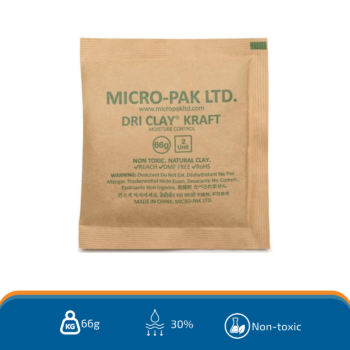
How do I dispose of Biodegradable Clay Desiccant?
Biodegradable Clay Desiccant sachets can be safely disposed of with regular general waste, subject to local waste disposal requirements. It's important to understand How to dispose of Biodegradable Clay responsibly.
When disposed of in landfill, the plastic-free, biodegradable Kraft paper packaging breaks down, while the naturally occurring bentonite clay returns to the earth in its original form.
Do not flush, open or consume the sachets.
How much Biodegradable Clay Desiccant do I need?
The quantity of Biodegradable Clay Desiccant required depends on the internal volume of your packaging, environmental humidity, packaging material and moisture sensitivity of your products.
Use our Clay Desiccant Calculator or contact our team for assistance in determining the appropriate quantity for your application.
Is Biodegradable Clay Desiccant safe for food packaging?
Selected products within our Biodegradable Clay Desiccant range are food grade and suitable for food packaging applications. These include our 1g, 2g and 6g Biodegradable Clay Desiccant sachets. Learn whether biodegradable clay is food safe.
Our 17g, 33g and 66g sachets are designed for general packaging applications and are not designated as food grade.
Always refer to the individual product specifications to confirm suitability. Desiccant sachets are not edible and must not be consumed.
Understanding whether desiccants are safe to use with food is important, so always consider if biodegradable clay is food safe before use.
Is Biodegradable Clay Desiccant toxic?
No. Biodegradable Clay Desiccant contains natural, non-toxic biodegradable clay without chemical additives. However, the sachets should not be opened or consumed and should be kept away from children and pets.
What is the difference between Biodegradable Clay Desiccant and Mineral Clay Desiccant?
Both Biodegradable Clay Desiccant and Mineral Clay Desiccant use naturally occurring clay minerals to adsorb moisture and protect products from mould, mildew, corrosion and other moisture-related damage.
The primary difference is the sachet packaging. Biodegradable Clay Desiccant is packaged in biodegradable, plastic-free Kraft paper, whereas Mineral Clay Desiccant typically uses synthetic sachet materials.
Biodegradable Clay Desiccant provides an environmentally conscious alternative for businesses looking to reduce plastic waste while maintaining effective moisture protection during storage and transportation.
What is Biodegradable Clay Desiccant and how does it work?
Biodegradable Clay Desiccant is a natural moisture-adsorbing product made from bentonite clay and packaged in biodegradable, plastic-free Kraft paper. It adsorbs moisture from the surrounding air, helping protect products against mould, mildew, corrosion and other moisture-related damage during storage and transportation. This leads us to explore how does biodegradable clay work in detail.
Removalist Straps
GENERAL FAQ
Can I use removalist straps by myself?
Smaller straps or tie-down webbing can be used alone, but lifting straps designed for furniture and appliances usually require two people for safe and balanced lifting.
How do I choose the right type of removalist strap?
The best choice depends on the task. Shoulder and wrist lifting straps are ideal for moving household items, while ratchet tie down kits and heavy-duty webbing are better for securing cargo during transport.
Can removalist straps damage furniture or floors?
When used correctly, removalist straps are designed to minimise damage by lifting items clear of floors and doorways. Using straps can prevent dents, scratches, and scuffs often caused by dollies or dragging.
Are removalist straps reusable?
Yes. Removalist straps are designed for multiple uses, provided they are inspected regularly for fraying, cuts, or weakened stitching. Replace straps if there are any signs of damage.
How should I store removalist straps?
Store straps in a clean, dry area away from direct sunlight and chemicals. Rolling or folding them neatly prevents tangling and prolongs their life.
Do removalist straps comply with safety standards?
Many straps, especially ratchet tie downs and restraint webbing, are manufactured to meet Australian and international load restraint standards. Always check the product description for compliance details.
What are removalist straps used for?
Removalist straps are designed to make lifting, moving, and securing heavy or bulky items easier and safer. They help reduce strain on the back and arms while protecting furniture, appliances, and cargo from damage.
Are removalist straps safe to use?
Yes. When used correctly, removalist straps promote proper lifting posture and reduce the risk of injury. Always follow the manufacturer’s instructions and use straps with a partner for heavy or bulky items.
What materials are removalist straps made from?
Most removalist straps are made from durable webbing such as polyester, polypropylene, or polyamide. These materials are strong, lightweight, and resistant to stretching, moisture, and wear.
What is the weight capacity of removalist straps?
Weight capacities vary depending on the strap type. Some shoulder or wrist lifting straps can support 200–250 kg, while heavy-duty webbing used in tie-downs can handle much higher breaking strengths (up to 1600 kg). Always check the product specifications.
Furniture Shoulder Lifting Straps
What are Adjustable Furniture Lifting Shoulder Straps used for?
Adjustable Furniture Lifting Shoulder Straps are designed to help two people safely lift and move heavy or bulky items such as furniture, appliances, and office equipment. They reduce strain on the back and arms while protecting floors and doorways from damage.
How much weight can Adjustable Furniture Lifting Shoulder Straps support?
Adjustable Furniture Lifting Shoulder Straps are made from durable polyamide webbing and can support loads of up to 200 kg when used correctly.
What is included with Adjustable Furniture Lifting Shoulder Straps?
Each Adjustable Furniture Lifting Shoulder Straps pack includes 2 harnesses with ‘e’ buckles and black shoulder sleeves, plus 2 adjustable weight-bearing straps (adjustable between 1.6 m and 2.7 m).
How do Adjustable Furniture Lifting Shoulder Straps improve lifting safety?
Adjustable Furniture Lifting Shoulder Straps encourage correct lifting posture by using the stronger muscles of the legs and shoulders instead of relying solely on the back and arms. This helps reduce the risk of injury during heavy lifting.
Can Adjustable Furniture Lifting Shoulder Straps be used by one person?
No. Adjustable Furniture Lifting Shoulder Straps are designed for use by two people working together to ensure safe, balanced lifting and proper weight distribution.
What is the width of Adjustable Furniture Lifting Shoulder Straps?
Adjustable Furniture Lifting Shoulder Straps are 50 mm wide, providing both strength and comfort during use.
Can Adjustable Furniture Lifting Shoulder Straps prevent damage to my home?
Yes. Adjustable Furniture Lifting Shoulder Straps lift items slightly off the ground, reducing the risk of dents, scratches, or scuffs on floors, stairs, and doorways that can occur when dragging or using dollies.
Are Adjustable Furniture Lifting Shoulder Straps reusable?
Yes. Adjustable Furniture Lifting Shoulder Straps are reusable, provided they are not damaged. Inspect the straps before each use to ensure they are in good condition.
Furniture Lifting Wrist Heavy-Duty Straps
What are Heavy Duty Furniture Lifting Wrist Straps used for?
Heavy Duty Furniture Lifting Wrist Straps are designed to make lifting and moving furniture, appliances, and other heavy or bulky items safer and easier. They help reduce strain on the body while protecting walls, doorways, and floors from damage.
How much weight can Heavy Duty Furniture Lifting Wrist Straps support?
Heavy Duty Furniture Lifting Wrist Straps are made from 75 mm polyester webbing with reinforced stitching and can safely support loads of up to approximately 250 kg.
Do Heavy Duty Furniture Lifting Wrist Straps reduce the risk of injury?
Yes. Heavy Duty Furniture Lifting Wrist Straps promote safe lifting techniques by shifting weight to the stronger muscles in your legs and arms instead of your back. This ergonomic design helps reduce the risk of back strain and lifting injuries.
Are Heavy Duty Furniture Lifting Wrist Straps adjustable?
Yes. Heavy Duty Furniture Lifting Wrist Straps feature three pre-set wrist loops, allowing users to adjust the length and fit to suit their comfort and lifting needs.
Can Heavy Duty Furniture Lifting Wrist Straps be used by one person?
No. Heavy Duty Furniture Lifting Wrist Straps are designed to be used by two people working together to lift and balance heavy or bulky items safely.
What materials are Heavy Duty Furniture Lifting Wrist Straps made from?
Heavy Duty Furniture Lifting Wrist Straps are made from strong polyester webbing with soft felt padding on the wrist loops to provide durability, comfort, and reduced wrist pressure during use.
Are Heavy Duty Furniture Lifting Wrist Straps reusable?
Yes. Heavy Duty Furniture Lifting Wrist Straps can be reused multiple times, provided they are inspected before each use to ensure there is no fraying, tearing, or damage to the straps.
25mm Polyprop Webbing (50m)
What is 25mm Polyprop Webbing used for?
25mm Polyprop Webbing is a strong and lightweight strapping material commonly used for DIY, industrial, and commercial purposes. It is suitable for pet leads, bags, accessories, safety gear, outdoor furniture, and many textile applications.
How strong is 25mm Polyprop Webbing?
25mm Polyprop Webbing has a breaking strength of approximately 243 kg, making it reliable for securing, strapping, or manufacturing applications where moderate strength is required.
Is 25mm Polyprop Webbing resistant to water and chemicals?
Yes. 25mm Polyprop Webbing is made from polypropylene, which is naturally resistant to water, mildew, and many common chemicals, making it ideal for outdoor and marine use.
Does 25mm Polyprop Webbing fade in the sun?
No. 25mm Polyprop Webbing is made from pre-dyed yarn that is UV-stable and colourfast, ensuring long-lasting colour even with outdoor exposure.
Can 25mm Polyprop Webbing stretch under load?
No. 25mm Polyprop Webbing is designed to be durable and does not significantly stretch under load, maintaining its integrity and reliability in use.
What industries use 25mm Polyprop Webbing?
25mm Polyprop Webbing is used across multiple industries including marine, medical, PPE, pet products, textiles, and outdoor gear manufacturing.
50mm Polyprop Webbing (50m)
What is 50mm Polypropylene Webbing used for?
50mm Polypropylene Webbing is a durable strapping material commonly used for outdoor gear, pet products, bags, belts, furniture, and industrial applications. Its wide strap makes it suitable for heavy-duty uses.
How strong is 50mm Polypropylene Webbing?
50mm Polypropylene Webbing has a breaking strength of approximately 462 kg, making it a reliable choice for demanding strapping and securing tasks.
Is 50mm Polypropylene Webbing water-resistant?
Yes. 50mm Polypropylene Webbing does not absorb liquids, making it lightweight, buoyant, and suitable for outdoor and marine use.
Does 50mm Polypropylene Webbing resist mildew and chemicals?
Yes. 50mm Polypropylene Webbing is mildew-resistant and offers good resistance against many chemicals, which helps extend its durability in harsh environments.
Will 50mm Polypropylene Webbing fade over time?
No. 50mm Polypropylene Webbing is manufactured with pre-dyed yarn, making it UV-stable and colourfast, so it retains its colour even with extended outdoor exposure.
Can 50mm Polypropylene Webbing stretch under load?
No. 50mm Polypropylene Webbing does not significantly stretch under load, which ensures it remains strong and dependable when in use.
What industries use 50mm Polypropylene Webbing?
50mm Polypropylene Webbing is widely used in marine, outdoor textiles, PPE, pet products, furniture, and medical applications where strength, flexibility, and weather resistance are essential.
50mm Restraint Webbing (100m)
What is Heavy-Duty 50mm Polyester Restraint Webbing used for?
Heavy-Duty 50mm Polyester Restraint Webbing is specifically designed for load restraint, tie-down systems, transport, and logistics applications. It is ideal for ratchet straps, winch straps, and cargo restraint systems.
How strong is Heavy-Duty 50mm Polyester Restraint Webbing?
Heavy-Duty 50mm Polyester Restraint Webbing has a breaking strength of approximately 1600 kg, making it suitable for securing heavy loads safely.
Is Heavy-Duty 50mm Polyester Restraint Webbing weather-resistant?
Yes. Heavy-Duty 50mm Polyester Restraint Webbing is UV-stabilised and moisture resistant, ensuring reliable performance outdoors and in harsh conditions.
Does Heavy-Duty 50mm Polyester Restraint Webbing resist abrasion?
Yes. The polyester fibres are designed to withstand abrasion, making the webbing highly durable even under frequent use in demanding environments.
Can Heavy-Duty 50mm Polyester Restraint Webbing stretch under load?
Polyester has very low stretch compared to polypropylene, which makes Heavy-Duty 50mm Polyester Restraint Webbing a safer and more reliable choice for load restraint.
What industries use Heavy-Duty 50mm Polyester Restraint Webbing?
Heavy-Duty 50mm Polyester Restraint Webbing is widely used in transport, freight, logistics, construction, and industrial manufacturing where high-strength tie-downs are essential.
Ratchet Tie Down Kit, S-Hook & D-Ring 6mx25mm, LC500kg
What is the lashing capacity of the RTK500 Ratchet Tie Down Kit?
The RTK500 Ratchet Tie Down Kit has a lashing capacity of 500kg, making it suitable for securing medium-duty loads.
What fittings come with the RTK500 Ratchet Tie Down Kit?
The RTK500 Ratchet Tie Down Kit includes a 25mm ratchet buckle with a moulded plastic handle, a 2.5m tail strap with a rubberised S-Hook, and a 3.5m main strap fitted with a sturdy D-Ring.
Is the RTK500 Ratchet Tie Down Kit suitable for lifting?
No, the RTK500 Ratchet Tie Down Kit is designed only for load restraint and should not be used for lifting applications.
What loads can the RTK500 Ratchet Tie Down Kit secure?
The RTK500 Ratchet Tie Down Kit is ideal for restraining cargo such as crates, small machinery, and general freight in Utes, small trucks, or shipping containers.
Does the RTK500 Ratchet Tie Down Kit come with wear sleeves?
Yes, the RTK500 Ratchet Tie Down Kit is supplied with two standard wear sleeves to reduce abrasion and extend strap life.
White Removalist Webbing (50m)
Precut Removalist Webbing (6m)
Dunnage Bags
GENERAL FAQ
What are Dunnage Bags used for?
Dunnage Bags are used to secure and stabilise cargo inside shipping containers, trucks, and rail cars. They prevent goods from shifting during transit, protecting them from damage caused by movement and impact.
What are Dunnage Bags made from?
Dunnage Bags are made from high-strength polyethylene or polypropylene outer layers with an inner bladder that holds compressed air. This design makes them durable, leak-proof, and resistant to punctures.
Are Dunnage Bags reusable?
Yes. Dunnage Bags can be reused multiple times if they remain undamaged. Always check the bag for punctures, wear, or valve issues before reusing.
How do Dunnage Bags improve transport safety?
Dunnage Bags fill voids between cargo, providing cushioning and bracing. This reduces the risk of shifting, tilting, or collapsing loads, which helps prevent accidents and product loss during transit.
Can Dunnage Bags be recycled?
Many Dunnage Bags are made with recyclable materials such as polypropylene and polyethylene. After use, check your local recycling guidelines for proper disposal.
What sizes of Dunnage Bags are available?
Dunnage Bags come in a range of standard sizes including 90 × 120 cm, 90 × 180 cm, and 90 × 210 cm. The correct size depends on the cargo type, container space, and void to be filled.
Aircompressor Portable Inflator with Tube
Airbeast Portable Inflator
Battery Dunnage Bag Inflator with Tube
What replacement battery can I use with the Dunnage Bag Portable Inflator?
A Makita 18V battery is a suitable replacement battery for the Dunnage Bag Portable Inflator.
Dunnage Bag Inflator Gun
What is a Dunnage Bag Inflator Gun used for?
A Dunnage Bag Inflator Gun is used to quickly and safely inflate dunnage bags with compressed air. It ensures the bags reach the correct pressure for optimal cargo stabilisation.
How do I connect the Inflator Gun?
The Dunnage Bag Inflator Gun attaches directly to the bag’s valve and connects to a compressed air supply. It provides a fast airflow for efficient inflation.
Is the Inflator Gun compatible with all Dunnage Bags?
Yes. The Dunnage Bag Inflator Gun is designed to fit standard bag valves used in the 90 × 120 cm, 90 × 180 cm, and 90 × 210 cm dunnage bags.
Does the Inflator Gun control air pressure?
The inflator allows you to control the airflow to prevent over-inflation, ensuring the bag fills properly without risk of bursting.
Dunnage Bag Inflator Tube
What is a Dunnage Bag Inflator Tube?
A Dunnage Bag Inflator Tube is an alternative inflation tool designed for simple, low-volume use when a full inflator gun is not required.
When should I use the Inflator Tube instead of the Inflator Gun?
The Inflator Tube is suitable for manual or occasional use where a fast-flow gun is not necessary. For frequent or large-scale use, the Inflator Gun is recommended.
Is the Inflator Tube compatible with all Dunnage Bags?
Yes. The Dunnage Bag Inflator Tube connects to the same valves used on standard Dunnage Bags.
Does the Inflator Tube require compressed air?
Yes. The Dunnage Bag Inflator Tube still requires a compressed air source but delivers air at a lower flow rate compared to the Inflator Gun.
Dunnage Woven Bag 90cm x 120cm
What is the Dunnage Bag 90 × 120 cm used for?
The Dunnage Bag 90 × 120 cm is designed for filling small to medium voids in shipping containers, trucks, or rail cars, preventing cargo from shifting during transit.
How strong is the Dunnage Bag 90 × 120 cm?
The Dunnage Bag 90 × 120 cm is made from durable polypropylene with a leak-proof inner bladder, providing reliable strength for most medium-weight cargo.
Can the Dunnage Bag 90 × 120 cm be reused?
Yes. The Dunnage Bag 90 × 120 cm can be reused if it is free from punctures or valve damage.
Dunnage Woven Bag 90cm x 180cm
What is the Dunnage Bag 90 × 180 cm used for?
The Dunnage Bag 90 × 180 cm is suitable for medium to large voids in shipping containers and trucks, offering reliable stability for bulkier loads.
How durable is the Dunnage Bag 90 × 180 cm?
The Dunnage Bag 90 × 180 cm features a woven polypropylene outer layer and high-quality valve system, ensuring strength and long-lasting performance.
Can I use the Dunnage Bag 90 × 180 cm more than once?
Yes. The Dunnage Bag 90 × 180 cm can be reused when properly deflated and stored, provided there is no visible damage.
Dunnage Woven Bag 90cm x 210cm
What is the Dunnage Bag 90 × 210 cm designed for?
The Dunnage Bag 90 × 210 cm is ideal for securing large cargo loads in shipping containers, rail cars, and heavy-duty transport, filling wider or taller voids.
How much load can the Dunnage Bag 90 × 210 cm handle?
The Dunnage Bag 90 × 210 cm is built to stabilise large, heavy loads, with durable polypropylene material and a reinforced bladder.
Is the Dunnage Bag 90 × 210 cm reusable?
Yes. The Dunnage Bag 90 × 210 cm can be reused multiple times if the material and valve remain intact.
Dunnage bags (90cm x 120cm) + Inflator Bundle
What is the Dunnage Bag 90 × 120 cm used for?
The Dunnage Bag 90 × 120 cm is designed for filling small to medium voids in shipping containers, trucks, or rail cars, preventing cargo from shifting during transit.
How strong is the Dunnage Bag 90 × 120 cm?
The Dunnage Bag 90 × 120 cm is made from durable polypropylene with a leak-proof inner bladder, providing reliable strength for most medium-weight cargo.
Can the Dunnage Bag 90 × 120 cm be reused?
Yes. The Dunnage Bag 90 × 120 cm can be reused if it is free from punctures or valve damage.
Dunnage bags (90cm x 180cm) + Inflator Bundle
What is the Dunnage Bag 90 × 180 cm used for?
The Dunnage Bag 90 × 180 cm is suitable for medium to large voids in shipping containers and trucks, offering reliable stability for bulkier loads.
How durable is the Dunnage Bag 90 × 180 cm?
The Dunnage Bag 90 × 180 cm features a woven polypropylene outer layer and high-quality valve system, ensuring strength and long-lasting performance.
Can I use the Dunnage Bag 90 × 180 cm more than once?
Yes. The Dunnage Bag 90 × 180 cm can be reused when properly deflated and stored, provided there is no visible damage.
Dunnage bags (90cm x 210cm) + Inflator Bundle
What is the Dunnage Bag 90 × 210 cm designed for?
The Dunnage Bag 90 × 210 cm is ideal for securing large cargo loads in shipping containers, rail cars, and heavy-duty transport, filling wider or taller voids.
How much load can the Dunnage Bag 90 × 210 cm handle?
The Dunnage Bag 90 × 210 cm is built to stabilise large, heavy loads, with durable polypropylene material and a reinforced bladder.
Is the Dunnage Bag 90 × 210 cm reusable?
Yes. The Dunnage Bag 90 × 210 cm can be reused multiple times if the material and valve remain intact.
Indicating Silica Gel
GENERAL FAQ
What is Indicating Silica Gel used for?
Indicating Silica Gel is used to protect moisture-sensitive items from damage caused by humidity. It helps prevent rust, corrosion, mould, mildew, fogging, and spoilage in electronics, tools, instruments, food packaging (orange only), and storage containers.
How does Indicating Silica Gel work?
Indicating Silica Gel adsorbs (not absorbs) water vapour from the air. This means it traps moisture on its surface without swelling or becoming wet. It can adsorb up to 30% of its own weight in water vapour.
What is the difference between orange and blue Indicating Silica Gel?
Orange Indicating Silica Gel is food-safe and turns green when saturated. Blue Indicating Silica Gel contains cobalt chloride and is not food-safe. It changes from blue to pink as it absorbs moisture.
How do I know when Indicating Silica Gel needs replacing?
Indicating Silica Gel changes colour to show when it is spent. Orange turns green, and blue turns pink. This makes it easy to see when the silica gel needs to be replaced or reactivated.
Can Indicating Silica Gel be reused?
Yes. Indicating Silica Gel can be reactivated by heating it in a fan-forced oven at 110°C for 5 hours. The beads will return to their original colour. This process can be repeated up to 3 times before effectiveness declines.
How do I dispose of blue or orange Silica Gel beads?
If the silica gel has been used for standard moisture absorption (dehydration purposes), it can be safely disposed of in your regular household rubbish.
However, if the beads have been used for gas separation applications, they may have adsorbed gases other than moisture due to their small pore size (approximately 20 angstroms). In this case, special disposal is required. The used material must be taken to an authorised waste disposal facility, where a fee may apply for safe destruction.
Is Indicating Silica Gel safe?
Yes. Indicating Silica Gel is non-toxic, non-flammable, non-corrosive, and odourless. Only orange silica gel is food-safe. Blue silica gel should not be used with food.
How should Indicating Silica Gel be stored?
Store in a sealed container or airtight packaging to prevent premature moisture adsorption. Properly stored, Indicating Silica Gel has an almost indefinite shelf life.
What applications is Indicating Silica Gel suitable for?
Indicating Silica Gel is commonly used for protecting electronics, cameras, computers, musical instruments, preservation packaging, tools, and other humidity-sensitive products.
Indicating Silica Gel (600g)
What is Indicating Silica Gel 600g used for?
Indicating Silica Gel 600g is designed to adsorb moisture in closed spaces such as storage containers, toolboxes, and transformer breathers. It is suitable for protecting electronics, documents, and humidity-sensitive products.
What is the bead size of Indicating Silica Gel 600g?
Indicating Silica Gel 600g contains beads sized between 2mm and 5mm, providing efficient moisture adsorption.
Is Indicating Silica Gel 600g compatible with transformer breathers?
Yes. Indicating Silica Gel 600g is compatible with R Transformer Breathers.
How much moisture can Indicating Silica Gel 600g absorb?
Indicating Silica Gel 600g can adsorb up to 30% of its own weight in water vapour.
How do I reactivate Indicating Silica Gel 600g?
You can reactivate Indicating Silica Gel 600g by placing it in a fan-forced oven for 5 hours at 110°C. The beads will return to their original colour. This process can be repeated up to 3 times.
How do I dispose of Indicating Silica Gel 600g beads?
If used for standard moisture absorption, Indicating Silica Gel 600g beads can be disposed of in regular household rubbish. If used for gas separation, they must be taken to an authorised waste disposal facility, where a fee may apply.
Indicating Silica Gel (1.2kg)
What is Indicating Silica Gel 1.2kg used for?
Indicating Silica Gel 1.2kg is ideal for protecting larger enclosed spaces and equipment from moisture damage, including electronics, tools, and transformer breathers.
What is the bead size of Indicating Silica Gel 1.2kg?
Indicating Silica Gel 1.2kg contains beads sized between 2mm and 5mm.
Is Indicating Silica Gel 1.2kg compatible with transformer breathers?
Yes. Indicating Silica Gel 1.2kg is compatible with R1 Transformer Breathers.
How much moisture can Indicating Silica Gel 1.2kg absorb?
Indicating Silica Gel 1.2kg can adsorb up to 30% of its own weight in water vapour.
How do I reactivate Indicating Silica Gel 1.2kg?
Reactivate Indicating Silica Gel 1.2kg by placing it in a fan-forced oven for 5 hours at 110°C until the beads return to their original colour. This process can be repeated up to 3 times.
How do I dispose of Indicating Silica Gel 1.2kg beads?
If used for moisture absorption, dispose of Indicating Silica Gel 1.2kg beads in household rubbish. If used for gas separation, they must be taken to an authorised waste facility.
5L Indicating Silica Gel Loose Beads
What is Indicating Silica Gel 5L used for?
Indicating Silica Gel 5L is intended for bulk applications such as industrial packaging, equipment storage, and cargo protection where higher volumes of desiccant are required.
What is the bead size of Indicating Silica Gel 5L?
Indicating Silica Gel 5L contains beads sized between 2mm and 4mm.
How much moisture can Indicating Silica Gel 5L absorb?
Indicating Silica Gel 5L can adsorb up to 30% of its own weight in water vapour.
How do I reactivate Indicating Silica Gel 5L?
To reactivate Indicating Silica Gel 5L, place the beads in a fan-forced oven for 5 hours at 110°C. This can be repeated up to 3 times before performance declines.
How do I dispose of Indicating Silica Gel 5L beads?
If used for standard moisture absorption, Indicating Silica Gel 5L beads can be disposed of in regular household waste. If used for gas separation, they must be taken to an authorised disposal facility.
10L Indicating Silica Gel Loose Beads
What is Indicating Silica Gel 10L used for?
Indicating Silica Gel 10L is used for large-scale storage and packaging applications, providing moisture control for industrial, commercial, and preservation purposes.
What is the bead size of Indicating Silica Gel 10L?
Indicating Silica Gel 10L contains beads sized between 2mm and 4mm.
How much moisture can Indicating Silica Gel 10L absorb?
Indicating Silica Gel 10L can adsorb up to 30% of its own weight in water vapour.
How do I reactivate Indicating Silica Gel 10L?
Indicating Silica Gel 10L can be reactivated by placing it in a fan-forced oven for 5 hours at 110°C. The beads will return to their original colour, and this can be repeated up to 3 times.
How do I dispose of Indicating Silica Gel 10L beads?
If used for moisture absorption, dispose of Indicating Silica Gel 10L beads in normal household waste. If used for gas separation, they require disposal at an authorised facility.
25kg Indicating Silica Gel Drum
What is Indicating Silica Gel 25kg used for?
Indicating Silica Gel 25kg is designed for industrial and bulk moisture protection, suitable for long-term storage, preservation, and large equipment packaging.
What is the bead size of Indicating Silica Gel 25kg?
Indicating Silica Gel 25kg contains beads sized between 2mm and 4mm.
How much moisture can Indicating Silica Gel 25kg absorb?
Indicating Silica Gel 25kg can adsorb up to 30% of its own weight in water vapour.
How do I reactivate Indicating Silica Gel 25kg?
Indicating Silica Gel 25kg can be reactivated by heating it in a fan-forced oven at 110°C for 5 hours until the beads return to their original colour. This process can be repeated up to 3 times.
How do I dispose of Indicating Silica Gel 25kg beads?
For normal moisture adsorption, Indicating Silica Gel 25kg beads can be disposed of in household rubbish. If used in gas separation, they must be taken to an authorised waste facility.
Indicating Silica Gel Pouch (500g) Blue
How much moisture can Indicating Silica Gel 500g absorb?
Indicating Silica Gel 500g can adsorb up to 30% of its own weight in water vapour.
What is Indicating Silica Gel 500g used for?
Indicating Silica Gel 500g is designed to adsorb moisture in closed spaces such as storage containers, toolboxes, and transformer breathers. It is suitable for protecting electronics, documents, and humidity-sensitive products.
How do I dispose of Indicating Silica Gel 500g beads?
If used for standard moisture absorption, Indicating Silica Gel 500g beads can be disposed of in regular household rubbish. If used for gas separation, they must be taken to an authorised waste disposal facility, where a fee may apply.
Can indicating silica gel show when replacement is needed?
Yes, it changes from orange to green or blue to pink upon moisture saturation for real-time monitoring
Indicating Silica Gel Pouch (500g) Orange
How much moisture can Indicating Silica Gel 500g absorb?
Indicating Silica Gel 500g can adsorb up to 30% of its own weight in water vapour.
What is Indicating Silica Gel 500g used for?
Indicating Silica Gel 500g is designed to adsorb moisture in closed spaces such as storage containers, toolboxes, and transformer breathers. It is suitable for protecting electronics, documents, and humidity-sensitive products.
How do I dispose of Indicating Silica Gel 500g beads?
If used for standard moisture absorption, Indicating Silica Gel 500g beads can be disposed of in regular household rubbish. If used for gas separation, they must be taken to an authorised waste disposal facility, where a fee may apply.
Can indicating silica gel show when replacement is needed?
Yes, it changes from orange to green or blue to pink upon moisture saturation for real-time monitoring
Mineral Desiccant
GENERAL FAQ
What are mineral desiccants?
Mineral desiccants are natural clay-based moisture absorbers used to protect goods from humidity and condensation. Esorb® mineral desiccants, distributed by Protection Experts Australia, offer an eco-friendly, high-performance solution.
What types of goods can be protected using mineral desiccants?
Esorb® is ideal for protecting:
- Furniture and timber products
- Electronics and metals
- Food and agriculture
- Pharmaceuticals and cosmetics
- Textiles and leather goods
How much Esorb® should I use per shipping container?
General guideline:
- 20ft container: 8 units (2kg each)
- 40ft container: 16 units
Protection Experts Australia can provide tailored advice based on cargo type and conditions.
Are Esorb® desiccants safe for food or sensitive goods?
Yes. Esorb® is non-toxic and free from harmful chemicals. Suitable for use near food or sensitive items, provided there’s no direct contact
How are Esorb® desiccants installed in containers?
Installation methods include: - Hanging from container lashing points - Placing inside cartons or crates - Adhesive or hooked units for secure positioning
What’s the shelf life of Esorb® mineral desiccants?
Over 3 years if stored sealed and dry. Once exposed to air, Esorb® begins absorbing moisture immediately.
What makes Esorb® better than silica gel or calcium chloride?
Esorb® offers: - Greater cost efficiency than silica gel - Biodegradability (eco-friendly disposal) - No leakage issues like calcium chloride
How do Esorb® mineral desiccants work?
Esorb® desiccants absorb moisture through physical adsorption. Their clay minerals have a high surface area, effectively trapping water vapour and preventing mould, corrosion, and damage
What are the benefits of using Esorb® mineral desiccants?
- Natural & non-toxic (bentonite clay)
- High moisture absorption
- Cost-effective alternative to silica gel
- Eco-friendly and biodegradable
- Australian compliant for shipping and storage
Where can I buy Esorb® mineral desiccants in Australia?
Esorb® is available exclusively through
Protection Experts Australia
, specialists in cargo protection.
Contact us
for orders, advice, or bulk pricing.
Mineral Desiccant 100g Tyvek
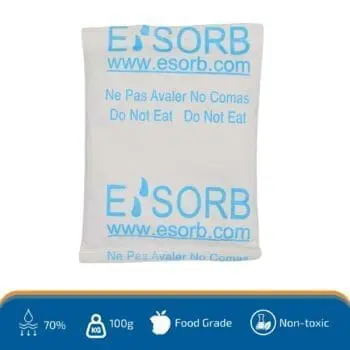
What is the Esorb® Mineral Desiccant 100g Tyvek used for?
The Esorb® Mineral Desiccant 100g Tyvek is designed for small packaging, cartons, electronics, and food-grade items that require high moisture absorption without direct contact with metal surfaces.
How much moisture can the Esorb® Mineral Desiccant 100g Tyvek absorb?
The Esorb® Mineral Desiccant 100g Tyvek can absorb up to 70% of its dry weight in moisture, providing greater performance than silica gel or clay-only desiccants.
Is the Esorb® Mineral Desiccant 100g Tyvek safe for food use?
Yes, the Esorb® Mineral Desiccant 100g Tyvek is food-grade, non-toxic, DMF-free, and safe for use near packaged food, pharmaceuticals, and textiles.
What are the advantages of using Esorb® Mineral Desiccant 100g Tyvek?
The Esorb® Mineral Desiccant 100g Tyvek is compact, eco-friendly, cost-effective, and suitable for inbox use where space is limited.
Mineral Desiccant 500g Tyvek
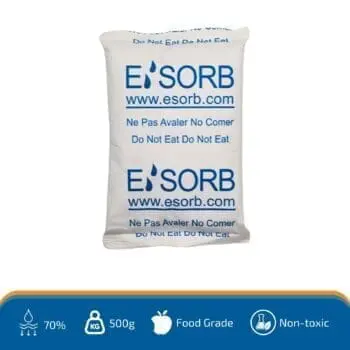
What is the Esorb® Mineral Desiccant 500g Tyvek designed for?
The Esorb® Mineral Desiccant 500g Tyvek is ideal for use in large cartons, crates, and export shipments where elevated moisture control is needed but full container desiccation is not required.
What is the absorption capacity of Esorb® Mineral Desiccant 500g Tyvek?
The Esorb® Mineral Desiccant 500g Tyvek can absorb up to 70% of its dry weight in moisture, making it highly effective for transit and long-term storage.
What materials are used in the Esorb® Mineral Desiccant 500g Tyvek?
The Esorb® Mineral Desiccant 500g Tyvek uses natural montmorillonite clay with approximately 10% calcium chloride to boost absorption.
Is Esorb® Mineral Desiccant 500g Tyvek safe and eco-friendly?
Yes, Esorb® Mineral Desiccant 500g Tyvek is DMF-free, non-toxic, biodegradable, and compliant for use around food, textiles, and pharmaceuticals.
Where can I buy Esorb® Mineral Desiccant 500g Tyvek in Australia?
Esorb® Mineral Desiccant 500g Tyvek is available through Protection Experts Australia. Contact us for bulk pricing and product recommendations.
Esorb Mineral Desiccant 1kg
What is the Mineral Desiccant 1kg Hanging (MD) used for?
The 1kg Mineral Desiccant Hanging (MD) is designed for
moisture control
in shipping containers, storage units, and sealed environments. It helps prevent
container rain
, mould, rust, and packaging damage by
absorbing excess humidity
during transit or long-term storage.
What is the active ingredient in the 1kg mineral desiccant?
This desiccant uses natural
activated clay
(bentonite) or
montmorillonite
, offering
environmentally friendly, non-toxic
moisture absorption. Some blends may also include
calcium chloride
for enhanced performance.
How much moisture can the 1kg mineral desiccant absorb?
The MD 2kg desiccant can absorb
up to 70% of its weight
in moisture, making it highly effective for
long-haul shipping
and
humid environments
.
How many 1kg MD desiccants are needed per shipping container?
For a
20-foot container
, 16 units are typically recommended. For a
40-foot container
, 32 units may be required depending on the
cargo type
,
destination climate
, and
transit duration
.
What are the advantages of using a hanging desiccant bag?
•
Saves floor space
• Allows for
even moisture distribution
• Keeps the desiccant
off the cargo
•
Easy to install
using container lashing rings or hooks
Is the 1kg mineral desiccant safe for use with food products?
Yes, MD desiccants are
non-toxic
,
DMF-free
, and
safe for use
around
packaged food
,
pharmaceuticals
,
electronics
,
textiles
, and
machinery
— making them ideal for a wide range of industries.
How long does the 1kg mineral desiccant remain effective?
Depending on
humidity levels
and
exposure time
, the MD 1kg can remain active for up to
90 days
, continuously absorbing moisture and maintaining low humidity inside the container.
Where can I buy the Mineral Desiccant 1kg in Australia?
You can purchase high-quality MD 1kg desiccants from
Protection Experts Australia
, a trusted supplier of
moisture protection
and
desiccant solutions
for shipping and storage.
Bulk pricing
and
freight advice
are available on request.
Esorb Mineral Desiccant 2kg
What is the Mineral Desiccant 2kg Hanging (MD) used for?
The 2kg Mineral Desiccant Hanging (MD) is designed for
moisture control
in shipping containers, storage units, and sealed environments. It helps prevent
container rain
, mould, rust, and packaging damage by
absorbing excess humidity
during transit or long-term storage.
What is the active ingredient in the 2kg mineral desiccant?
This desiccant uses natural
activated clay
(bentonite) or
montmorillonite
, offering
environmentally friendly, non-toxic
moisture absorption. Some blends may also include
calcium chloride
for enhanced performance.
How much moisture can the 2kg mineral desiccant absorb?
The MD 2kg desiccant can absorb
up to 70% of its weight
in moisture, making it highly effective for
long-haul shipping
and
humid environments
.
How many 2kg MD desiccants are needed per shipping container?
For a
20-foot container
, 8 units are typically recommended. For a
40-foot container
, 16 units may be required depending on the
cargo type
,
destination climate
, and
transit duration
.
What are the advantages of using a hanging desiccant bag?
•
Saves floor space
• Allows for
even moisture distribution
• Keeps the desiccant
off the cargo
•
Easy to install
using container lashing rings or hooks
Is the 2kg mineral desiccant safe for use with food products?
Yes, MD desiccants are
non-toxic
,
DMF-free
, and
safe for use
around
packaged food
,
pharmaceuticals
,
electronics
,
textiles
, and
machinery
— making them ideal for a wide range of industries.
How long does the 2kg mineral desiccant remain effective?
Depending on
humidity levels
and
exposure time
, the MD 2kg can remain active for up to
90 days
, continuously absorbing moisture and maintaining low humidity inside the container.
Where can I buy the Mineral Desiccant 2kg in Australia?
You can purchase high-quality MD 2kg desiccants from
Protection Experts Australia
, a trusted supplier of
moisture protection
and
desiccant solutions
for shipping and storage.
Bulk pricing
and
freight advice
are available on request.
Clay (Montmorillonite) Desiccant (MIL-D-3464)
GENERAL FAQ
Which desiccant is best suited for use in contact with metal or stainless steel?
Clay desiccant is the ideal choice, as it contains no calcium compounds. This avoids the risk of corrosion that can occur when chloride-based desiccants come into contact with metal or stainless steel surfaces.
What does MIL_D_3464E stand for?
MIL-D-3464E is a U.S. military specificationthat outlines the performance and packaging standards for desiccants. Our Esorb Clay desiccants meet these standards.
The clay desiccants are used to protect products from moisture during storage and shipment.Often required by the government and export contracts.
What are clay desiccants?
<span style="font-weight: 400;">Esorb® Clay Desiccants are moisture-absorbing products made from 100% natural montmorillonite clay, also known as bentonite. They are used to protect goods from humidity, mould, corrosion, and moisture-related damage during storage and transport. The are ideally used to protect metal, steel products. Esorb® Clay Desiccants are manufactured to comply with MIL-D-3464E. MIL-D-3464E is a U.S. military specification that outlines performance and packaging standards for desiccants.</span>
What sizes are available in the Esorb® Clay Desiccants range?
Esorb® Clay Desiccants are available in 1/3 Unit (11g), 1 Unit (33g), 4 Unit (132g), 8 Unit (264g), and 16 Unit (528g) formats. Each “unit” equals 33g of desiccant.
What is the Esorb MT-1/3 Unit Clay Desiccant used for?
The Esorb MT-1/3 Unit Clay Desiccant is used to prevent moisture damage in small cartons or boxes containing electronics, parts, or pharmaceuticals.
Clay Desiccant MT-1/3Unit (11g) Tyvek
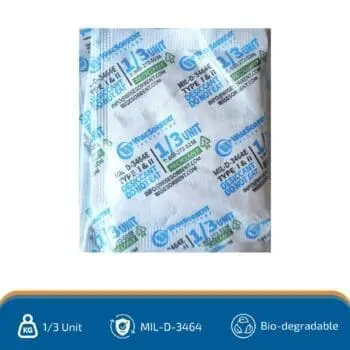
What sizes are available in the Esorb® Clay Desiccants range?
Esorb® Clay Desiccants are available in 1/3 Unit (11g), 1 Unit (33g), 4 Unit (132g), 8 Unit (264g), and 16 Unit (528g) formats. Each “unit” equals 33g of desiccant.
What is the Esorb MT-1/3 Unit Clay Desiccant used for?
The Esorb MT-1/3 Unit Clay Desiccant is used to prevent moisture damage in small cartons or boxes containing electronics, parts, or pharmaceuticals.
What is the absorption capacity of the Esorb MT-1/3 Unit Clay Desiccant?
The Esorb MT-1/3 Unit Clay Desiccant can absorb up to 20% of its dry weight in moisture.
What is inside the Esorb MT-1/3 Unit Clay Desiccant?
The Esorb MT-1/3 Unit Clay Desiccant contains 100% natural montmorillonite clay and is free from DMF and other harmful substances.
Is the Esorb MT-1/3 Unit Clay Desiccant eco-friendly?
Yes, the Esorb MT-1/3 Unit Clay Desiccant is non-toxic, biodegradable, and safe for general disposal.
What industries commonly use the Esorb MT-1/3 Unit Clay Desiccant?
The Esorb MT-1/3 Unit Clay Desiccant is widely used in the electronics, mechanical, food, pharmaceutical, and photographic sectors.
Clay Desiccant MT-1Unit (33g)Tyvek
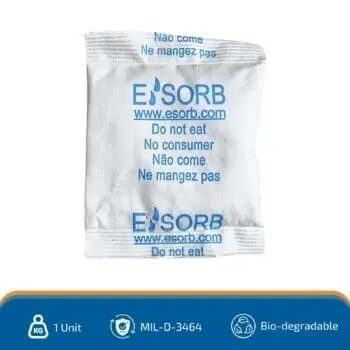
What sizes are available in the Esorb® Clay Desiccants range?
Esorb® Clay Desiccants are available in 1/3 Unit (11g), 1 Unit (33g), 4 Unit (132g), 8 Unit (264g), and 16 Unit (528g) formats. Each “unit” equals 33g of desiccant.
What is the Esorb MT-1 Unit Clay Desiccant used for?
The Esorb MT-1 Unit Clay Desiccant is designed to absorb moisture in medium-sized packaging applications, protecting cargo from mould and corrosion.
How much moisture can the Esorb MT-1 Unit Clay Desiccant absorb?
The Esorb MT-1 Unit Clay Desiccant can absorb up to 20% of its dry weight in moisture.
What makes the Esorb MT-1 Unit Clay Desiccant safe?
The Esorb MT-1 Unit Clay Desiccant is made from 100% clay, contains no DMF, and is safe for use with food and pharmaceuticals.
Is the Esorb MT-1 Unit Clay Desiccant certified?
Yes, the Esorb MT-1 Unit Clay Desiccant complies with MIL-D-3464 and certification is available upon request.
What industries commonly use the Esorb MT-1 Unit Clay Desiccant?
The Esorb MT-1 Unit Clay Desiccant is suitable for electronics, metals, food packaging, pharmaceuticals, and more.
Clay Desiccant MT-4Unit (132g) Tyvek
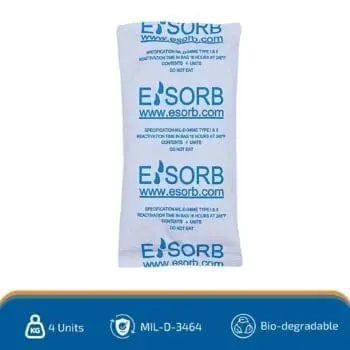
What sizes are available in the Esorb® Clay Desiccants range?
Esorb® Clay Desiccants are available in 1/3 Unit (11g), 1 Unit (33g), 4 Unit (132g), 8 Unit (264g), and 16 Unit (528g) formats. Each “unit” equals 33g of desiccant.
What is the Esorb MT-4 Unit Clay Desiccant designed for?
The Esorb MT-4 Unit Clay Desiccant is ideal for use in shipping crates and larger cartons where moisture control is critical.
How much moisture can the Esorb MT-4 Unit Clay Desiccant absorb?
The Esorb MT-4 Unit Clay Desiccant can absorb up to 20% of its dry weight.
What are the benefits of using the Esorb MT-4 Unit Clay Desiccant?
The Esorb MT-4 Unit Clay Desiccant is cost-effective, bio-degradable, MIL-Spec compliant, and non-toxic.
What packaging options are available for the Esorb MT-4 Unit Clay Desiccant?
The Esorb MT-4 Unit Clay Desiccant is available in Tyvek® or non-woven packaging.
Which industries use the Esorb MT-4 Unit Clay Desiccant?
The Esorb MT-4 Unit Clay Desiccant is used in the transport of mechanical equipment, food, pharmaceuticals, and electronics.
Clay Desiccant MT-8Unit (264g) Tyvek
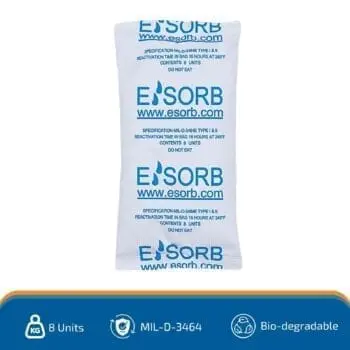
Is the Esorb MT-8 Unit Clay Desiccant reusable?
No, the Esorb MT-8 Unit Clay Desiccant is single-use and should be replaced once saturated.
What sizes are available in the Esorb® Clay Desiccants range?
Esorb® Clay Desiccants are available in 1/3 Unit (11g), 1 Unit (33g), 4 Unit (132g), 8 Unit (264g), and 16 Unit (528g) formats. Each “unit” equals 33g of desiccant.
What is the Esorb MT-8 Unit Clay Desiccant used for?
The Esorb MT-8 Unit Clay Desiccant is ideal for large-scale packaging and containerised cargo needing moisture protection.
Is the Esorb MT-8 Unit Clay Desiccant safe for food and pharmaceuticals?
Yes, the Esorb MT-8 Unit Clay Desiccant is non-toxic and safe for use near food, medical, and electronic products.
What makes the Esorb MT-8 Unit Clay Desiccant eco-friendly?
The Esorb MT-8 Unit Clay Desiccant is fully biodegradable and does not contain any hazardous materials like DMF.
How do I store the Esorb MT-8 Unit Clay Desiccant?
The Esorb MT-8 Unit Clay Desiccant is sealed in airtight PE bags and should remain sealed until use to ensure maximum performance.
Clay Desiccant MT-16Unit (528g) Tyvek
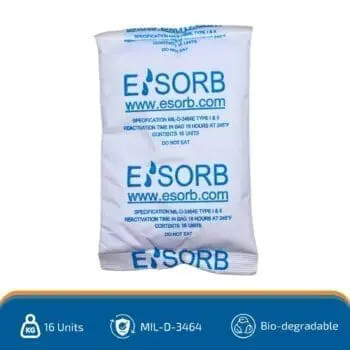
What is the Esorb MT-16 Unit Clay Desiccant designed for?
The Esorb MT-16 Unit Clay Desiccant is ideal for high-volume packaging, large crates, and industrial applications needing heavy-duty moisture absorption.
What are the main benefits of the Esorb MT-16 Unit Clay Desiccant?
The Esorb MT-16 Unit Clay Desiccant is cost-effective, non-toxic, MIL-D-3464 compliant, and 100% biodegradable.
Is the Esorb MT-16 Unit Clay Desiccant easy to dispose of?
Yes, the Esorb MT-16 Unit Clay Desiccant is biodegradable and can be safely disposed of with standard waste.
How should I store the Esorb MT-16 Unit Clay Desiccant before use?
Keep the Esorb MT-16 Unit Clay Desiccant sealed in its original airtight packaging until it’s ready for use.
What industries benefit most from the Esorb MT-16 Unit Clay Desiccant?
The Esorb MT-16 Unit Clay Desiccant is used across logistics, machinery, food processing, electronics, and pharmaceuticals.
What sizes are available in the Esorb® Clay Desiccants range?
Esorb® Clay Desiccants are available in 1/3 Unit (11g), 1 Unit (33g), 4 Unit (132g), 8 Unit (264g), and 16 Unit (528g) formats. Each “unit” equals 33g of desiccant.
Gel Desiccant
100g High Absorption Indicating Gel Pouch
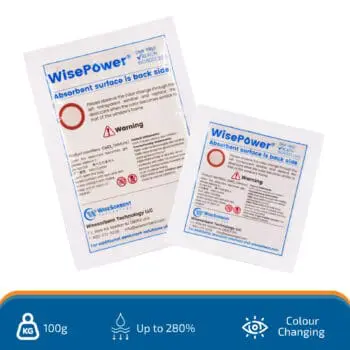
How does WiseGel Indicating High Absorption Desiccant reduce shipping costs?
What is WiseGel Indicating High Absorption Desiccant used for?
It is designed for demanding environments like cargo containers and large-scale storage. It combines high-performance calcium chloride with diatomaceous earth, offering superior moisture absorption. Its visual indicator changes color as it nears capacity, allowing easy monitoring and timely replacement.
50g High Absorption Indicating Gel Pouch
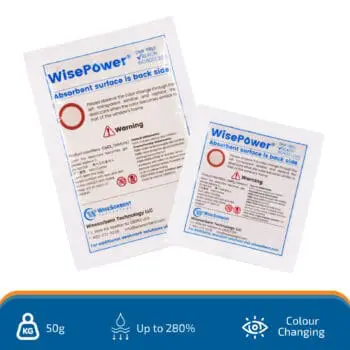
How does WiseGel Indicating High Absorption Desiccant reduce shipping costs?
What is WiseGel Indicating High Absorption Desiccant used for?
It is designed for demanding environments like cargo containers and large-scale storage. It combines high-performance calcium chloride with diatomaceous earth, offering superior moisture absorption. Its visual indicator changes color as it nears capacity, allowing easy monitoring and timely replacement.
Pro-Ex Gel 1kg Container Shipping Desiccant (8pcs/CTN)
Is gel desiccant better than mineral desiccant for shipping containers?
Gel desiccants can offer significant advantages over mineral desiccants, particularly for shipping containers exposed to high humidity and changing temperatures.
PGel-1kg absorbs up to 300% of its own weight in moisture, compared with up to 70% for our mineral desiccant range.
This means PGel-1kg offers more than four times the maximum moisture absorption capacity per kilogram.
Its higher capacity can mean fewer bags to install, lower labour costs, less handling and less waste to dispose of after shipping.
Mineral desiccants can still be a suitable option depending on the cargo, budget and environmental requirements.
How do I install PGel-1kg desiccants in a shipping container?
PGel-1kg desiccants are quick and easy to install using their convenient hanging hooks.
- Calculate the quantity required: As a general guide, use 4–6 bags for a 20ft container or 8–10 bags for a 40ft container, depending on cargo and shipping conditions.
- Remove the outer packaging: Take each PGel-1kg bag out of its airtight protective packaging immediately before installation. Do not cut or open the inner desiccant bag.
- Hang the desiccants: Use the attached hooks to hang the bags vertically from the upper lashing points along the container's sidewalls.
- Distribute evenly: Space the bags throughout the container to maximise moisture absorption, ensuring they are not covered, crushed or obstructed by cargo.
- Close and seal the container: Once loading and installation are complete, close the doors promptly to minimise exposure to outside humidity.
Pro-Ex Tip: PGel-1kg absorbs up to 300% of its own weight in moisture (up to 3 litres per bag). Its high absorption capacity means fewer bags may be required compared with lower-capacity desiccants, saving installation time and labour costs.
Pro-Ex Gel 500g Container Shipping Desiccant
Can Pro-Ex Gel 500g leak or damage my cargo?
Pro-Ex Gel 500g is designed to minimise leakage by transforming absorbed moisture into a gel rather than allowing free liquid to accumulate.
Its durable, moisture-permeable packaging helps retain absorbed moisture inside the bag.
For best results, hang desiccants securely, keep them away from sharp objects and avoid crushing or placing them directly against cargo.
While the gel formulation reduces leakage risks, damaged or punctured bags may still leak.
Is gel desiccant better than mineral desiccant for shipping containers?
Exploring the Gel desiccant benefits can provide insights into its superior moisture management capabilities.
High-performance gel desiccants such as Pro-Ex Gel 500g can offer significant advantages over lower-capacity mineral desiccants.
Pro-Ex Gel 500g absorbs up to 300% of its own weight in moisture, compared with up to 70% for the mineral desiccant in our range.
This means Pro-Ex Gel offers approximately 4.3 times the maximum moisture absorption capacity per kilogram.
Its higher absorption capacity can mean:
- Fewer desiccant bags required per container.
- Reduced installation time and labour costs.
- Less handling and removal at the destination.
- Less material requiring disposal after shipping.
Pro-Ex Gel also converts absorbed moisture into a gel, helping minimise the risk of liquid leakage and cargo damage.
How do I install Pro-Ex Gel 500g desiccants in my shipping container?
Essential Steps for Installing Desiccant Guide
This installing desiccant guide explains how to use Pro-Ex Gel 500g desiccants quickly and easily with their convenient hanging hooks.
- Calculate the quantity required: As a general guide, use 8–12 bags for a 20ft container or 16–20 bags for a 40ft container.
- Remove the outer packaging: Take each desiccant bag out of its airtight protective packaging immediately before installation. Do not cut or open the inner desiccant bag.
- Hang the desiccants: Use the attached hooks to hang the bags vertically from the upper lashing points along the container's sidewalls.
- Distribute evenly: Space the bags throughout the container, ensuring they are not covered, crushed or obstructed by cargo.
- Close and seal the container: Once loading and installation are complete, close the doors promptly to minimise exposure to outside humidity.
Pro-Ex Tip: Each 500g bag absorbs up to 300% of its own weight in moisture (up to 1.5 litres), helping provide effective moisture protection with fewer bags than some lower-capacity alternatives.
How do I prepare my shipping container before installing desiccants?
Proper container preparation helps minimise moisture damage and prevent container rain during shipping. Here's how to prepare for a shipping container.
Before loading your cargo:
- Inspect for leaks: Check the roof, walls, doors and rubber seals for holes, cracks or damage that could allow water to enter.
- Ensure the container is clean and dry: Remove any standing water, condensation, dirt or damp materials.
- Check cargo and pallets: Ensure goods, packaging and wooden pallets are dry, as excess moisture can be released during transit.
- Check ventilation openings: Where appropriate, seal vents to minimise humid outside air entering the container. Always follow cargo and shipping line ventilation requirements.
Pro-Ex Tip: Even a dry container can develop condensation during shipping due to temperature fluctuations. Proper preparation, combined with Pro-Ex Gel 500g desiccants, helps reduce the risk of container rain, mould and moisture damage.
How many Pro-Ex Gel 500g desiccant bags do I need for a 20ft or 40ft shipping container?
The recommended desiccant quantity depends on the container size, cargo type, moisture levels, and shipping conditions.
- 20ft shipping container: 8 bags for dry cargo or up to 12 bags for moisture-sensitive or higher-moisture cargo.
- 40ft shipping container: 16 bags for dry cargo or up to 20 bags for higher-moisture cargo.
- High-humidity shipments: Additional bags may be required depending on the destination and voyage duration.
Each Pro-Ex Gel 500g bag can absorb up to 1.5 litres of moisture, providing powerful moisture protection while potentially reducing the number of bags needed compared with lower-capacity desiccants.
Understanding the desiccant quantity needed is crucial for effective moisture control during shipping.
Pro-Ex Gel 1kg Container Shipping Desiccant
Is gel desiccant better than mineral desiccant for shipping containers?
Gel desiccants can offer significant advantages over mineral desiccants, particularly for shipping containers exposed to high humidity and changing temperatures.
PGel-1kg absorbs up to 300% of its own weight in moisture, compared with up to 70% for our mineral desiccant range.
This means PGel-1kg offers more than four times the maximum moisture absorption capacity per kilogram.
Its higher capacity can mean fewer bags to install, lower labour costs, less handling and less waste to dispose of after shipping.
Mineral desiccants can still be a suitable option depending on the cargo, budget and environmental requirements.
How do I install PGel-1kg desiccants in a shipping container?
PGel-1kg desiccants are quick and easy to install using their convenient hanging hooks.
- Calculate the quantity required: As a general guide, use 4–6 bags for a 20ft container or 8–10 bags for a 40ft container, depending on cargo and shipping conditions.
- Remove the outer packaging: Take each PGel-1kg bag out of its airtight protective packaging immediately before installation. Do not cut or open the inner desiccant bag.
- Hang the desiccants: Use the attached hooks to hang the bags vertically from the upper lashing points along the container's sidewalls.
- Distribute evenly: Space the bags throughout the container to maximise moisture absorption, ensuring they are not covered, crushed or obstructed by cargo.
- Close and seal the container: Once loading and installation are complete, close the doors promptly to minimise exposure to outside humidity.
Pro-Ex Tip: PGel-1kg absorbs up to 300% of its own weight in moisture (up to 3 litres per bag). Its high absorption capacity means fewer bags may be required compared with lower-capacity desiccants, saving installation time and labour costs.
How does Pro-Ex Gel 1kg work?
Pro-Ex Gel 1kg works by:
1.
Absorbing Humidity from the Air
– Capturing excess moisture inside the shipping container, Pro-Ex Gel 1kg absorbs up to 300% of its weight.
2.
Transforming Moisture into Gel
– Converting moisture into a gel to prevent leakage and re-evaporation.
3.
Keeping Cargo Dry
– Providing long-lasting protection throughout the shipping journey, preventing mould, rust, corrosion, and packaging damage caused by condensation.
Why use the Pro-Ex Gel 1kg Hanging Desiccant?
The Pro-Ex Gel 1kg Hanging Desiccant is quick and easy to install, remove, and dispose of. It makes efficient use of space within a container, offers a superior absorption rate, and contains no toxic materials.
How many Pro-Ex Gel 1kg bags do you need in a shipping container?
For a 20ft shipping container, use 4 units for dry cargo or 6 units for wet cargo.
For a 40ft shipping container, use 8 units for dry cargo or 10 units for wet cargo.
For high-humidity shipments, additional Pro-Ex Gel 1kg units may be required for extra protection.
What temperatures can the Pro-Ex Gel 1kg perform at?
The Pro-Ex Gel 1kg Container and Shipping Desiccant can be used in temperatures ranging from -5°C to +90°C.
How many Pro-Ex Gel 1kg bags come packed in a carton?
Each carton contains 10 Pro-Ex Gel 1kg desiccant bags. Every bag is individually packed in an airtight polypropylene bag.
What is the shelf life of the Pro-Ex Gel 1kg?
The Pro-Ex Gel 1kg has a shelf life of 24 months from the date of delivery when stored in a dry, controlled temperature environment.
Can Pro-Ex Gel 1kg leak or damage cargo?
No. Pro-Ex Gel 1kg is designed with a leak-proof system. Once moisture is absorbed, it is converted into a gel, preventing leaks or spills and ensuring cargo remains safe and dry throughout transit.
Pro-Ex Gel 125g Pouch Desiccant
What is the Pro-Ex Gel 125g pouch desiccant used for?
The Pro-Ex Gel 125g pouch is designed to absorb moisture and humidity from the surrounding environment. Pro-Ex Gel 125g is commonly used in shipping containers, storage units, electronics packaging, furniture, textiles, pharmaceuticals, and other moisture-sensitive goods.
How long does the Pro-Ex Gel 125g desiccant remain effective?
In a sealed environment, the Pro-Ex Gel 125g pouch can remain effective for several weeks or months. In open or humid environments, its lifespan will be shorter. Pro-Ex Gel 125g is best used in enclosed or semi-enclosed spaces.
What is inside the Pro-Ex Gel 125g pouch?
Pro-Ex Gel 125g pouches typically contain silica gel, calcium chloride, or a combination with a starch binder, depending on your selected variant. These materials are non-toxic and safe for most applications, though not for ingestion.
Is the Pro-Ex Gel 125g pouch reusable?
Standard Pro-Ex Gel 125g pouches are not reusable. Once saturated, they should be disposed of properly. Protection Experts also offers reusable silica gel desiccants—contact us for details.
How many Pro-Ex Gel 125g pouches do I need?
As a guideline, you need 250g of Pro-Ex Gel desiccant for every cubic metre of space. Adjust quantities based on humidity levels, cargo type, and storage duration.
Absorgel 1kg Container Desiccant
What is Absorgel 1kg used for?
Absorgel 1kg is a container desiccant used to protect goods from moisture damage during shipping and storage. Absorgel 1kg prevents issues like container rain, mould growth, rust, and packaging degradation by absorbing excess humidity inside sealed environments.
What makes Absorgel 1kg carbon neutral?
Absorgel 1kg is part of a sustainably produced moisture protection range. The product’s carbon emissions - across manufacturing, transport, and disposal - are measured and offset through verified carbon credits, making Absorgel 1kg a certified carbon neutral desiccant.
How much moisture can Absorgel 1kg absorb?
Each Absorgel 1kg unit can absorb up to 300% to 350% of its weight in moisture, making Absorgel 1kg highly effective for long-duration shipments or goods traveling through high-humidity climates.
How many Absorgel 1kg units do I need per container?
For a standard 20-foot shipping container, it is recommended to use 3 to 5 Absorgel 1kg units, depending on the type of cargo, climate, and duration of transit.
What types of cargo is Absorgel 1kg suitable for?
Absorgel 1kg is safe and effective for a wide range of cargo including
furniture,
textiles,
machinery
electronics,
food products (non-contact)
automotive parts.
Is Absorgel 1kg safe to use with food products?
Yes. Absorgel 1kg has a food compliance certificate and is safe for use in containers carrying packaged food. The materials are non-toxic and enclosed in a leak-proof design for clean handling.
How long does Absorgel 1kg remain effective?
Absorgel 1kg can remain active for up to 90 days, depending on ambient humidity and container conditions. It continues absorbing moisture until its full capacity is reached.
Where can I buy Absorgel 1kg desiccants in Australia?
You can purchase Absorgel 1kg through Protection Experts Australia, a trusted supplier of container moisture protection and shipping desiccants. Contact Protection Experts Australia for bulk orders or product recommendations.
Home Essentials
GENERAL FAQ
What are Home Absorbers used for?
Home Absorbers are designed to reduce moisture, odours, and mould in enclosed spaces like wardrobes, pantries, storage rooms, basements, bathrooms, and garages. They help protect clothing, documents, tools, and household goods from humidity damage.
How do Home Absorbers work?
Home Absorbers contain active desiccant materials such as calcium chloride or silica gel, which adsorb excess moisture from the air. Some products convert moisture into a gel to prevent leaks, while oxygen absorbers specifically target oxygen to prolong food storage life.
Where should I use Home Absorbers in my home?
Home Absorbers can be used in wardrobes, cupboards, pantries, bathrooms, basements, storage rooms, garages, laundry rooms, and inside storage boxes or display cabinets. They are especially useful in areas prone to dampness and mould.
Are Home Absorbers safe to use around food?
Yes. Silica gel (orange variant) and oxygen absorbers are food-safe and commonly used for packaging dried foods, coffee, seeds, and pet food. Hanging absorbers and calcium chloride-based products should not come into direct contact with food but can be placed nearby to control moisture.
How long do Home Absorbers last?
The lifespan depends on the product type, room size, and humidity levels. Hanging absorbers may last 4–8 weeks, silica gel can be reactivated and reused several times, and oxygen absorbers last until they have fully absorbed oxygen after sealing.
How will I know when to replace a Home Absorber?
Indicating silica gel changes colour (orange → green or blue → pink) when saturated. Hanging absorbers and pouches become visibly swollen or filled with liquid/gel. Oxygen absorbers harden once spent.
Can Home Absorbers be reused?
Oxygen absorbers and calcium chloride-based absorbers are single-use. Silica gel absorbers, however, can be reactivated by heating in an oven and reused up to 3 times.
How do I dispose of Home Absorbers?
Spent silica gel and calcium chloride absorbers can be disposed of in household rubbish if used for standard moisture absorption. If silica gel has been used for industrial gas separation, it must be disposed of at an authorised waste facility. Oxygen absorbers can also be discarded with household waste once spent.
Are Home Absorbers environmentally friendly?
Kraft pouches and some storage pouches are biodegradable and recyclable. Calcium chloride and silica gel are non-toxic, while packaging components (plastic or laminated films) can often be recycled depending on local facilities.
100g High Absorption Indicating Gel Pouch
How does WiseGel Indicating High Absorption Desiccant reduce shipping costs?
What is WiseGel Indicating High Absorption Desiccant used for?
It is designed for demanding environments like cargo containers and large-scale storage. It combines high-performance calcium chloride with diatomaceous earth, offering superior moisture absorption. Its visual indicator changes color as it nears capacity, allowing easy monitoring and timely replacement.
50g High Absorption Indicating Gel Pouch
How does WiseGel Indicating High Absorption Desiccant reduce shipping costs?
What is WiseGel Indicating High Absorption Desiccant used for?
It is designed for demanding environments like cargo containers and large-scale storage. It combines high-performance calcium chloride with diatomaceous earth, offering superior moisture absorption. Its visual indicator changes color as it nears capacity, allowing easy monitoring and timely replacement.
Pro-Ex Gel 125g Pouch Desiccant
What is the Pro-Ex Gel 125g pouch desiccant used for?
The Pro-Ex Gel 125g pouch is designed to absorb moisture and humidity from the surrounding environment. Pro-Ex Gel 125g is commonly used in shipping containers, storage units, electronics packaging, furniture, textiles, pharmaceuticals, and other moisture-sensitive goods.
How long does the Pro-Ex Gel 125g desiccant remain effective?
In a sealed environment, the Pro-Ex Gel 125g pouch can remain effective for several weeks or months. In open or humid environments, its lifespan will be shorter. Pro-Ex Gel 125g is best used in enclosed or semi-enclosed spaces.
What is inside the Pro-Ex Gel 125g pouch?
Pro-Ex Gel 125g pouches typically contain silica gel, calcium chloride, or a combination with a starch binder, depending on your selected variant. These materials are non-toxic and safe for most applications, though not for ingestion.
Is the Pro-Ex Gel 125g pouch reusable?
Standard Pro-Ex Gel 125g pouches are not reusable. Once saturated, they should be disposed of properly. Protection Experts also offers reusable silica gel desiccants—contact us for details.
How many Pro-Ex Gel 125g pouches do I need?
As a guideline, you need 250g of Pro-Ex Gel desiccant for every cubic metre of space. Adjust quantities based on humidity levels, cargo type, and storage duration.
Home Hanging Absorber (440g) with Hook
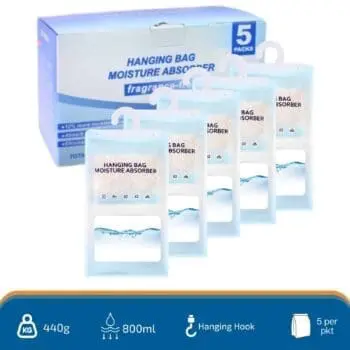
What is the Home Hanging Moisture Absorber used for?
The Home Hanging Moisture Absorber is designed to reduce excess humidity and eliminate musty odours in enclosed spaces like wardrobes, bathrooms, pantries, storage areas, and garages.
How does the Home Hanging Moisture Absorber work?
The Home Hanging Moisture Absorber uses 440g of premium calcium chloride crystals combined with nano moisture-locking paper to absorb airborne moisture. The trapped water collects in the lower chamber, holding up to 800ml of liquid.
How long does the Home Hanging Moisture Absorber last?
Depending on humidity and temperature levels, the Home Hanging Moisture Absorber lasts up to 60 days before needing replacement.
Where should I place the Home Hanging Moisture Absorber?
The Home Hanging Moisture Absorber can be hung in wardrobes, cupboards, bathrooms, laundry areas, kitchens, pantries, storage rooms, basements, caravans, or any other enclosed space.
How do I dispose of the Home Hanging Moisture Absorber once full?
When the bottom chamber of the Home Hanging Moisture Absorber is full, snip the corner carefully and pour the brine solution down a household drain. Rinse with water, wash your hands, and dispose of the empty bag in normal household waste.
Is the Home Hanging Moisture Absorber safe to use?
Yes, the Home Hanging Moisture Absorber is fragrance-free, eco-friendly, and requires no electricity, making it safe and convenient for daily home use.
Humidity Indicator Card
GENERAL FAQ
What is a Humidity Indicator Card?
A Humidity Indicator Card is a simple paper-based tool that changes colour to show the relative humidity inside sealed packaging or storage environments.
Why use a Humidity Indicator Card with desiccants?
Humidity Indicator Cards work alongside desiccants to confirm that moisture levels remain controlled, giving users visible proof that the packaging environment is protected.
How accurate are Humidity Indicator Cards?
Humidity Indicator Cards provide a reliable visual indication of relative humidity but should be used as a guide, not a precision instrument.
Can Humidity Indicator Cards be reused?
No. Once exposed to moisture and the colour change occurs, a Humidity Indicator Card should be replaced for continued accuracy.
Where are Humidity Indicator Cards commonly used?
They are widely used in electronics, medical device packaging, aerospace, and any industry where humidity control and monitoring are critical.
HIC 6 spot
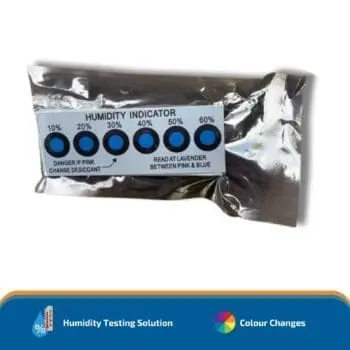
What does the Humidity Indicator Card do?
The Humidity Indicator Card provides a simple and visual way to monitor the relative humidity inside sealed packaging or containers.
How does the Humidity Indicator Card work?
The Humidity Indicator Card features blue dots that turn pink when the corresponding humidity level has been reached, offering a quick and reliable humidity check.
What humidity levels are shown on the Humidity Indicator Card?
The Humidity Indicator Card typically shows a range of increasing humidity percentages (e.g. 10%, 20%, 30%, etc.), though specific levels may vary by card batch.
How is the Humidity Indicator Card packaged?
The Humidity Indicator Card is vacuum-sealed in packs of 25 to preserve accuracy and extend shelf life.
Is the Humidity Indicator Card reusable?
No. The Humidity Indicator Card is intended for single-use monitoring. Once exposed and the dots change colour, it should be replaced.
Where should the Humidity Indicator Card be used?
The Humidity Indicator Card is ideal for use in conjunction with desiccants and moisture barrier bags for electronics, medical supplies, and sensitive equipment packaging.
Container Accessories
Battery Dunnage Bag Inflator with Tube
What replacement battery can I use with the Dunnage Bag Portable Inflator?
A Makita 18V battery is a suitable replacement battery for the Dunnage Bag Portable Inflator.
Dunnage Bag Inflator Gun
What is a Dunnage Bag Inflator Gun used for?
A Dunnage Bag Inflator Gun is used to quickly and safely inflate dunnage bags with compressed air. It ensures the bags reach the correct pressure for optimal cargo stabilisation.
How do I connect the Inflator Gun?
The Dunnage Bag Inflator Gun attaches directly to the bag’s valve and connects to a compressed air supply. It provides a fast airflow for efficient inflation.
Is the Inflator Gun compatible with all Dunnage Bags?
Yes. The Dunnage Bag Inflator Gun is designed to fit standard bag valves used in the 90 × 120 cm, 90 × 180 cm, and 90 × 210 cm dunnage bags.
Does the Inflator Gun control air pressure?
The inflator allows you to control the airflow to prevent over-inflation, ensuring the bag fills properly without risk of bursting.
Mini Container Bolt Seal VI
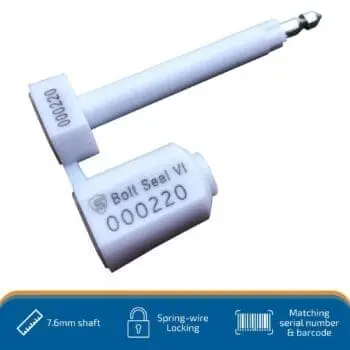
What is the Mini Container Bolt Seal VI used for?
The Mini Container Bolt Seal VI is designed for domestic transportation and general cargo security, such as trucks, tankers, trailers, rail freight, and air freight containers. It provides a tamper-evident seal where high tensile strength is not required.
Is the Mini Container Bolt Seal VI ISO 17712:2013 compliant?
No. The Mini Container Bolt Seal VI is not ISO 17712:2013 compliant and is not suitable for international container exports that require certified high-security seals. For exports to the US or Europe, the High Security Bolt Seal is required.
What material is the Mini Container Bolt Seal VI made from?
The Mini Container Bolt Seal VI is manufactured with a hardened carbon steel pin encased in ABS plastic for weather resistance. It features a spring wire locking mechanism for added strength.
What are the technical specifications of the Mini Container Bolt Seal VI?
The Mini Container Bolt Seal VI has a total length of 79 mm, locking length of 45 mm, bolt diameter of 5 mm, nut diameter of 15 mm, tensile strength of 240 kg, and shear strength of 300 kg.
How is tampering prevented with the Mini Container Bolt Seal VI?
The Mini Container Bolt Seal VI includes dual numbering (on both pin and nut), an anti-spin feature to prevent manipulation, and an anti-cut feature that stops attempts to cut the pin close to the locking chamber.
How do I apply and remove the Mini Container Bolt Seal VI?
The Mini Container Bolt Seal VI can be applied easily by hand without tools. Removal requires a bolt cutter, ensuring only authorised access.
Can the Mini Container Bolt Seal VI be customised?
Yes. The Mini Container Bolt Seal VI can be customised with sequential numbering, logos, or text to enhance security and brand visibility.
Economical Container Bolt Seal
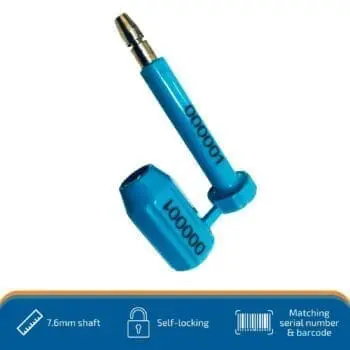
Can the Economical Container Bolt Seal be customised?
Yes. The Economical Container Bolt Seal can be customised with your company logo, name, sequential numbering (up to 6 digits), or other artwork for branding and enhanced tamper resistance.
What is the Economical Container Bolt Seal used for?
The Economical Container Bolt Seal is designed for securing domestic freight, bulk tankers, trailers, and containers where a strong seal is required, but international ISO17712 certification is not necessary.
Is the Economical Container Bolt Seal ISO certified?
No. The Economical Container Bolt Seal is not ISO17712:2013 certified. It is intended for domestic use only, unlike the High Security Container Bolt Seal which is compliant for export.
What tamper-evident features does the Economical Container Bolt Seal have?
The Economical Container Bolt Seal includes dual serial numbers on pin and nut, an anti-spin plastic moulded shaft, and an anti-cut feature that prevents tampering attempts from being hidden.
What are the technical specifications of the Economical Container Bolt Seal?
The Economical Container Bolt Seal has a total length of 85 mm, a shaft and nut made from carbon steel with ABS coating, tensile strength of 1,100 kg, and shear strength of 1,100 kg. It features a 7.6 mm narrow shaft for tight spaces and can only be removed with a bolt cutter.
How do I apply and remove the Economical Container Bolt Seal?
The Economical Container Bolt Seal has a self-locking design that can be applied by hand without tools. To remove, a bolt cutter must be used, ensuring security and controlled access.
High Security Container Bolt Seal II
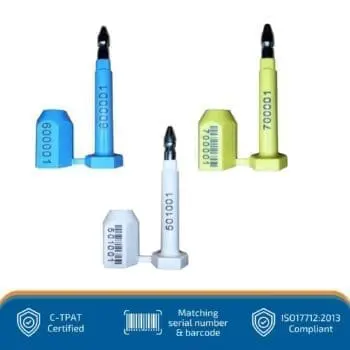
What is the High Security Container Bolt Seal II used for?
The High Security Container Bolt Seal II is designed to secure shipping containers, bulk tankers, railcars, courier vans, and other cargo transport equipment where maximum barrier resistance is required.
Is the High Security Container Bolt Seal II ISO certified?
Yes. The High Security Container Bolt Seal II is ISO17712:2013 compliant and C-TPAT certified, making it suitable for international container exports to the United States, Europe, and other regulated destinations.
What tamper-evident features does the High Security Container Bolt Seal II have?
The High Security Container Bolt Seal II includes dual numbering on both pin and nut, an anti-spin oval shaft to prevent manipulation, and security ribs that prevent hiding evidence of cutting near the locking chamber.
What are the technical specifications of the High Security Container Bolt Seal II?
The High Security Container Bolt Seal II features a hardened carbon steel pin, ABS plastic body, spring wire locking mechanism, tensile strength of 1,150 kg, shear strength of 300 kg, total length of 88 mm, and a bolt diameter of 10 mm.
How do I apply and remove the High Security Container Bolt Seal II?
The High Security Container Bolt Seal II can be applied by hand without tools thanks to its self-locking mechanism. Removal requires a bolt cutter, ensuring only authorised personnel can open it.
Can the High Security Container Bolt Seal II be customised?
Yes. The High Security Container Bolt Seal II can be customised with sequential numbering, company logos, text, or even 2D/QR barcodes for added security and branding.
Dunnage Bag Inflator Tube
What is a Dunnage Bag Inflator Tube?
A Dunnage Bag Inflator Tube is an alternative inflation tool designed for simple, low-volume use when a full inflator gun is not required.
When should I use the Inflator Tube instead of the Inflator Gun?
The Inflator Tube is suitable for manual or occasional use where a fast-flow gun is not necessary. For frequent or large-scale use, the Inflator Gun is recommended.
Is the Inflator Tube compatible with all Dunnage Bags?
Yes. The Dunnage Bag Inflator Tube connects to the same valves used on standard Dunnage Bags.
Does the Inflator Tube require compressed air?
Yes. The Dunnage Bag Inflator Tube still requires a compressed air source but delivers air at a lower flow rate compared to the Inflator Gun.
Cargo Net with Cam Buckles – 2.2m
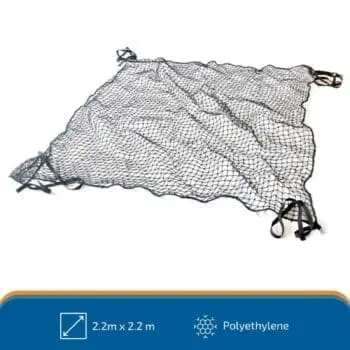
What are Cargo Nets used for?
Cargo Nets are used in transport and shipping for vertical and horizontal cargo containment. They are commonly fitted inside shipping container doors to prevent loose cargo from falling out and causing harm when the doors are opened.
How are Cargo Nets installed?
Cargo Nets come with four corner straps and cam buckles, allowing for quick and easy fitting and tensioning inside shipping containers or other cargo spaces.
What size are the Cargo Nets?
Each Cargo Net measures 2.2m square and comes with 1.5m cam buckle ties on each corner for secure attachment.
What material are Cargo Nets made from?
Cargo Nets are manufactured from strong, durable polyethylene designed for reliable containment of a wide variety of cargo.
Are Cargo Nets load rated?
No, Cargo Nets are not load rated and should not be used as a primary load restraint. They are intended as a safety barrier and containment aid only.
What types of cargo can Cargo Nets contain?
Thanks to their close weave design, Cargo Nets can help contain a wide range of loose-loaded cargo such as boxes, bags, or mixed freight inside shipping containers.
Compressed Wood Pallets | 1160 x 1160 x 125mm
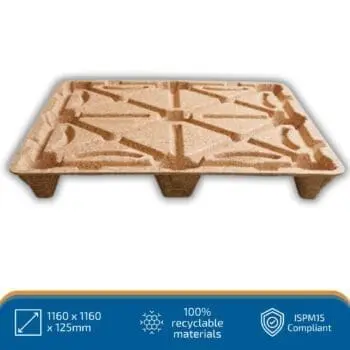
What are Compressed Wood Pallets made from?
Compressed Wood Pallets are manufactured from 100% recycled wood waste, such as sawdust, shavings, and scrap wood, bonded with resin under high heat and pressure.
Are Compressed Wood Pallets ISPM15 compliant?
Yes, Compressed Wood Pallets are ISPM15 compliant, meaning they meet international export regulations designed to prevent the spread of pests and diseases through wood packaging.
What are the size and weight specifications of Compressed Wood Pallets?
Each Compressed Wood Pallet measures 1160 × 1160 × 125 mm (+/− 3%) and weighs approximately 18 kg (+/− 2%).
What is the load capacity of Compressed Wood Pallets?
Compressed Wood Pallets have a static load rating of 6,500 kg and a dynamic load rating of 2,000 kg under unified load conditions.
How many entry points do Compressed Wood Pallets have?
Compressed Wood Pallets feature 2 entry points, making them suitable for forklifts and pallet jacks when loading or unloading.
Are Compressed Wood Pallets reusable?
Yes, Compressed Wood Pallets are durable and reusable, providing a cost-effective and sustainable solution for logistics and transport.
How do Compressed Wood Pallets save space and reduce freight costs?
Compressed Wood Pallets are nestable and stackable, allowing them to be stored efficiently and transported with reduced freight costs.
What industries use Compressed Wood Pallets?
Compressed Wood Pallets are widely used in logistics, transport, retail, food, pharmaceuticals, manufacturing, and other industries where sustainable and durable pallets are required.
Eco-Friendly Compressed Wood Pallets | 1100 x 1100 x 130mm
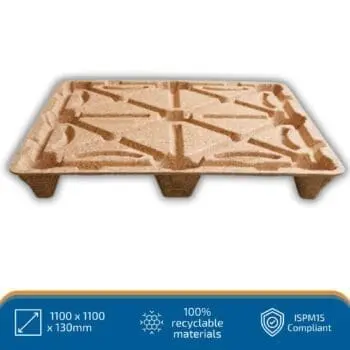
What are Eco-Friendly Compressed Wood Pallets made from?
Eco-Friendly Compressed Wood Pallets are manufactured from 100% recycled wood waste, including sawdust, shavings, and other by-products, bonded with resin and compressed under high heat and pressure.
Are Eco-Friendly Compressed Wood Pallets ISPM15 compliant?
Yes, Eco-Friendly Compressed Wood Pallets are ISPM15 compliant, meaning they meet export regulations to prevent the spread of pests and diseases through wood packaging.
What is the load capacity of Eco-Friendly Compressed Wood Pallets?
Eco-Friendly Compressed Wood Pallets have a static load rating of up to 6,500 kg and a dynamic load rating of up to 2,000 kg under unified load conditions.
What are the size and weight specifications of Eco-Friendly Compressed Wood Pallets?
Each Eco-Friendly Compressed Wood Pallet measures 1100 × 1100 × 130 mm (+/− 3%) and weighs approximately 18 kg (+/− 2%).
How do Eco-Friendly Compressed Wood Pallets help save space and costs?
Eco-Friendly Compressed Wood Pallets are nestable, meaning they can be stacked inside one another to reduce storage requirements and lower freight costs during return or storage.
How many entry points do Eco-Friendly Compressed Wood Pallets have?
Eco-Friendly Compressed Wood Pallets feature four entry points, allowing forklifts and pallet jacks to pick them up from any direction for easy handling.
Are Eco-Friendly Compressed Wood Pallets reusable?
Yes, Eco-Friendly Compressed Wood Pallets are highly durable, reusable, and designed to withstand repeated use, making them a sustainable and cost-effective option.
What industries typically use Eco-Friendly Compressed Wood Pallets?
Eco-Friendly Compressed Wood Pallets are widely used across logistics, transport, retail, food, pharmaceuticals, manufacturing, and export industries where sustainable packaging is preferred.
Dunnage Woven Bag 90cm x 120cm
What is the Dunnage Bag 90 × 120 cm used for?
The Dunnage Bag 90 × 120 cm is designed for filling small to medium voids in shipping containers, trucks, or rail cars, preventing cargo from shifting during transit.
How strong is the Dunnage Bag 90 × 120 cm?
The Dunnage Bag 90 × 120 cm is made from durable polypropylene with a leak-proof inner bladder, providing reliable strength for most medium-weight cargo.
Can the Dunnage Bag 90 × 120 cm be reused?
Yes. The Dunnage Bag 90 × 120 cm can be reused if it is free from punctures or valve damage.
Dunnage Woven Bag 90cm x 180cm
What is the Dunnage Bag 90 × 180 cm used for?
The Dunnage Bag 90 × 180 cm is suitable for medium to large voids in shipping containers and trucks, offering reliable stability for bulkier loads.
How durable is the Dunnage Bag 90 × 180 cm?
The Dunnage Bag 90 × 180 cm features a woven polypropylene outer layer and high-quality valve system, ensuring strength and long-lasting performance.
Can I use the Dunnage Bag 90 × 180 cm more than once?
Yes. The Dunnage Bag 90 × 180 cm can be reused when properly deflated and stored, provided there is no visible damage.
Dunnage Woven Bag 90cm x 210cm
What is the Dunnage Bag 90 × 210 cm designed for?
The Dunnage Bag 90 × 210 cm is ideal for securing large cargo loads in shipping containers, rail cars, and heavy-duty transport, filling wider or taller voids.
How much load can the Dunnage Bag 90 × 210 cm handle?
The Dunnage Bag 90 × 210 cm is built to stabilise large, heavy loads, with durable polypropylene material and a reinforced bladder.
Is the Dunnage Bag 90 × 210 cm reusable?
Yes. The Dunnage Bag 90 × 210 cm can be reused multiple times if the material and valve remain intact.
Dunnage bags (90cm x 120cm) + Inflator Bundle
What is the Dunnage Bag 90 × 120 cm used for?
The Dunnage Bag 90 × 120 cm is designed for filling small to medium voids in shipping containers, trucks, or rail cars, preventing cargo from shifting during transit.
How strong is the Dunnage Bag 90 × 120 cm?
The Dunnage Bag 90 × 120 cm is made from durable polypropylene with a leak-proof inner bladder, providing reliable strength for most medium-weight cargo.
Can the Dunnage Bag 90 × 120 cm be reused?
Yes. The Dunnage Bag 90 × 120 cm can be reused if it is free from punctures or valve damage.
Dunnage bags (90cm x 180cm) + Inflator Bundle
What is the Dunnage Bag 90 × 180 cm used for?
The Dunnage Bag 90 × 180 cm is suitable for medium to large voids in shipping containers and trucks, offering reliable stability for bulkier loads.
How durable is the Dunnage Bag 90 × 180 cm?
The Dunnage Bag 90 × 180 cm features a woven polypropylene outer layer and high-quality valve system, ensuring strength and long-lasting performance.
Can I use the Dunnage Bag 90 × 180 cm more than once?
Yes. The Dunnage Bag 90 × 180 cm can be reused when properly deflated and stored, provided there is no visible damage.
Dunnage bags (90cm x 210cm) + Inflator Bundle
What is the Dunnage Bag 90 × 210 cm designed for?
The Dunnage Bag 90 × 210 cm is ideal for securing large cargo loads in shipping containers, rail cars, and heavy-duty transport, filling wider or taller voids.
How much load can the Dunnage Bag 90 × 210 cm handle?
The Dunnage Bag 90 × 210 cm is built to stabilise large, heavy loads, with durable polypropylene material and a reinforced bladder.
Is the Dunnage Bag 90 × 210 cm reusable?
Yes. The Dunnage Bag 90 × 210 cm can be reused multiple times if the material and valve remain intact.
Transformer Breathers
GENERAL FAQ
What is the difference between R Series Transformer Breathers and Valved Reservoir Breathers (VRB)?
R Series Transformer Breathers are designed specifically for transformers with refillable desiccant chambers. VRB models are for tanks (diesel, petrol, acetic acid) and include two-way pressure valves for longer desiccant life.
How can I tell when desiccant in a transformer breather needs replacing?
R Series Transformer Breathers use self-indicating silica gel. When the gel changes colour (blue to pink or orange to green) and reaches the indicator line, it’s time to refill.
Can I refill R Series Transformer Breathers myself?
Yes. R Series Transformer Breathers are refillable. Simply empty the used gel and refill with fresh silica gel. Bulk refills are available in both blue and orange indicator types.
What’s the service life of R Series Transformer Breathers?
Under normal conditions, a fully charged R Series Transformer Breather can last up to 300 days. Lifespan varies depending on temperature and humidity.
Which size of R Series Transformer Breather do I need?
Breather size depends on oil capacity or volume. For example, R Mini suits conservators up to 900L, R up to 1500L, R1 up to 3000L, and R2 up to 4750L. For tanks, select the appropriate VRB model.
What type of desiccant is used in transformer breathers?
R Series Transformer Breathers use low-dusting, beaded, self-indicating silica gel, either orange (non-toxic) or blue (with cobalt chloride). Both change colour as they saturate.
Are R Series Transformer Breathers weather-resistant?
Yes. R Series Transformer Breathers are UV-stabilised, weatherproof, and operate from –50°C to +70°C, making them suitable for outdoor use.
Do I need tools to install an R Series Transformer Breather?
Installation is straightforward. Use a spanner on the flat sections to tighten. VRB models install via the BSP threaded vent connection.
Can I purchase R Series Transformer Breathers empty?
Yes. Both R Series Transformer Breathers and VRB models can be supplied pre-filled with silica gel or empty, ready for your own desiccant filling.
What protection against weather and UV do the R Series Transformer Breathers offer?
All R Series Transformer Breathers are made from UV-stabilised polycarbonate, designed to withstand harsh UV conditions and outdoor environments without degradation.
Why don’t the R Series Transformer Breathers use an oil bowl pressure relief valve?
Oil bowls are outdated and require high-maintenance servicing. Instead, R Series Transformer Breathers use a double differential mechanical relief valve, which is clean, efficient, and maintenance-free.
Can two R Series Transformer Breathers be configured in parallel to increase capacity?
Yes. Two R Series Transformer Breathers can be connected using a manifold, effectively doubling desiccant capacity and extending service life.
Is there a performance difference between orange and blue silica gel in transformer breathers?
No. Both colour options for R Series Transformer Breathers work the same. Orange turns green, and blue turns pink when saturated, providing a clear visual indicator.
What do transformer breathers do?
Transformer breathers prevent moisture from entering transformers or reservoirs by filtering incoming air through silica gel desiccant. R Series Transformer Breathers help maintain oil integrity and protect internal components.
R Transformer Breather (mini)
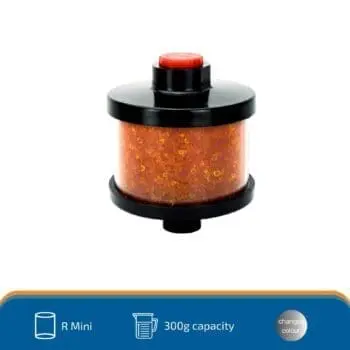
What tank size is the R Mini Transformer Breather suitable for?
The R Mini Transformer Breather is designed for conservator tanks with oil capacities of up to approximately 900L.
Is the R Mini Transformer Breather refillable?
Yes. The R Mini Transformer Breather can be easily refilled. Simply unscrew the unit, empty the spent silica gel, and replace it with fresh silica gel.
What thread connection does the R Mini Transformer Breather use?
The R Mini Transformer Breather mounts via a ¾” female BSP pipe thread for easy installation.
Can the R Mini Transformer Breather be used outdoors?
Yes. The R Mini Transformer Breather is made from UV-stabilised polycarbonate, making it durable and fully weather resistant.
What does the silica gel colour change in the R Mini Transformer Breather indicate?
Orange silica gel turns green and blue silica gel turns pink when saturated. When the colour change reaches the indicator line, it is time to refill the R Mini Transformer Breather.
R Transformer Breather (small)
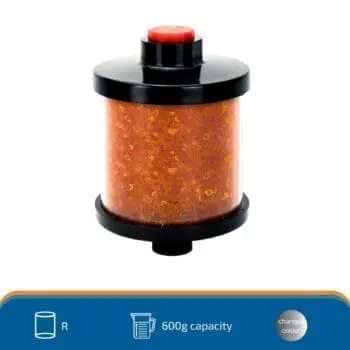
What is the typical application for the Small R Transformer Breather?
The Small R Transformer Breather is ideal for small to mid-sized transformers or applications with oil volumes up to approximately 1,500L.
What’s the service life of the desiccant in the Small R Transformer Breather?
Under normal operating conditions, the silica gel inside the Small R Transformer Breather lasts for about 300 days before needing replacement.
Can I choose the desiccant colour for the Small R Transformer Breather?
Yes. The Small R Transformer Breather can be filled with either orange silica gel (which turns green when spent) or blue silica gel (which turns pink when spent).
Is the Small R Transformer Breather reusable?
Yes. The Small R Transformer Breather is designed for long-term use and can be refilled easily with fresh silica gel when saturated.
R1 Transformer Breather (medium)
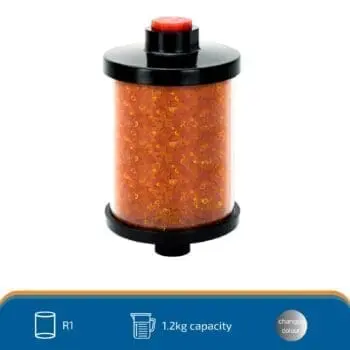
What transformer oil capacity is the R1 Transformer Breather suited for?
The R1 Transformer Breather is designed for transformers with an oil capacity of approximately 3,000L.
What material is the R1 Transformer Breather made from?
The R1 Transformer Breather is constructed from high-strength, UV-stabilised polycarbonate, providing clear visibility of the desiccant and excellent durability outdoors.
How do I replace the desiccant in the R1 Transformer Breather?
To refill, unscrew the breather, remove the top perforated cover, empty the spent silica gel, and replace with fresh desiccant.
What are the maintenance requirements for the R1 Transformer Breather?
Maintenance includes weekly visual checks of the silica gel’s colour and level. When the desiccant reaches the colour change line, it should be replaced.
R2 Transformer Breather (large)
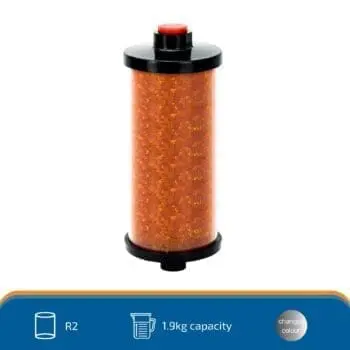
What capacity is the R2 Transformer Breather designed for?
The R2 Transformer Breather is suited for larger conservator tanks with an oil capacity of up to approximately 4,750L.
Does the R2 Transformer Breather come pre-filled?
Yes. The R2 Transformer Breather can be supplied pre-filled with either orange or blue indicating silica gel, or empty if you prefer to use your own bulk gel.
What size is the thread connection on the R2 Transformer Breather?
All R Series Transformer Breathers, including the R2, use a standard ¾” female BSP thread connection unless otherwise specified.
Can the R2 Transformer Breather be installed without tools?
Installation by hand is not recommended. A spanner should be used on the flat sections provided to securely tighten the R2 Transformer Breather into place.
R Transformer Breather (X Large)
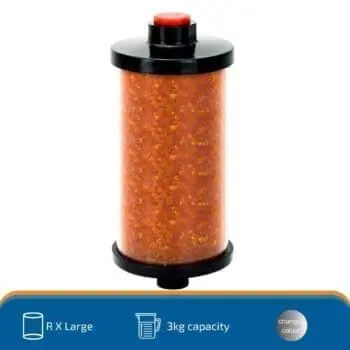
What oil conservator capacity is the R XL Transformer Breather designed for?
The R XL Transformer Breather is designed for conservator tanks with oil capacities of up to approximately 6000L.
How much desiccant does the R XL hold?
The R XL Transformer Breather has a 3kg desiccant capacity, providing extended service life compared to smaller models.
What material is the R XL body made from?
The R XL features a UV-stabilised clear polycarbonate body, allowing easy visual monitoring of the silica gel while ensuring durability in outdoor conditions.
Is the R XL Transformer Breather refillable?
Yes, the R XL Transformer Breather can be refilled. Simply unscrew, empty the spent silica gel, and replace with fresh orange or blue indicating silica gel.
How does the desiccant in the R XL show saturation?
The R XL uses indicating silica gel – orange turns green and blue turns pink – so you can easily see when replacement is required.
What is the operating temperature range of the R XL Transformer Breather?
The R XL operates effectively in temperatures from –50°C to +70°C, making it suitable for harsh environments.
How is the R XL Transformer Breather installed?
The breather is mounted via a ¾” female BSP pipe thread connection. A spanner should be used to tighten the breather securely without gripping the plastic body.
Can I purchase the R XL Transformer Breather pre-filled?
Yes, the R XL can be purchased empty or pre-filled with orange or blue indicating silica gel, depending on your preference.
Valved Reservoir Breather
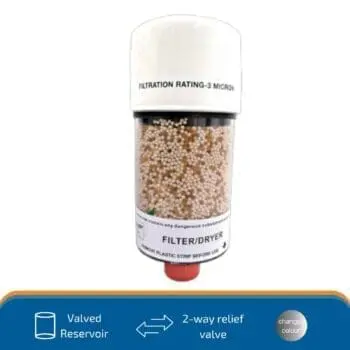
How do the valves in a Valved Reservoir Breather work?
The Valved Reservoir Breather includes a built-in two-way relief valve that stays closed until pressure differences occur, helping to extend the life of the desiccant inside.
What desiccant is used in the Valved Reservoir Breather?
Each Valved Reservoir Breather contains a mix of Molecular Sieve and Indicating Silica Gel. The silica gel changes colour (turns green) to signal saturation.
When should the Valved Reservoir Breather be replaced?
Replace the Valved Reservoir Breather when the silica gel has turned green, which indicates the desiccant is saturated and no longer effective.
Is the Valved Reservoir Breather reusable?
No, the Valved Reservoir Breather is designed for single use and must be replaced once the desiccant has reached saturation.
Can the Valved Reservoir Breather be used outdoors?
Yes, the Valved Reservoir Breather is suitable for both indoor and outdoor tanks or drums exposed to varying atmospheric conditions.
What size options are available for the Valved Reservoir Breather?
The Valved Reservoir Breather is available in two sizes: E-VRB-2 (¾” BSP) and E-VRB-3 (1¼” BSP).
What is the purpose of a Valved Reservoir Breather?
The Valved Reservoir Breather is designed to prevent moist air from entering tanks or drums as liquid is dispensed, protecting sensitive fluids from contamination.
What materials can the Valved Reservoir Breather help protect?
The Valved Reservoir Breather is suitable for use with fluids such as petrol, diesel, transformer oils, acetic acid, glycerol, brake fluid, and other industrial liquids.
Why is moisture control important for fluid storage with a Valved Reservoir Breather?
Using a Valved Reservoir Breather prevents moisture contamination, which can otherwise cause viscosity changes, insulation breakdown, sludge formation, and reduced stability of stored materials.
Indicating Silica Gel (600g)
What is Indicating Silica Gel 600g used for?
Indicating Silica Gel 600g is designed to adsorb moisture in closed spaces such as storage containers, toolboxes, and transformer breathers. It is suitable for protecting electronics, documents, and humidity-sensitive products.
What is the bead size of Indicating Silica Gel 600g?
Indicating Silica Gel 600g contains beads sized between 2mm and 5mm, providing efficient moisture adsorption.
Is Indicating Silica Gel 600g compatible with transformer breathers?
Yes. Indicating Silica Gel 600g is compatible with R Transformer Breathers.
How much moisture can Indicating Silica Gel 600g absorb?
Indicating Silica Gel 600g can adsorb up to 30% of its own weight in water vapour.
How do I reactivate Indicating Silica Gel 600g?
You can reactivate Indicating Silica Gel 600g by placing it in a fan-forced oven for 5 hours at 110°C. The beads will return to their original colour. This process can be repeated up to 3 times.
How do I dispose of Indicating Silica Gel 600g beads?
If used for standard moisture absorption, Indicating Silica Gel 600g beads can be disposed of in regular household rubbish. If used for gas separation, they must be taken to an authorised waste disposal facility, where a fee may apply.
Indicating Silica Gel (1.2kg)
What is Indicating Silica Gel 1.2kg used for?
Indicating Silica Gel 1.2kg is ideal for protecting larger enclosed spaces and equipment from moisture damage, including electronics, tools, and transformer breathers.
What is the bead size of Indicating Silica Gel 1.2kg?
Indicating Silica Gel 1.2kg contains beads sized between 2mm and 5mm.
Is Indicating Silica Gel 1.2kg compatible with transformer breathers?
Yes. Indicating Silica Gel 1.2kg is compatible with R1 Transformer Breathers.
How much moisture can Indicating Silica Gel 1.2kg absorb?
Indicating Silica Gel 1.2kg can adsorb up to 30% of its own weight in water vapour.
How do I reactivate Indicating Silica Gel 1.2kg?
Reactivate Indicating Silica Gel 1.2kg by placing it in a fan-forced oven for 5 hours at 110°C until the beads return to their original colour. This process can be repeated up to 3 times.
How do I dispose of Indicating Silica Gel 1.2kg beads?
If used for moisture absorption, dispose of Indicating Silica Gel 1.2kg beads in household rubbish. If used for gas separation, they must be taken to an authorised waste facility.
5L Indicating Silica Gel Loose Beads
What is Indicating Silica Gel 5L used for?
Indicating Silica Gel 5L is intended for bulk applications such as industrial packaging, equipment storage, and cargo protection where higher volumes of desiccant are required.
What is the bead size of Indicating Silica Gel 5L?
Indicating Silica Gel 5L contains beads sized between 2mm and 4mm.
How much moisture can Indicating Silica Gel 5L absorb?
Indicating Silica Gel 5L can adsorb up to 30% of its own weight in water vapour.
How do I reactivate Indicating Silica Gel 5L?
To reactivate Indicating Silica Gel 5L, place the beads in a fan-forced oven for 5 hours at 110°C. This can be repeated up to 3 times before performance declines.
How do I dispose of Indicating Silica Gel 5L beads?
If used for standard moisture absorption, Indicating Silica Gel 5L beads can be disposed of in regular household waste. If used for gas separation, they must be taken to an authorised disposal facility.
10L Indicating Silica Gel Loose Beads
What is Indicating Silica Gel 10L used for?
Indicating Silica Gel 10L is used for large-scale storage and packaging applications, providing moisture control for industrial, commercial, and preservation purposes.
What is the bead size of Indicating Silica Gel 10L?
Indicating Silica Gel 10L contains beads sized between 2mm and 4mm.
How much moisture can Indicating Silica Gel 10L absorb?
Indicating Silica Gel 10L can adsorb up to 30% of its own weight in water vapour.
How do I reactivate Indicating Silica Gel 10L?
Indicating Silica Gel 10L can be reactivated by placing it in a fan-forced oven for 5 hours at 110°C. The beads will return to their original colour, and this can be repeated up to 3 times.
How do I dispose of Indicating Silica Gel 10L beads?
If used for moisture absorption, dispose of Indicating Silica Gel 10L beads in normal household waste. If used for gas separation, they require disposal at an authorised facility.
25kg Indicating Silica Gel Drum
What is Indicating Silica Gel 25kg used for?
Indicating Silica Gel 25kg is designed for industrial and bulk moisture protection, suitable for long-term storage, preservation, and large equipment packaging.
What is the bead size of Indicating Silica Gel 25kg?
Indicating Silica Gel 25kg contains beads sized between 2mm and 4mm.
How much moisture can Indicating Silica Gel 25kg absorb?
Indicating Silica Gel 25kg can adsorb up to 30% of its own weight in water vapour.
How do I reactivate Indicating Silica Gel 25kg?
Indicating Silica Gel 25kg can be reactivated by heating it in a fan-forced oven at 110°C for 5 hours until the beads return to their original colour. This process can be repeated up to 3 times.
How do I dispose of Indicating Silica Gel 25kg beads?
For normal moisture adsorption, Indicating Silica Gel 25kg beads can be disposed of in household rubbish. If used in gas separation, they must be taken to an authorised waste facility.
Indicating Silica Gel Pouch (500g) Blue
How much moisture can Indicating Silica Gel 500g absorb?
Indicating Silica Gel 500g can adsorb up to 30% of its own weight in water vapour.
What is Indicating Silica Gel 500g used for?
Indicating Silica Gel 500g is designed to adsorb moisture in closed spaces such as storage containers, toolboxes, and transformer breathers. It is suitable for protecting electronics, documents, and humidity-sensitive products.
How do I dispose of Indicating Silica Gel 500g beads?
If used for standard moisture absorption, Indicating Silica Gel 500g beads can be disposed of in regular household rubbish. If used for gas separation, they must be taken to an authorised waste disposal facility, where a fee may apply.
Can indicating silica gel show when replacement is needed?
Yes, it changes from orange to green or blue to pink upon moisture saturation for real-time monitoring
Indicating Silica Gel Pouch (500g) Orange
How much moisture can Indicating Silica Gel 500g absorb?
Indicating Silica Gel 500g can adsorb up to 30% of its own weight in water vapour.
What is Indicating Silica Gel 500g used for?
Indicating Silica Gel 500g is designed to adsorb moisture in closed spaces such as storage containers, toolboxes, and transformer breathers. It is suitable for protecting electronics, documents, and humidity-sensitive products.
How do I dispose of Indicating Silica Gel 500g beads?
If used for standard moisture absorption, Indicating Silica Gel 500g beads can be disposed of in regular household rubbish. If used for gas separation, they must be taken to an authorised waste disposal facility, where a fee may apply.
Can indicating silica gel show when replacement is needed?
Yes, it changes from orange to green or blue to pink upon moisture saturation for real-time monitoring
Security Seals & Tapes
GENERAL FAQ
What are indicative security seals used for?
Indicative security seals are designed to show clear evidence of tampering or unauthorised access. They are widely used across transport, retail, food service, government, and cash-in-transit industries.
What’s the difference between indicative security seals and high-security seals?
Indicative security seals provide visual tamper evidence but are not designed to withstand force. High-security seals, such as bolt or cable seals, have higher tensile strength and certifications, making them suitable for international freight.
How do I choose the right indicative security seal for my application?
Choosing the right indicative security seal depends on factors such as security level required, type of latch or container, removal method (cutters vs tear-off), and whether you need serial numbering or branding. Our team can guide you.
Can indicative security seals be customised with our logo or barcode?
Yes, most indicative security seals can be customised with your company logo, text, sequential serial numbers, and even 2D or QR barcodes for enhanced traceability. Minimum order quantities may apply.
Are indicative security seals recyclable?
Many indicative security seals are made from polypropylene, which is 100% recyclable and food-safe. Please check the specifications of each seal for confirmation.
How should indicative security seals be disposed of after use?
Once removed, indicative security seals should be disposed of according to your local waste or recycling guidelines, depending on the material type.
How do I know if an indicative security seal has been tampered with?
Tampering of an indicative security seal may show as broken or stretched locking mechanisms, missing ends, or damaged serial numbers. Some seals also fray visibly when cut.
Can I reuse an indicative security seal?
No, indicative security seals are strictly single-use. Once applied and removed, they cannot be reapplied without showing visible signs of tampering.
Do I need special tools to remove indicative security seals?
The removal method depends on the design. Some indicative security seals have tear-off tabs for tool-free removal, while others may require cutters.
Do you offer bulk pricing on indicative security seals?
Yes, we offer bulk pricing and wholesale rates on indicative security seals. Contact our sales team for volume discounts or reseller options.
Mini Container Bolt Seal VI
What is the Mini Container Bolt Seal VI used for?
The Mini Container Bolt Seal VI is designed for domestic transportation and general cargo security, such as trucks, tankers, trailers, rail freight, and air freight containers. It provides a tamper-evident seal where high tensile strength is not required.
Is the Mini Container Bolt Seal VI ISO 17712:2013 compliant?
No. The Mini Container Bolt Seal VI is not ISO 17712:2013 compliant and is not suitable for international container exports that require certified high-security seals. For exports to the US or Europe, the High Security Bolt Seal is required.
What material is the Mini Container Bolt Seal VI made from?
The Mini Container Bolt Seal VI is manufactured with a hardened carbon steel pin encased in ABS plastic for weather resistance. It features a spring wire locking mechanism for added strength.
What are the technical specifications of the Mini Container Bolt Seal VI?
The Mini Container Bolt Seal VI has a total length of 79 mm, locking length of 45 mm, bolt diameter of 5 mm, nut diameter of 15 mm, tensile strength of 240 kg, and shear strength of 300 kg.
How is tampering prevented with the Mini Container Bolt Seal VI?
The Mini Container Bolt Seal VI includes dual numbering (on both pin and nut), an anti-spin feature to prevent manipulation, and an anti-cut feature that stops attempts to cut the pin close to the locking chamber.
How do I apply and remove the Mini Container Bolt Seal VI?
The Mini Container Bolt Seal VI can be applied easily by hand without tools. Removal requires a bolt cutter, ensuring only authorised access.
Can the Mini Container Bolt Seal VI be customised?
Yes. The Mini Container Bolt Seal VI can be customised with sequential numbering, logos, or text to enhance security and brand visibility.
Economical Container Bolt Seal
Can the Economical Container Bolt Seal be customised?
Yes. The Economical Container Bolt Seal can be customised with your company logo, name, sequential numbering (up to 6 digits), or other artwork for branding and enhanced tamper resistance.
What is the Economical Container Bolt Seal used for?
The Economical Container Bolt Seal is designed for securing domestic freight, bulk tankers, trailers, and containers where a strong seal is required, but international ISO17712 certification is not necessary.
Is the Economical Container Bolt Seal ISO certified?
No. The Economical Container Bolt Seal is not ISO17712:2013 certified. It is intended for domestic use only, unlike the High Security Container Bolt Seal which is compliant for export.
What tamper-evident features does the Economical Container Bolt Seal have?
The Economical Container Bolt Seal includes dual serial numbers on pin and nut, an anti-spin plastic moulded shaft, and an anti-cut feature that prevents tampering attempts from being hidden.
What are the technical specifications of the Economical Container Bolt Seal?
The Economical Container Bolt Seal has a total length of 85 mm, a shaft and nut made from carbon steel with ABS coating, tensile strength of 1,100 kg, and shear strength of 1,100 kg. It features a 7.6 mm narrow shaft for tight spaces and can only be removed with a bolt cutter.
How do I apply and remove the Economical Container Bolt Seal?
The Economical Container Bolt Seal has a self-locking design that can be applied by hand without tools. To remove, a bolt cutter must be used, ensuring security and controlled access.
High Security Container Bolt Seal II
What is the High Security Container Bolt Seal II used for?
The High Security Container Bolt Seal II is designed to secure shipping containers, bulk tankers, railcars, courier vans, and other cargo transport equipment where maximum barrier resistance is required.
Is the High Security Container Bolt Seal II ISO certified?
Yes. The High Security Container Bolt Seal II is ISO17712:2013 compliant and C-TPAT certified, making it suitable for international container exports to the United States, Europe, and other regulated destinations.
What tamper-evident features does the High Security Container Bolt Seal II have?
The High Security Container Bolt Seal II includes dual numbering on both pin and nut, an anti-spin oval shaft to prevent manipulation, and security ribs that prevent hiding evidence of cutting near the locking chamber.
What are the technical specifications of the High Security Container Bolt Seal II?
The High Security Container Bolt Seal II features a hardened carbon steel pin, ABS plastic body, spring wire locking mechanism, tensile strength of 1,150 kg, shear strength of 300 kg, total length of 88 mm, and a bolt diameter of 10 mm.
How do I apply and remove the High Security Container Bolt Seal II?
The High Security Container Bolt Seal II can be applied by hand without tools thanks to its self-locking mechanism. Removal requires a bolt cutter, ensuring only authorised personnel can open it.
Can the High Security Container Bolt Seal II be customised?
Yes. The High Security Container Bolt Seal II can be customised with sequential numbering, company logos, text, or even 2D/QR barcodes for added security and branding.
Security Tape | Continuous | Total Transfer | 50mm x 50m
What is the shelf life of Security Tape?
Security Tape has a recommended shelf life of 24 months when stored under the proper conditions.
Can Security Tape be customized?
Yes, Security Tape can be customized with your logo, text, or warning messages for orders of 200 rolls or more.
How is Security Tape sold?
Security Tape is available in individual 50 m rolls or cartons of 28 rolls, depending on your needs.
What is Security Tape used for?
Security Tape is used to seal cartons, packages, and containers where tamper evidence is essential. It is commonly applied in logistics, pharmaceuticals, retail, and shipments of high-value products.
What does “Total Transfer” mean on Security Tape?
“Total Transfer” on Security Tape means that when removed, the tape leaves a clear “VOID” message on the surface, providing undeniable evidence of tampering.
Can Security Tape be applied to all surfaces?
Yes, Security Tape adheres strongly to porous surfaces like cardboard and non-porous surfaces like plastic, so there is no need for multiple tape types.
How do I apply Security Tape?
Security Tape can be applied using a standard 76 mm core tape gun or simply by hand. Each roll is supplied in a convenient 50 m length.
What happens when Security Tape is removed?
When peeled off, Security Tape leaves a bold, permanent “VOID OPENED” message on the surface, making tampering instantly visible.
What is Security Tape made from?
Security Tape is made with a 1 mil polyester backing and an aggressive hot melt adhesive, ensuring fast bonding and high security.
What size are the rolls of Security Tape?
Each roll of Security Tape measures 50 mm wide by 50 m long, with a 76 mm inner core.
What colour is Security Tape?
Security Tape is blue, a colour that highlights the “VOID” message upon removal for better visibility.
What are the ideal storage conditions for Security Tape?
Security Tape should be stored between 15°C and 26°C with humidity between 40% and 60%. Avoid high heat or moisture to maintain shelf life.
Security Tape | Numbered | Total Transfer | 48mm x 45m
What is Numbered Security Tape designed for?
Numbered Security Tape is a tamper-evident solution used to seal packages and containers where traceability and tamper detection are critical. Each section is numbered and perforated for easy control and tracking.
How does Numbered Security Tape provide tamper evidence?
Numbered Security Tape uses Total Transfer technology. When removed, it leaves a permanent “VOID OPENED” message on the surface, clearly showing any unauthorised access.
What makes Numbered Security Tape unique compared to standard tape?
Numbered Security Tape features sequential numbering and 150 mm perforated segments. This allows you to either use the tape in full rolls or tear off pre-sized labels for individual seals.
Can Numbered Security Tape be applied to both cardboard and plastic?
Yes, Numbered Security Tape adheres strongly to porous materials like cardboard and non-porous surfaces like plastic, eliminating the need for separate tapes.
Do I need special tools to apply Numbered Security Tape?
No, Numbered Security Tape can be applied by hand or with a standard 78 mm core tape dispenser.
What are the dimensions of Numbered Security Tape?
Each roll of Numbered Security Tape measures 48 mm wide and 45 metres long, with 150 mm perforated segments for easy tear-off use.
What is the purpose of the numbering on Numbered Security Tape?
Sequential numbering on Numbered Security Tape adds traceability, ensuring seals cannot be swapped or altered without detection.
What colour is Numbered Security Tape available in?
Numbered Security Tape is supplied in red for high visibility and clear contrast on most surfaces.
How should I store Numbered Security Tape?
Store Numbered Security Tape in a cool, dry place between 15°C and 26°C with 40–60% humidity to preserve adhesive quality.
What is the shelf life of Numbered Security Tape?
Numbered Security Tape has a shelf life of up to 24 months if stored under recommended conditions.
Can Numbered Security Tape be customised?
Yes, Numbered Security Tape can be customised with company branding, text, or numbering for enhanced security and brand recognition.
Fixed Length Double Locking Plastic Seal
What makes the Fixed Length Double Locking Seal different from adjustable seals?
The Fixed Length Double Locking Seal has a fixed 173 mm locking length, making it ideal for applications where consistent, repeatable sealing is required.
Why is the double locking feature important on the Fixed Length Double Locking Seal?
The Fixed Length Double Locking Seal has a dual locking mechanism that enhances tamper resistance and ensures the seal is securely engaged once applied.
Is the Fixed Length Double Locking Seal easy to apply?
Yes. The Fixed Length Double Locking Seal features a one-way locking design that prevents incorrect installation, and its 7 mm strap fits snugly in standard truck latches and other secure points.
How can I tell if the Fixed Length Double Locking Seal is applied correctly?
Once applied, the Fixed Length Double Locking Seal shows a protruding tail, which provides visible confirmation that the seal has been locked securely.
What tools are required to use or remove the Fixed Length Double Locking Seal?
The Fixed Length Double Locking Seal requires no tools for application. For removal, it must be cut or broken, ensuring it is single-use only.
What is the tensile strength of the Fixed Length Double Locking Seal?
The Fixed Length Double Locking Seal has a tensile strength of up to 15 kg, providing suitable security for indicative use without risk of premature failure.
Is the Fixed Length Double Locking Seal suitable for food or medical industries?
Yes. The Fixed Length Double Locking Seal is made from food-safe, heavy-metal-free polypropylene and acetal, making it ideal for pharmaceutical, healthcare, and food service applications.
Are there marking options available for the Fixed Length Double Locking Seal?
Yes. Each Fixed Length Double Locking Seal can be hot stamped or laser etched with a unique serial number for tracking and audit purposes.
What customisation options are available for the Fixed Length Double Locking Seal?
The Fixed Length Double Locking Seal can be customised with a company name, logo, up to 13-digit sequential numbering, and either hot stamping or laser etching.
What industries commonly use the Fixed Length Double Locking Seal?
The Fixed Length Double Locking Seal is widely used in logistics, transport, cash transit, government, mining, education, and packaging sectors.
What colour options are available for the Fixed Length Double Locking Seal?
The Fixed Length Double Locking Seal is available in black, white, orange-red, blue, green, and yellow, though colour availability may vary.
Heavy Duty 320 Indicative Security Seal
What type of applications is the Heavy Duty 320 Seal suitable for?
The Heavy Duty 320 Seal is ideal for high-security sealing of cash bags, trailer curtain buckles, mail bags, ballot boxes, and bulk tanker hatches, and is commonly used in transport, retail, healthcare, food service, and mining.
How does the Heavy Duty 320 Seal ensure tamper evidence?
The Heavy Duty 320 Seal features a brittle acetal cap that visibly cracks upon tampering. Combined with laser-etched serial numbers and barcodes, it provides a clear, traceable indication of unauthorised access.
What makes the Heavy Duty 320 Seal a “heavy duty” option?
The Heavy Duty 320 Seal has a reinforced 7mm wide tail and double-sided locking teeth, with a stainless steel spring clip inside the locking chamber for added durability and tamper resistance.
Is the Heavy Duty 320 Seal adjustable or fixed length?
The Heavy Duty 320 Seal is an adjustable-length seal with a locking range of up to 265mm, making it versatile across various bag and latch sizes.
What is the tensile strength of the Heavy Duty 320 Seal?
The Heavy Duty 320 Seal has a tested tensile strength of 38kgs, making it suitable for heavy-duty applications where stronger resistance is required.
Can the Heavy Duty 320 Seal be customised with branding?
Yes, the Heavy Duty 320 Seal can be customised with your company logo, text, sequential numbering (up to 13 digits), and even QR or 2D barcodes.
Are Heavy Duty 320 Seals uniquely numbered?
Yes, each Heavy Duty 320 Seal is laser-marked with a unique serial number and barcode for accurate tracking and verification.
What materials are used to make the Heavy Duty 320 Seal?
The Heavy Duty 320 Seal body is made from food-safe polypropylene, while the cap is acetal. Both materials are recyclable and free from heavy metals.
What colour options are available for the Heavy Duty 320 Seal?
The Heavy Duty 320 Seal is available in black, white, orange-red, blue, green, and yellow for easy identification.
Can the Heavy Duty 320 Seal be used in food-related industries?
Yes, the polypropylene body of the Heavy Duty 320 Seal is food-safe, making it suitable for food production and distribution.
What locking mechanism does the Heavy Duty 320 Seal use?
The Heavy Duty 320 Seal features a spring-loaded metal plate that locks the seal securely when the tail is inserted, ensuring high resistance to pulling or cutting.
Medium Duty 250 Indicative Security Seal
How long is the locking section of the Medium Duty 250 Seal?
The Medium Duty 250 Seal has a total length of 330mm, with an effective locking length of 250mm.
Are Medium Duty 250 Seals food-grade and environmentally friendly?
Yes, the Medium Duty 250 Seal is food-safe, free from heavy metals, and made from 100% recyclable materials.
Is the Medium Duty 250 Seal suitable for automated sealing systems?
While primarily applied by hand, the slim design of the Medium Duty 250 Seal makes it compatible with some semi-automated sealing tools.
Can the Medium Duty 250 Seal be used in security-sensitive sectors?
Yes, the Medium Duty 250 Seal is widely used in banking, government, pharmaceuticals, mining, transport, and food logistics industries.
What applications is the Medium Duty 250 Seal most suited for?
The Medium Duty 250 Seal is designed for smaller sealing points like coin bags, ballot boxes, mail pouches, or plastic/cloth bags where a slim, durable seal is needed.
How does the Medium Duty 250 Seal show evidence of tampering?
The Medium Duty 250 Seal uses heat-staked caps and internal locking teeth, with laser-etched serial numbers and barcodes, making tampering attempts highly visible and traceable.
What sets the Medium Duty 250 Seal apart from heavier models?
The Medium Duty 250 Seal features a narrow 2mm round tail for smaller entry points while still offering metal locking and durable construction, with a 250mm locking length.
Is the Medium Duty 250 Seal customisable?
Yes, the Medium Duty 250 Seal can be customised with a company logo, custom text, sequential numbering (up to 13 digits), and even QR or 2D barcodes.
Can the Medium Duty 250 Seal be colour-coded?
Yes, the Medium Duty 250 Seal is available with caps in multiple colours to support identification and sorting, though availability may vary.
What materials are used to make the Medium Duty 250 Seal?
The Medium Duty 250 Seal is made from recyclable polypropylene with a food-safe acetal cap, and it features a spring metal plate in the locking mechanism.
How strong is the Medium Duty 250 Seal?
The Medium Duty 250 Seal has a tensile strength of around 15kgs, making it suitable for light- to medium-security sealing applications.
Light Duty 215 Indicative Security Seal
What is the Light Duty 215 Seal best suited for?
The Light Duty 215 Seal is ideal for quick, low-effort applications such as fire extinguishers, food trolleys, duty-free carts, or asset tagging where fast application and easy removal are important.
How does the tear-off feature on the Light Duty 215 Seal work?
The Light Duty 215 Seal has an integrated tear-off tab that allows users to remove the seal without any tools, designed for environments where scissors or cutters aren’t readily available.
What is the locking length of the Light Duty 215 Seal?
The Light Duty 215 Seal has a total length of 215 mm and an effective locking length of 105 mm, making it suitable for small to medium closure points.
Is the Light Duty 215 Seal strong enough for secure use?
Yes, the Light Duty 215 Seal has a tensile strength of 25 kg and features 4-sided plastic locking teeth for improved grip and tamper resistance.
What materials is the Light Duty 215 Seal made from?
The Light Duty 215 Seal is made from food-safe, recyclable polypropylene, with the locking reinforced using a spring action.
Can the Light Duty 215 Seal be reused?
No, the Light Duty 215 Seal is single-use. Once removed, the tear-off design and heat-staked chamber ensure it cannot be reapplied.
What prevents tampering with the Light Duty 215 Seal?
The Light Duty 215 Seal has a stopper at the end of the tail to prevent reverse threading, ensuring it can’t be re-locked after tampering.
Is the Light Duty 215 Seal suitable for food or hygiene industries?
Yes, the Light Duty 215 Seal is made from polypropylene which is safe for use around food and free from heavy metals, making it ideal for food and pharmaceutical settings.
How are Light Duty 215 Seals numbered?
Each Light Duty 215 Seal is laser-marked with a unique serial number and can include an optional barcode for tracking and audit purposes.
Are branding or barcode options available on the Light Duty 215 Seal?
Yes, the Light Duty 215 Seal can be customized with company logos, text, sequential numbering (up to 8 digits), and QR or 2D barcodes.
What colours are available for the Light Duty 215 Seal?
The Light Duty 215 Seal is available in black, white, orange-red, blue, green, and yellow, with availability varying by colour.
Cable Wire Seal 1.5mm with 30cm wire – 1 Carton (500 pcs)
What is the main benefit of using the 1.5mm Cable Wire Seal?
The 1.5mm Cable Wire Seal provides a high-security tamper-evident solution for trailers, drums, ballot boxes, and more. It is durable, self-locking, and cannot be reused once cut, ensuring peace of mind.
How does the 1.5mm Cable Wire Seal prevent resealing after cutting?
The 1.5mm Cable Wire Seal uses high-tension non-preformed galvanised wire, which unravels and frays when cut. This makes it impossible to rethread or reuse, providing clear tamper evidence.
Is the wire length fixed on the 1.5mm Cable Wire Seal?
No. While the 1.5mm Cable Wire Seal comes standard with a 30cm wire, customised lengths are available to suit specific applications.
What locking mechanism does the 1.5mm Cable Wire Seal use?
The 1.5mm Cable Wire Seal has a zinc cast body with spring-loaded ball bearings that clamp down on the cable when inserted, requiring no tools for application.
What materials make up the 1.5mm Cable Wire Seal?
The 1.5mm Cable Wire Seal features an anodised aluminium body for durability and customisation, and galvanised steel wire for secure locking.
Can the 1.5mm Cable Wire Seal be applied without tools?
Yes, the 1.5mm Cable Wire Seal is self-locking and can be applied by hand. However, removal requires cable cutters due to the strong steel wire.
How strong is the 1.5mm Cable Wire Seal?
The 1.5mm Cable Wire Seal has a tensile strength of up to 280kgs, making it suitable for high-risk cargo and storage security.
Can I customize the 1.5mm Cable Wire Seal?
Yes, the 1.5mm Cable Wire Seal can be customised with logos, text, sequential serial numbers (up to 8 digits), or QR/2D barcodes (colour dependent).
What applications are best for the 1.5mm Cable Wire Seal?
The 1.5mm Cable Wire Seal is commonly used for securing trailer doors, roll cages, steel drums, money cages, hatches, valves, ballot boxes, and other containers requiring tamper resistance.
What colour options are available for the 1.5mm Cable Wire Seal?
The 1.5mm Cable Wire Seal is available in anodised colours such as black, red, blue, green, and yellow for visibility and easy identification.
Is the 1.5mm Cable Wire Seal suitable for regulated environments?
Yes, the 1.5mm Cable Wire Seal includes unique laser-etched serial numbers and barcodes, making it suitable for audits and compliance in industries like banking, pharmaceuticals, and government.
Cable Wire Seal 5mm with 30cm wire
What makes the Cable Wire Seal 5.0 a high-security option?
The Cable Wire Seal 5.0 is ISO17712 certified and built with a premium aluminium body and 5mm non-preformed galvanised wire that frays when cut, making tampering or reuse impossible.
Does the Cable Wire Seal 5.0 require tools for application?
No, the Cable Wire Seal 5.0 is self-locking and can be applied by hand. However, removal requires cable cutters due to its strong galvanised wire.
What is the tensile strength of the Cable Wire Seal 5.0?
The Cable Wire Seal 5.0 has a tensile strength of 1,150kg, providing strong barrier resistance for demanding applications.
Can I customise the Cable Wire Seal 5.0 with branding?
Yes, the Cable Wire Seal 5.0 can be laser-etched with sequential serial numbers, barcodes, company names, or logos for traceability and branding.
What applications is the Cable Wire Seal 5.0 suitable for?
The Cable Wire Seal 5.0 is commonly used for sealing trailer doors, bulk tankers, roll cages, ballot boxes, hatches, valves, steel drums, money cages, and tote boxes.
What materials are used in the Cable Wire Seal 5.0?
The Cable Wire Seal 5.0 has an anodised aluminium body with a zinc cast locking system and high-tension galvanised wire, making it durable and resistant to harsh conditions.
What are the standard and customisable wire options for the Cable Wire Seal 5.0?
The Cable Wire Seal 5.0 comes with a standard 30cm cable, but wire length and diameter can be customised to suit different applications.
How is tampering prevented with the Cable Wire Seal 5.0?
The non-preformed wire of the Cable Wire Seal 5.0 frays when cut, ensuring it cannot be resealed, while the spring-loaded locking mechanism grips securely onto the wire.
In what industries is the Cable Wire Seal 5.0 most often used?
The Cable Wire Seal 5.0 is widely used in transportation, banking, cash-in-transit, government, retail, mining, pharmaceuticals, food services, and manufacturing.
How are the Cable Wire Seal 5.0 seals packaged?
The Cable Wire Seal 5.0 is supplied in cartons of 200 pieces, making it convenient for both small and bulk users.
Cable Wire Seal 2.5mm with 30cm wire
What colour options are available for the 2.5mm Cable Wire Seal?
The 2.5mm Cable Wire Seal is available in black, red, blue, green, and yellow for visibility and operational categorisation.
What are common applications for the 2.5mm Cable Wire Seal?
The 2.5mm Cable Wire Seal is commonly used on trailer and container doors, valves, steel drums, ballot boxes, tote boxes, hatches, and money cages.
What makes the 2.5mm Cable Wire Seal ideal for high-security sealing?
The 2.5mm Cable Wire Seal features a thick 2.5mm non-preformed cable, a durable anodised aluminium body, and a 480kg tensile strength, making it a reliable option for securing high-value or sensitive cargo.
How is the 2.5mm Cable Wire Seal different from the 1.5mm version?
The 2.5mm Cable Wire Seal offers higher tensile strength (480kg vs. 280kg), making it suitable for heavy-duty applications such as trailer doors, steel drums, and storage units.
Can the wire length on the 2.5mm Cable Wire Seal be customised?
Yes. The 2.5mm Cable Wire Seal comes standard with a 30cm wire, but the length and thickness can be customised to suit different applications.
What is the advantage of non-preformed wire in the 2.5mm Cable Wire Seal?
The non-preformed galvanised wire on the 2.5mm Cable Wire Seal frays when cut, preventing resealing and giving clear evidence of tampering.
Do I need tools to apply the 2.5mm Cable Wire Seal?
No, the 2.5mm Cable Wire Seal is self-locking with a spring-loaded ball bearing system. Removal requires cable cutters.
How can the 2.5mm Cable Wire Seal be tracked for audits?
Each 2.5mm Cable Wire Seal is laser-marked with a unique serial number and optional barcode, supporting traceability and compliance.
Can the 2.5mm Cable Wire Seal be customised with branding?
Yes, the 2.5mm Cable Wire Seal can include custom logos, text, serial numbers (up to 8 digits), or QR/2D barcodes.
Is the 2.5mm Cable Wire Seal suitable for harsh conditions?
Yes, the anodised aluminium body of the 2.5mm Cable Wire Seal is corrosion-resistant and built to withstand tough environments such as mining and industrial transport.
Flat Metal 200 Indicative Security Seal
What distinguishes the Flat Metal 200 Seal from other fixed-length seals?
The Flat Metal 200 Seal features a sturdy galvanised tin plate body and strap, making it ideal for secure applications in challenging environments.
How secure is the locking mechanism of the Flat Metal 200 Seal?
The Flat Metal 200 Seal uses a spring-loaded metal plate that tightly grips the strap, preventing accidental opening or tampering.
Is the Flat Metal 200 Seal reusable after removal?
No, the Flat Metal 200 Seal must be cut to be removed and cannot be reused, ensuring one-time use for tamper evidence.
How can the Flat Metal 200 Seal be removed safely?
The Flat Metal 200 Seal should be removed using a cable cutter or metal snips, as there’s no tear-off or twist removal option.
Does the Flat Metal 200 Seal have sharp edges?
No, the Flat Metal 200 Seal has a curled edge design that reduces the risk of accidental cuts, making it safer to handle.
What makes the Flat Metal 200 Seal suitable for harsh conditions?
The Flat Metal 200 Seal is made with a galvanised metal body and strap that resist corrosion and maintain integrity in outdoor or industrial use.
Is the Flat Metal 200 Seal compliant for use with cash handling or transport?
Yes, the Flat Metal 200 Seal is widely used in banking, CIT, and logistics where tamper-evident sealing of coin and mail bags is essential.
Can Flat Metal 200 Seals be tracked individually?
Yes, each Flat Metal 200 Seal is embossed with a permanent serial number for traceability and record-keeping.
Can the Flat Metal 200 Seal be customised with company details?
Yes, the Flat Metal 200 Seal can be customised with your company name, embossed alphanumeric text, or numbering.
What size is the strap of the Flat Metal 200 Seal, and what does it fit?
The Flat Metal 200 Seal has a 7mm wide strap, suitable for sealing coin bags, mailbags, ballot boxes, and various bulk containers.
Medium Duty 340 Indicative Security Seal
What is the Medium Duty 340 Indicative Security Seal used for?
The Medium Duty 340 Indicative Security Seal is designed for tamper-evident applications in banking, cash-in-transit, retail, food services, pharmaceuticals, and logistics. It is commonly used for sealing cash bags, mail bags, ballot boxes, tote boxes, bulk tankers, and trailer curtain buckles.
How does the Medium Duty 340 Indicative Security Seal indicate tampering?
The Medium Duty 340 Indicative Security Seal uses a brittle polypropylene cap that breaks or distorts if tampered with. Combined with its 4-sided locking mechanism and unique serial numbers, it provides clear visual evidence of unauthorised access.
What are the locking features of the Medium Duty 340 Indicative Security Seal?
The Medium Duty 340 Indicative Security Seal incorporates a stainless steel spring plate inside the cap and 4-sided locking teeth, delivering enhanced grip and tamper resistance.
What material is the Medium Duty 340 Indicative Security Seal made from?
The Medium Duty 340 Indicative Security Seal is made from 100% recyclable, food-safe polypropylene, while the locking mechanism is reinforced with a stainless steel spring plate.
Is the Medium Duty 340 Indicative Security Seal suitable for small openings?
Yes, the Medium Duty 340 Indicative Security Seal features a slim 2mm round tail and compact body, making it ideal for small sealing holes or tight spaces.
What is the locking length of the Medium Duty 340 Indicative Security Seal?
The Medium Duty 340 Indicative Security Seal has an adjustable locking length of 340 mm and a total length of 420 mm.
How strong is the Medium Duty 340 Indicative Security Seal?
The Medium Duty 340 Indicative Security Seal has a tested tensile strength of around 15 kg, providing sufficient resistance for medium-duty security applications.
Can Medium Duty 340 Indicative Security Seals be customised?
Yes, the Medium Duty 340 Indicative Security Seal can be laser-etched with company logos, text, sequential numbering (up to 13 digits), or 2D/QR barcodes for traceability.
Are Medium Duty 340 Indicative Security Seals uniquely numbered?
Yes, each Medium Duty 340 Indicative Security Seal is laser-marked with a unique tamper-proof serial number for accurate tracking and audit compliance.
Are Medium Duty 340 Indicative Security Seals food-safe?
Yes, the Medium Duty 340 Indicative Security Seal is made from food-grade polypropylene with no heavy metals, making it safe for food transport and handling.
Can the Medium Duty 340 Indicative Security Seal be used outdoors?
The Medium Duty 340 Indicative Security Seal is durable and weather-resistant, though prolonged UV and harsh environmental exposure may reduce longevity. It is best suited for short- to medium-term outdoor use.
Disposable Gloves, Masks & Rapid Tests
Vinyl Disposable Gloves
What material are Vinyl Disposable Gloves made from?
Vinyl Disposable Gloves are made from 100% polyvinyl chloride (PVC), offering latex-free and powder-free protection suitable for sensitive skin.
Are Vinyl Disposable Gloves safe for use in food handling?
Yes, Vinyl Disposable Gloves are food-grade and suitable for food preparation, food service, and general hygiene tasks.
Are Vinyl Disposable Gloves latex-free?
Yes, Vinyl Disposable Gloves contain no natural rubber latex, making them safe for individuals with latex allergies.
Do Vinyl Disposable Gloves contain powder?
No, Vinyl Disposable Gloves are completely powder-free to reduce the risk of skin irritation and cross-contamination.
Can Vinyl Disposable Gloves be used on either hand?
Yes, Vinyl Disposable Gloves are ambidextrous, meaning they fit both left and right hands comfortably.
Are Vinyl Disposable Gloves single-use or reusable?
Vinyl Disposable Gloves are intended for single-use only and should be discarded after each task or shift.
What industries are Vinyl Disposable Gloves suitable for?
Vinyl Disposable Gloves are widely used in food service, cleaning, beauty and personal care, healthcare, and pharmaceutical environments.
What sizes are available for Vinyl Disposable Gloves?
Sizes for Vinyl Disposable Gloves may vary depending on stock. Please contact us for current size availability (typically S, M, L, XL).
How are Vinyl Disposable Gloves packaged?
Vinyl Disposable Gloves are supplied in boxes of 100 gloves, with 10 boxes per carton (1,000 gloves total).
Will I receive the exact brand of Vinyl Disposable Gloves shown in the image?
The product image for Vinyl Disposable Gloves is for reference only. While the brand may vary due to stock availability, all gloves supplied will meet or exceed the listed specifications.
Blue Powder-Free Nitrile Disposable Gloves
What are Nitrile Disposable Gloves made of?
Nitrile Disposable Gloves are made from 100% synthetic nitrile, which is latex-free and ideal for individuals with latex allergies.
Are Nitrile Disposable Gloves powder-free?
Yes, Nitrile Disposable Gloves are completely powder-free to minimise contamination and reduce skin irritation.
What colour are Nitrile Disposable Gloves?
Nitrile Disposable Gloves are blue, making them easily identifiable and suitable for colour-coded safety systems.
Are Nitrile Disposable Gloves safe for use with food?
Yes, Nitrile Disposable Gloves are food-safe and commonly used in food handling and preparation.
Are Nitrile Disposable Gloves sterile?
No, Nitrile Disposable Gloves are non-sterile and designed for general-purpose and hygiene-sensitive use.
Can Nitrile Disposable Gloves be used on either hand?
Yes, Nitrile Disposable Gloves are ambidextrous and fit comfortably on both left and right hands.
Are Nitrile Disposable Gloves reusable?
No, Nitrile Disposable Gloves are intended for single-use only and should be discarded after each use.
What industries commonly use Nitrile Disposable Gloves?
Nitrile Disposable Gloves are widely used in healthcare, food service, cleaning, painting, beauty, automotive, and general maintenance.
How are Nitrile Disposable Gloves packaged?
Nitrile Disposable Gloves are supplied in boxes of 100 gloves, with 10 boxes per carton (1,000 gloves total).
Will I always receive the same brand of Nitrile Disposable Gloves?
The brand of Nitrile Disposable Gloves may vary depending on stock availability, but all gloves will meet or exceed the listed specifications.
Latex Disposable Gloves
Are Latex Disposable Gloves sterile?
No, Latex Disposable Gloves are non-sterile and designed for general-purpose, single-use applications.
Are Latex Disposable Gloves suitable for food handling?
Yes, Latex Disposable Gloves are food-safe and commonly used in kitchens and food preparation environments.
Can Latex Disposable Gloves be worn on either hand?
Yes, Latex Disposable Gloves are ambidextrous and designed to fit comfortably on both the left and right hand.
Are Latex Disposable Gloves reusable?
No, Latex Disposable Gloves are single-use only and should be discarded after each use.
What colour are Latex Disposable Gloves?
Latex Disposable Gloves are natural-coloured (off-white/cream), which is the standard colour commonly associated with latex gloves.
Who typically uses Latex Disposable Gloves?
Latex Disposable Gloves are popular in cleaning, food service, beauty, and general hygiene-related industries.
How are Latex Disposable Gloves packaged?
Latex Disposable Gloves come in boxes of 100 gloves, with 10 boxes per carton (1,000 gloves in total).
Will I always receive the same brand of Latex Disposable Gloves?
The brand of Latex Disposable Gloves may vary depending on availability, but all supplied gloves will meet or exceed the listed quality standards.
What are Latex Disposable Gloves made of?
Latex Disposable Gloves are made from 100% natural rubber latex, offering excellent flexibility and comfort.
Are Latex Disposable Gloves powder-free?
Yes, Latex Disposable Gloves are powder-free to minimise the risk of contamination and reduce irritation for sensitive skin.
3 Ply Disposable Face Mask (50 per Box)
What size are the 3 Ply Disposable Face Masks (50 per Box)?
Each 3 Ply Disposable Face Mask (50 per Box) measures 17.5 x 9.5 cm, designed to fit most adult face shapes comfortably.
How many masks come in one box of 3 Ply Disposable Face Masks?
Each box of 3 Ply Disposable Face Masks contains 50 masks, stacked neatly for convenient access.
Are the 3 Ply Disposable Face Masks (50 per Box) suitable for medical use?
Yes, the 3 Ply Disposable Face Mask (50 per Box) meets Level 2 barrier protection standards, making it suitable for clinics, hospitals, and general healthcare use.
Are the 3 Ply Disposable Face Masks latex-free?
Yes, the 3 Ply Disposable Face Mask (50 per Box) is made from latex-free materials and is safe for individuals with latex allergies.
Do the 3 Ply Disposable Face Masks (50 per Box) have an anti-fog nose strip?
Yes, each 3 Ply Disposable Face Mask (50 per Box) includes an anti-fog nasal strip that helps reduce fogging and provides a secure, adjustable fit.
Are 3 Ply Disposable Face Masks (50 per Box) reusable?
No, the 3 Ply Disposable Face Mask (50 per Box) is a single-use product and should be discarded after one use for hygiene and safety.
Can I order the 3 Ply Disposable Face Masks (50 per Box) in bulk?
Yes, bulk pricing is available for orders of 10 or more cartons of 3 Ply Disposable Face Masks (10,000+ masks). Contact us for volume discounts.
Are the 3 Ply Disposable Face Masks (50 per Box) TGA approved?
Yes, the 3 Ply Disposable Face Mask (50 per Box) is TGA certified under number TGA 334569 and conforms to AS 4381:2015 Level 2 standards.
Antigen 4-in-1 Rapid Test – COVID, Flu A/B, RSV (Nasal)
What viruses does the 4-in-1 Rapid Antigen Test detect?
The 4-in-1 Rapid Antigen Test detects four common respiratory viruses: COVID-19, Influenza A, Influenza B, and RSV (Respiratory Syncytial Virus).
How long does it take to get results with the 4-in-1 Rapid Antigen Test?
Results from the 4-in-1 Rapid Antigen Test are available within 15 minutes after completing the nasal swab and adding the sample to the cassette.
Is the 4-in-1 Rapid Antigen Test approved for use in Australia?
Yes, the 4-in-1 Rapid Antigen Test is TGA-approved for self-testing in Australia under ARTG ID 427686.
Can I use the 4-in-1 Rapid Antigen Test at home without medical training?
Yes, the 4-in-1 Rapid Antigen Test is designed for simple, at-home use and includes step-by-step instructions for safe and accurate testing.
Is the 4-in-1 Rapid Antigen Test suitable for children?
Children aged 2–15 can use the 4-in-1 Rapid Antigen Test with adult supervision, but it is not suitable for children under 2.
What is included in each 4-in-1 Rapid Antigen Test kit?
Each 4-in-1 Rapid Antigen Test kit includes 1 test cassette, 1 sterile nasal swab, 1 buffer tube, 1 biohazard bag, and detailed instructions for use.
When should I use the 4-in-1 Rapid Antigen Test for best results?
For best results, the 4-in-1 Rapid Antigen Test should be used within the first 7 days of COVID-19 symptoms or the first 4 days of RSV/Flu symptoms.
Can I reuse the 4-in-1 Rapid Antigen Test if I don’t get a clear result?
No, the 4-in-1 Rapid Antigen Test is strictly single-use and should be disposed of properly after one attempt.
How should I store the 4-in-1 Rapid Antigen Test?
Store the 4-in-1 Rapid Antigen Test between 2°C and 30°C in its original sealed packaging, and use immediately after opening.
What should I do if symptoms persist or my 4-in-1 Rapid Antigen Test result is unclear?
If symptoms persist, worsen, or the 4-in-1 Rapid Antigen Test result is unclear, seek further advice from a healthcare professional.
Removalist & Packaging Products
Furniture Shoulder Lifting Straps
What are Adjustable Furniture Lifting Shoulder Straps used for?
Adjustable Furniture Lifting Shoulder Straps are designed to help two people safely lift and move heavy or bulky items such as furniture, appliances, and office equipment. They reduce strain on the back and arms while protecting floors and doorways from damage.
How much weight can Adjustable Furniture Lifting Shoulder Straps support?
Adjustable Furniture Lifting Shoulder Straps are made from durable polyamide webbing and can support loads of up to 200 kg when used correctly.
What is included with Adjustable Furniture Lifting Shoulder Straps?
Each Adjustable Furniture Lifting Shoulder Straps pack includes 2 harnesses with ‘e’ buckles and black shoulder sleeves, plus 2 adjustable weight-bearing straps (adjustable between 1.6 m and 2.7 m).
How do Adjustable Furniture Lifting Shoulder Straps improve lifting safety?
Adjustable Furniture Lifting Shoulder Straps encourage correct lifting posture by using the stronger muscles of the legs and shoulders instead of relying solely on the back and arms. This helps reduce the risk of injury during heavy lifting.
Can Adjustable Furniture Lifting Shoulder Straps be used by one person?
No. Adjustable Furniture Lifting Shoulder Straps are designed for use by two people working together to ensure safe, balanced lifting and proper weight distribution.
What is the width of Adjustable Furniture Lifting Shoulder Straps?
Adjustable Furniture Lifting Shoulder Straps are 50 mm wide, providing both strength and comfort during use.
Can Adjustable Furniture Lifting Shoulder Straps prevent damage to my home?
Yes. Adjustable Furniture Lifting Shoulder Straps lift items slightly off the ground, reducing the risk of dents, scratches, or scuffs on floors, stairs, and doorways that can occur when dragging or using dollies.
Are Adjustable Furniture Lifting Shoulder Straps reusable?
Yes. Adjustable Furniture Lifting Shoulder Straps are reusable, provided they are not damaged. Inspect the straps before each use to ensure they are in good condition.
Furniture Lifting Wrist Heavy-Duty Straps
What are Heavy Duty Furniture Lifting Wrist Straps used for?
Heavy Duty Furniture Lifting Wrist Straps are designed to make lifting and moving furniture, appliances, and other heavy or bulky items safer and easier. They help reduce strain on the body while protecting walls, doorways, and floors from damage.
How much weight can Heavy Duty Furniture Lifting Wrist Straps support?
Heavy Duty Furniture Lifting Wrist Straps are made from 75 mm polyester webbing with reinforced stitching and can safely support loads of up to approximately 250 kg.
Do Heavy Duty Furniture Lifting Wrist Straps reduce the risk of injury?
Yes. Heavy Duty Furniture Lifting Wrist Straps promote safe lifting techniques by shifting weight to the stronger muscles in your legs and arms instead of your back. This ergonomic design helps reduce the risk of back strain and lifting injuries.
Are Heavy Duty Furniture Lifting Wrist Straps adjustable?
Yes. Heavy Duty Furniture Lifting Wrist Straps feature three pre-set wrist loops, allowing users to adjust the length and fit to suit their comfort and lifting needs.
Can Heavy Duty Furniture Lifting Wrist Straps be used by one person?
No. Heavy Duty Furniture Lifting Wrist Straps are designed to be used by two people working together to lift and balance heavy or bulky items safely.
What materials are Heavy Duty Furniture Lifting Wrist Straps made from?
Heavy Duty Furniture Lifting Wrist Straps are made from strong polyester webbing with soft felt padding on the wrist loops to provide durability, comfort, and reduced wrist pressure during use.
Are Heavy Duty Furniture Lifting Wrist Straps reusable?
Yes. Heavy Duty Furniture Lifting Wrist Straps can be reused multiple times, provided they are inspected before each use to ensure there is no fraying, tearing, or damage to the straps.
25mm Polyprop Webbing (50m)
What is 25mm Polyprop Webbing used for?
25mm Polyprop Webbing is a strong and lightweight strapping material commonly used for DIY, industrial, and commercial purposes. It is suitable for pet leads, bags, accessories, safety gear, outdoor furniture, and many textile applications.
How strong is 25mm Polyprop Webbing?
25mm Polyprop Webbing has a breaking strength of approximately 243 kg, making it reliable for securing, strapping, or manufacturing applications where moderate strength is required.
Is 25mm Polyprop Webbing resistant to water and chemicals?
Yes. 25mm Polyprop Webbing is made from polypropylene, which is naturally resistant to water, mildew, and many common chemicals, making it ideal for outdoor and marine use.
Does 25mm Polyprop Webbing fade in the sun?
No. 25mm Polyprop Webbing is made from pre-dyed yarn that is UV-stable and colourfast, ensuring long-lasting colour even with outdoor exposure.
Can 25mm Polyprop Webbing stretch under load?
No. 25mm Polyprop Webbing is designed to be durable and does not significantly stretch under load, maintaining its integrity and reliability in use.
What industries use 25mm Polyprop Webbing?
25mm Polyprop Webbing is used across multiple industries including marine, medical, PPE, pet products, textiles, and outdoor gear manufacturing.
48mm Tape Dispenser
What is this tape dispenser used for?
This tape dispenser is designed to make applying adhesive tape quick and easy, especially when sealing boxes, parcels, or cartons for moving, storage, or shipping.
What types of projects is this tape dispenser suitable for?
This tape dispenser is ideal for moving house, packing items for storage, sealing shipping boxes, and preparing parcels for posting.
Is this tape dispenser compatible with standard adhesive tape rolls?
Yes, this tape dispenser is compatible with standard 48mm wide adhesive tape rolls, including the clear tape available from Protection Experts Australia.
How does this tape dispenser help during packing or moving?
This tape dispenser saves time and improves accuracy when sealing packages. It ensures even tension, clean cuts, and faster workflow compared to manual tearing.
Can this tape dispenser be used in commercial or warehouse settings?
Yes, this tape dispenser is suitable for both home and commercial use, including warehouses, logistics teams, and retail packing stations.
Where can I buy this tape dispenser in Australia?
This tape dispenser is available through Protection Experts Australia. Contact us for product availability or to bundle it with compatible adhesive tape rolls.
50mm Polyprop Webbing (50m)
What is 50mm Polypropylene Webbing used for?
50mm Polypropylene Webbing is a durable strapping material commonly used for outdoor gear, pet products, bags, belts, furniture, and industrial applications. Its wide strap makes it suitable for heavy-duty uses.
How strong is 50mm Polypropylene Webbing?
50mm Polypropylene Webbing has a breaking strength of approximately 462 kg, making it a reliable choice for demanding strapping and securing tasks.
Is 50mm Polypropylene Webbing water-resistant?
Yes. 50mm Polypropylene Webbing does not absorb liquids, making it lightweight, buoyant, and suitable for outdoor and marine use.
Does 50mm Polypropylene Webbing resist mildew and chemicals?
Yes. 50mm Polypropylene Webbing is mildew-resistant and offers good resistance against many chemicals, which helps extend its durability in harsh environments.
Will 50mm Polypropylene Webbing fade over time?
No. 50mm Polypropylene Webbing is manufactured with pre-dyed yarn, making it UV-stable and colourfast, so it retains its colour even with extended outdoor exposure.
Can 50mm Polypropylene Webbing stretch under load?
No. 50mm Polypropylene Webbing does not significantly stretch under load, which ensures it remains strong and dependable when in use.
What industries use 50mm Polypropylene Webbing?
50mm Polypropylene Webbing is widely used in marine, outdoor textiles, PPE, pet products, furniture, and medical applications where strength, flexibility, and weather resistance are essential.
50mm Restraint Webbing (100m)
What is Heavy-Duty 50mm Polyester Restraint Webbing used for?
Heavy-Duty 50mm Polyester Restraint Webbing is specifically designed for load restraint, tie-down systems, transport, and logistics applications. It is ideal for ratchet straps, winch straps, and cargo restraint systems.
How strong is Heavy-Duty 50mm Polyester Restraint Webbing?
Heavy-Duty 50mm Polyester Restraint Webbing has a breaking strength of approximately 1600 kg, making it suitable for securing heavy loads safely.
Is Heavy-Duty 50mm Polyester Restraint Webbing weather-resistant?
Yes. Heavy-Duty 50mm Polyester Restraint Webbing is UV-stabilised and moisture resistant, ensuring reliable performance outdoors and in harsh conditions.
Does Heavy-Duty 50mm Polyester Restraint Webbing resist abrasion?
Yes. The polyester fibres are designed to withstand abrasion, making the webbing highly durable even under frequent use in demanding environments.
Can Heavy-Duty 50mm Polyester Restraint Webbing stretch under load?
Polyester has very low stretch compared to polypropylene, which makes Heavy-Duty 50mm Polyester Restraint Webbing a safer and more reliable choice for load restraint.
What industries use Heavy-Duty 50mm Polyester Restraint Webbing?
Heavy-Duty 50mm Polyester Restraint Webbing is widely used in transport, freight, logistics, construction, and industrial manufacturing where high-strength tie-downs are essential.
48mm Adhesive Tape 75m
48mm Tape dispenser + 6 Packaging Tapes
Removalist Blanket
Can I use the Heavy Duty Quilted Removalist Blanket for soundproofing?
Yes, the thick cotton felt lining in the Heavy Duty Quilted Removalist Blanket helps absorb sound, making it suitable for DIY soundproofing projects.
What is the purpose of the zigzag stitching in the Heavy Duty Quilted Removalist Blanket?
The zigzag stitching strengthens the structure of the Heavy Duty Quilted Removalist Blanket, enhances grip during wrapping, and helps maintain the shape over time.
Is the Heavy Duty Quilted Removalist Blanket suitable for floor and wall protection?
Yes, the Heavy Duty Quilted Removalist Blanket is ideal for protecting floors, tiles, and walls during renovations, painting, or construction work.
How should I use the Heavy Duty Quilted Removalist Blanket during transport?
Wrap your item with the Heavy Duty Quilted Removalist Blanket and secure it using tape or straps. For fragile items, layering multiple blankets can offer extra protection.
What colour is the Heavy Duty Quilted Removalist Blanket?
The Heavy Duty Quilted Removalist Blanket is typically black, although colours may vary depending on stock availability.
Where can I buy the Heavy Duty Quilted Removalist Blanket in Australia?
You can purchase the Heavy Duty Quilted Removalist Blanket directly from Protection Experts Australia. Contact us for current availability and bulk pricing options.
What is the Heavy Duty Quilted Removalist Blanket used for?
The Heavy Duty Quilted Removalist Blanket is used to protect furniture, appliances, and fragile items during moving, storage, and renovations. It is also effective for DIY soundproofing.
What size and thickness is the Heavy Duty Quilted Removalist Blanket?
The Heavy Duty Quilted Removalist Blanket measures 1.8 metres by 3.4 metres and weighs approximately 4.6kg. It is rated at 750gsm, offering excellent thickness and cushioning for professional use.
What materials are used in the Heavy Duty Quilted Removalist Blanket?
The Heavy Duty Quilted Removalist Blanket is made from a durable non-woven outer fabric and a thick cotton fibre felt lining. It is stitched together using a zigzag pattern for extra durability and grip.
What makes the Heavy Duty Quilted Removalist Blanket a commercial-grade product?
The Heavy Duty Quilted Removalist Blanket is trusted by removalists and tradespeople for its strong materials, reinforced stitching, thick padding, and ability to withstand repeated use.
Is the Heavy Duty Quilted Removalist Blanket reusable?
Yes, the Heavy Duty Quilted Removalist Blanket is designed for multiple uses, making it a cost-effective option for both professional and home use.
Ratchet Tie Down Kit, S-Hook & D-Ring 6mx25mm, LC500kg
What is the lashing capacity of the RTK500 Ratchet Tie Down Kit?
The RTK500 Ratchet Tie Down Kit has a lashing capacity of 500kg, making it suitable for securing medium-duty loads.
What fittings come with the RTK500 Ratchet Tie Down Kit?
The RTK500 Ratchet Tie Down Kit includes a 25mm ratchet buckle with a moulded plastic handle, a 2.5m tail strap with a rubberised S-Hook, and a 3.5m main strap fitted with a sturdy D-Ring.
Is the RTK500 Ratchet Tie Down Kit suitable for lifting?
No, the RTK500 Ratchet Tie Down Kit is designed only for load restraint and should not be used for lifting applications.
What loads can the RTK500 Ratchet Tie Down Kit secure?
The RTK500 Ratchet Tie Down Kit is ideal for restraining cargo such as crates, small machinery, and general freight in Utes, small trucks, or shipping containers.
Does the RTK500 Ratchet Tie Down Kit come with wear sleeves?
Yes, the RTK500 Ratchet Tie Down Kit is supplied with two standard wear sleeves to reduce abrasion and extend strap life.
White Removalist Webbing (50m)
Precut Removalist Webbing (6m)
Dispensers
Oxygen Absorber Dispenser
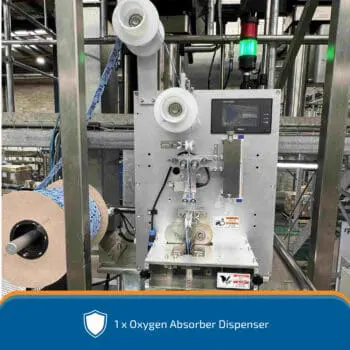
On Sale
Pro-Ex Gel 1kg Container Shipping Desiccant (8pcs/CTN)
Is gel desiccant better than mineral desiccant for shipping containers?
Gel desiccants can offer significant advantages over mineral desiccants, particularly for shipping containers exposed to high humidity and changing temperatures.
PGel-1kg absorbs up to 300% of its own weight in moisture, compared with up to 70% for our mineral desiccant range.
This means PGel-1kg offers more than four times the maximum moisture absorption capacity per kilogram.
Its higher capacity can mean fewer bags to install, lower labour costs, less handling and less waste to dispose of after shipping.
Mineral desiccants can still be a suitable option depending on the cargo, budget and environmental requirements.
How do I install PGel-1kg desiccants in a shipping container?
PGel-1kg desiccants are quick and easy to install using their convenient hanging hooks.
- Calculate the quantity required: As a general guide, use 4–6 bags for a 20ft container or 8–10 bags for a 40ft container, depending on cargo and shipping conditions.
- Remove the outer packaging: Take each PGel-1kg bag out of its airtight protective packaging immediately before installation. Do not cut or open the inner desiccant bag.
- Hang the desiccants: Use the attached hooks to hang the bags vertically from the upper lashing points along the container's sidewalls.
- Distribute evenly: Space the bags throughout the container to maximise moisture absorption, ensuring they are not covered, crushed or obstructed by cargo.
- Close and seal the container: Once loading and installation are complete, close the doors promptly to minimise exposure to outside humidity.
Pro-Ex Tip: PGel-1kg absorbs up to 300% of its own weight in moisture (up to 3 litres per bag). Its high absorption capacity means fewer bags may be required compared with lower-capacity desiccants, saving installation time and labour costs.
Absorbag 1.5kg Container Desiccant
How does an Absorbag 1.5kg Desiccant work?
The Absorbag 1.5kg Desiccant is easy to use and designed to occupy minimal container space while providing maximum functionality. With high performance and a long-lasting absorption rate, the Absorbag 1.5kg offers efficient protection for long shipments. The absorbed moisture gradually dissolves into a brine, which is captured in the lower part of the Absorbag. Once captured, the moisture will not re-evaporate back into the air.
How do I install the Absorbag 1.5kg Desiccant?
To install the Absorbag 1.5kg, attach it to the container lashing ring using the provided Absorhook. It can be used for any type of carton, ensuring at least 10 cm space between the cargo and the Absorbag. For cargo loaded higher than 1.5 metres, install the Absorbag above the cargo. The absorbed moisture is safely contained as brine in the bottom of the bag, preventing leaks.
[See the Absorbag Installation Guide for details.]
What is the absorption capacity of the Absorbag 1.5kg?
The Absorbag 1.5kg has an absorption capacity of up to 150% of its weight.
How many Absorbag 1.5kg units do I need?
The number of Absorbag 1.5kg units depends on container size, shipping duration, cargo moisture content, and length of voyage. As a general guide:
4 to 8 units for a 20ft container, and
8 to 14 units for a 40ft container.
Protection Experts Australia can provide tailored calculations for your cargo and shipping conditions.
How do I dispose of the Absorbag 1.5kg?
The Absorbag 1.5kg is made only from PE/PP plastics and salt, which are non-toxic and recyclable. It is a single-use product and can be disposed of with regular waste. For full instructions, refer to the Absorbag Installation & Disposal Guide.
Is the brine collected in the Absorbag 1.5kg dangerous?
No. The brine is simply calcium chloride, a very salty solution. It is not dangerous, but avoid getting it in your eyes. If contact occurs, rinse thoroughly with water. Always wash hands after handling.
Absorgel 1kg Container Desiccant
What is Absorgel 1kg used for?
Absorgel 1kg is a container desiccant used to protect goods from moisture damage during shipping and storage. Absorgel 1kg prevents issues like container rain, mould growth, rust, and packaging degradation by absorbing excess humidity inside sealed environments.
What makes Absorgel 1kg carbon neutral?
Absorgel 1kg is part of a sustainably produced moisture protection range. The product’s carbon emissions - across manufacturing, transport, and disposal - are measured and offset through verified carbon credits, making Absorgel 1kg a certified carbon neutral desiccant.
How much moisture can Absorgel 1kg absorb?
Each Absorgel 1kg unit can absorb up to 300% to 350% of its weight in moisture, making Absorgel 1kg highly effective for long-duration shipments or goods traveling through high-humidity climates.
How many Absorgel 1kg units do I need per container?
For a standard 20-foot shipping container, it is recommended to use 3 to 5 Absorgel 1kg units, depending on the type of cargo, climate, and duration of transit.
What types of cargo is Absorgel 1kg suitable for?
Absorgel 1kg is safe and effective for a wide range of cargo including
furniture,
textiles,
machinery
electronics,
food products (non-contact)
automotive parts.
Is Absorgel 1kg safe to use with food products?
Yes. Absorgel 1kg has a food compliance certificate and is safe for use in containers carrying packaged food. The materials are non-toxic and enclosed in a leak-proof design for clean handling.
How long does Absorgel 1kg remain effective?
Absorgel 1kg can remain active for up to 90 days, depending on ambient humidity and container conditions. It continues absorbing moisture until its full capacity is reached.
Where can I buy Absorgel 1kg desiccants in Australia?
You can purchase Absorgel 1kg through Protection Experts Australia, a trusted supplier of container moisture protection and shipping desiccants. Contact Protection Experts Australia for bulk orders or product recommendations.
1g Silica Gel Roll – 10,000 Units (2 x 5,000)
What is Silica Gel 1g?
Silica Gel 1g is a non-toxic desiccant used to protect products from humidity and moisture damage. It is made from porous, granular amorphous silicon dioxide, which adsorbs moisture to keep environments dry.
How does Silica Gel 1g work?
Silica Gel 1g adsorbs (not absorbs) moisture onto its surface, effectively reducing humidity levels inside sealed packaging or containers.
Is Silica Gel 1g safe to touch or use?
Yes. Silica Gel 1g is generally non-toxic and safe to handle. It is widely used in food packaging, electronics, pharmaceuticals, and textiles.
What happens if Silica Gel 1g is accidentally ingested?
While Silica Gel 1g is non-toxic, it is not edible and may cause choking or discomfort. Seek medical advice if ingested, especially for children or pets.
Do I need to prepare Silica Gel 1g before use?
No. Silica Gel 1g sachets are ready to use straight out of the packaging.
How should I store unused Silica Gel 1g?
Store Silica Gel 1g sachets in a sealed, airtight container to prevent premature moisture absorption. Avoid leaving them exposed to open air for more than 15 minutes.
How do I dispose of Silica Gel 1g?
Dispose of Silica Gel 1g in household rubbish. If the gel has absorbed hazardous substances, follow the disposal guidelines for that contaminant.
Where can I buy Silica Gel 1g?
You can purchase Silica Gel 1g directly from our website or contact our team for bulk orders and customised solutions.
How long does Silica Gel 1g last?
In sealed packs, Silica Gel 1g can last for years. Once exposed to air, its lifespan depends on humidity and air circulation.
How much Silica Gel 1g do I need?
A general guideline is 5g of silica gel per 1L of air volume. Multiple Silica Gel 1g sachets may be required depending on the size of the space.
Refer to our Silica Gel Calculator.
Home Hanging Absorber (440g) with Hook
What is the Home Hanging Moisture Absorber used for?
The Home Hanging Moisture Absorber is designed to reduce excess humidity and eliminate musty odours in enclosed spaces like wardrobes, bathrooms, pantries, storage areas, and garages.
How does the Home Hanging Moisture Absorber work?
The Home Hanging Moisture Absorber uses 440g of premium calcium chloride crystals combined with nano moisture-locking paper to absorb airborne moisture. The trapped water collects in the lower chamber, holding up to 800ml of liquid.
How long does the Home Hanging Moisture Absorber last?
Depending on humidity and temperature levels, the Home Hanging Moisture Absorber lasts up to 60 days before needing replacement.
Where should I place the Home Hanging Moisture Absorber?
The Home Hanging Moisture Absorber can be hung in wardrobes, cupboards, bathrooms, laundry areas, kitchens, pantries, storage rooms, basements, caravans, or any other enclosed space.
How do I dispose of the Home Hanging Moisture Absorber once full?
When the bottom chamber of the Home Hanging Moisture Absorber is full, snip the corner carefully and pour the brine solution down a household drain. Rinse with water, wash your hands, and dispose of the empty bag in normal household waste.
Is the Home Hanging Moisture Absorber safe to use?
Yes, the Home Hanging Moisture Absorber is fragrance-free, eco-friendly, and requires no electricity, making it safe and convenient for daily home use.
The quantity of Biodegradable Clay Desiccant required depends on the internal volume of your packaging, environmental humidity, packaging material and moisture sensitivity of your products. Use our Clay Desiccant Calculator or contact our team for assistance in determining the appropriate quantity for your application.
Selected products within our Biodegradable Clay Desiccant range are food grade and suitable for food packaging applications. These include our 1g, 2g and 6g Biodegradable Clay Desiccant sachets. Learn whether biodegradable clay is food safe. Our 17g, 33g and 66g sachets are designed for general packaging applications and are not designated as food grade. Always … Read more
No. Biodegradable Clay Desiccant contains natural, non-toxic biodegradable clay without chemical additives. However, the sachets should not be opened or consumed and should be kept away from children and pets.
Both Biodegradable Clay Desiccant and Mineral Clay Desiccant use naturally occurring clay minerals to adsorb moisture and protect products from mould, mildew, corrosion and other moisture-related damage. The primary difference is the sachet packaging. Biodegradable Clay Desiccant is packaged in biodegradable, plastic-free Kraft paper, whereas Mineral Clay Desiccant typically uses synthetic sachet materials. Biodegradable Clay … Read more
Biodegradable Clay Desiccant is a natural moisture-adsorbing product made from bentonite clay and packaged in biodegradable, plastic-free Kraft paper. It adsorbs moisture from the surrounding air, helping protect products against mould, mildew, corrosion and other moisture-related damage during storage and transportation. This leads us to explore how does biodegradable clay work in detail.
Pro-Ex Gel 500g is designed to minimise leakage by transforming absorbed moisture into a gel rather than allowing free liquid to accumulate. Its durable, moisture-permeable packaging helps retain absorbed moisture inside the bag. For best results, hang desiccants securely, keep them away from sharp objects and avoid crushing or placing them directly against cargo. While … Read more
Exploring the Gel desiccant benefits can provide insights into its superior moisture management capabilities. High-performance gel desiccants such as Pro-Ex Gel 500g can offer significant advantages over lower-capacity mineral desiccants. Pro-Ex Gel 500g absorbs up to 300% of its own weight in moisture, compared with up to 70% for the mineral desiccant in our range. … Read more
Essential Steps for Installing Desiccant Guide This installing desiccant guide explains how to use Pro-Ex Gel 500g desiccants quickly and easily with their convenient hanging hooks. Pro-Ex Tip: Each 500g bag absorbs up to 300% of its own weight in moisture (up to 1.5 litres), helping provide effective moisture protection with fewer bags than some … Read more
Proper container preparation helps minimise moisture damage and prevent container rain during shipping. Here’s how to prepare for a shipping container. Before loading your cargo: Pro-Ex Tip: Even a dry container can develop condensation during shipping due to temperature fluctuations. Proper preparation, combined with Pro-Ex Gel 500g desiccants, helps reduce the risk of container rain, … Read more
The recommended desiccant quantity depends on the container size, cargo type, moisture levels, and shipping conditions. Each Pro-Ex Gel 500g bag can absorb up to 1.5 litres of moisture, providing powerful moisture protection while potentially reducing the number of bags needed compared with lower-capacity desiccants. Understanding the desiccant quantity needed is crucial for effective moisture … Read more
Proper container preparation is essential to minimise moisture damage and prevent container rain during shipping. Before loading your cargo, follow these steps: Pro-Ex Tip: Even a dry container can develop condensation due to temperature changes during shipping. Proper preparation, combined with PGel-1kg desiccants, helps reduce the risk of container rain, mould and moisture damage.