

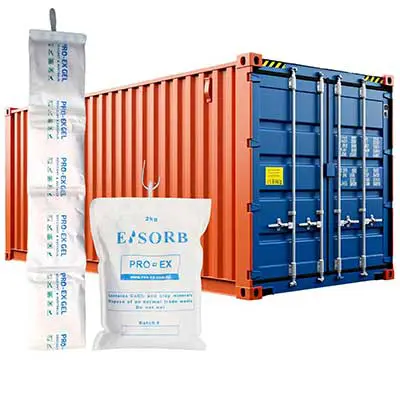
Protect Your Shipments with the Right Moisture Control Solutions
Using container desiccant bags is one of the most effective ways to prevent container rain and moisture damage during transit or storage.. Whether you’re exporting pharmaceutical items, food and drink products, furniture, textiles, or machinery, proper preparation ensures your goods arrive safely and without damage.
At Protection Experts Australia, we specialise in high-quality moisture protection solutions designed for international shipping. Our container desiccant range are:
- Highly absorbent
- Cost-effective
- Tested for a range of shipping conditions
-
Sale!

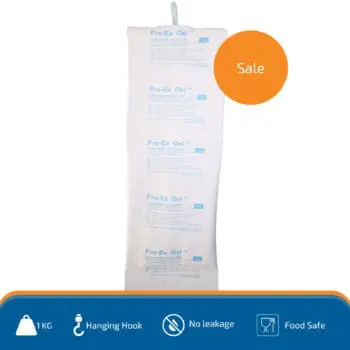
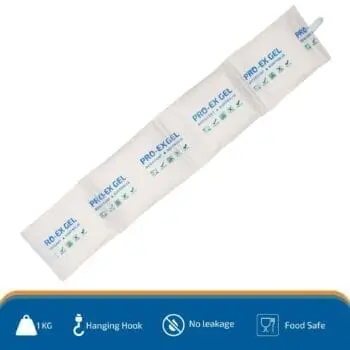
Pro-Ex Gel 1kg Container Shipping Desiccant (8pcs/CTN)
Priced at Original price was: $103.20.$71.20Current price is: $71.20. Excl GST -
Pro-Ex Gel 1kg Container Shipping Desiccant
Priced from $9.900 per unit -
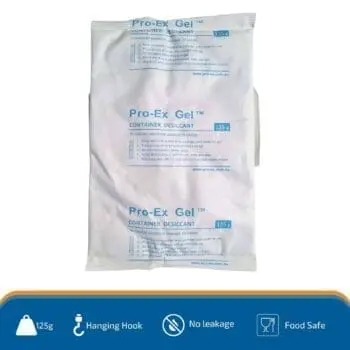
Pro-Ex Gel 125g Pouch Desiccant
Priced from $1.490 per unit -
Sale!
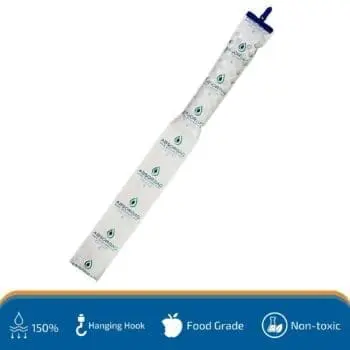
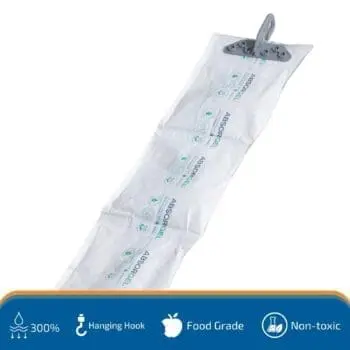
Absorbag 1.5kg Container Desiccant
Priced from $11.875 per unit -
Absorgel 1kg Container Desiccant
Priced from $16.950 per unit -
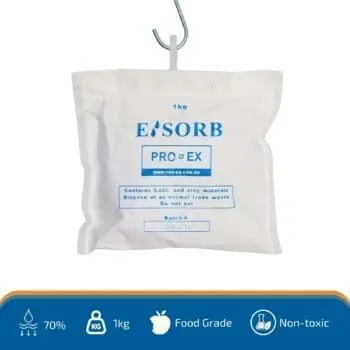
Esorb Mineral Desiccant 1kg
Priced from $3.500 per unit -
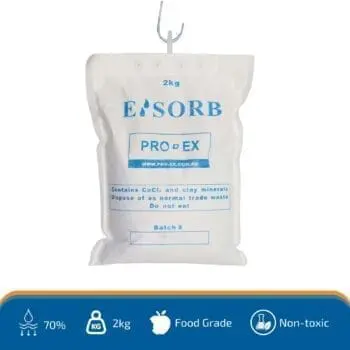
Esorb Mineral Desiccant 2kg
Priced from $5.990 per unit -
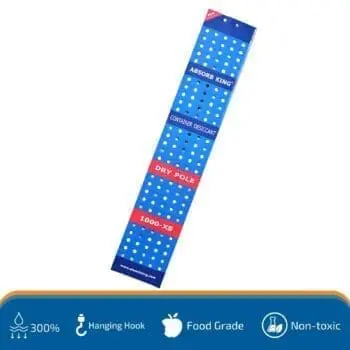
Dry Pole 1kg Container and Shipping Desiccant
Priced from $12.000 per unit
Resources
At Protection Experts Australia, we provide industry-leading desiccants designed for various cargo types. Whether you're exporting food, electronics, textiles, or automotive parts, our moisture control solutions ensure safe, damage-free deliveries and effective storage solutions.
Shipping Desiccants protect your cargo from?
- Mould & Mildew
- Corrosion
- Damaged or Warped Packaging
- Collapsed Packaging
- Bugs
- Bad odour
- Powder caking
- Peeling labels
- Change of taste to food
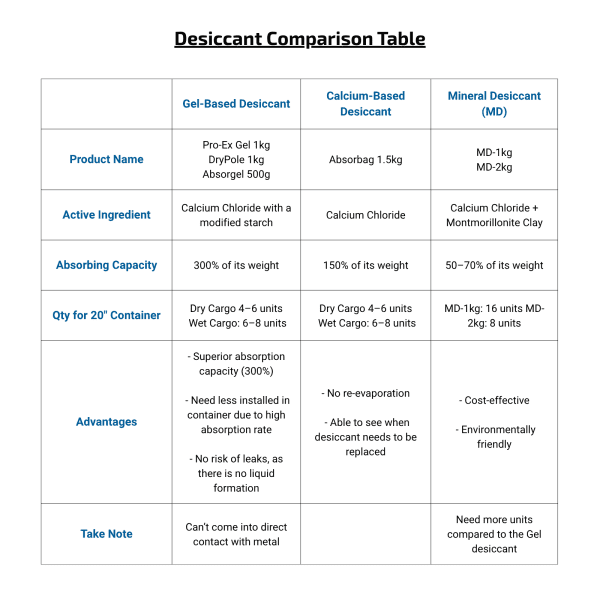
Need the best desiccants for your shipment? Below is a snapshot of what we have to offer
How to Prepare Your Shipping Container for Export with Desiccants: A Step-by-Step Guide
Exporting goods in a shipping container? Protecting your cargo from moisture damage is crucial. Condensation, also known as "container rain," can lead to mould, corrosion, and product degradation. The solution? Desiccant bags and moisture-absorbing solutions designed to keep your container dry throughout transit.
At Protection Experts Australia, we specialize in high-quality desiccants for shipping containers, helping businesses prevent costly moisture-related damages.
1. Choose the Right Desiccant for Shipping Containers
Not all desiccants are created equal. Choose high-performance container desiccants that match your cargo type and shipping route.
Types of Desiccants for Cargo Containers:
- Gel Desiccant – Best High-performance desiccant, capable of absorbing up to 300% of its weight.
- Calcium chloride desiccants – High moisture absorption capacity
- Mineral-based desiccants - Cost-effective for moderate moisture control
- Clay-based desiccants – Environmentally friendly desiccant & Mil-spec desiccant
- Silica gel – Best for small packages (in cartons, crates) or electronics.
How Much Desiccant Do You Need?
The required amount depends on:
- Container size (e.g., 20ft vs. 40ft container)
- Cargo type (wood, fabric, electronics, etc.)
- Shipping duration and climate conditions
For high-humidity routes, a 20ft container may need 4-6 Pro-Ex Gel 1kg desiccant bags for effective moisture absorption.
Protection Experts Australia provides expert guidance on selecting the right moisture control solutions for your specific shipping needs.
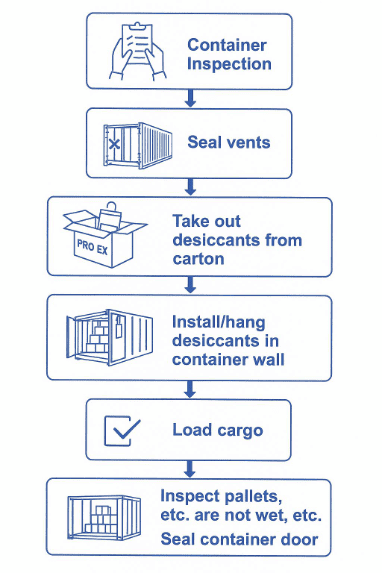
2. Inspect and Prepare Your Shipping Container
Before loading, ensure your container is clean, dry, and leak-free. Follow these steps:
- Check for leaks – Close the doors and look for any light coming through gaps or holes.
- Clean the interior – Remove any dirt, old cargo residues, or standing water.
- Dry out the container – If it is exposed to rain or high humidity, let it air dry completely before loading.
- Seal off the vents - This will ensure no “new” air is introduced into the shipping container during the voyage.
3. Pack Your Goods Using Moisture-Resistant Materials
- Use pallets – Keep cargo elevated from the container floor to reduce direct moisture exposure. Make sure if you are using wooden pallets they are DRY and not wet as these will hold and release a lot of moisture in the container.
- Shrink-wrap or vacuum-seal items – This helps create a barrier against humidity.
- Use container liners or barrier films – Extra protection against condensation.
- Consider ventilated crates - for airflow when shipping perishable goods.
4. Proper Placement of Desiccants in a Shipping Container
Strategic desiccant placement ensures maximum moisture absorption.
- Hang desiccant bags from hooks or secure them on container walls – Prevent direct contact with cargo, ensuring there is a gap for the desiccant to breathe and absorb the moisture in the container. Proper circulation helps the desiccant to work effectively.
- Evenly distribute desiccants – Alongside cargo, near doors, and along walls.
- Avoid floor placement – Pooled water can reduce effectiveness
5. Seal and Monitor Your Container
- Check door gaskets and seals – Ensure an airtight closure to prevent humidity from entering.
- Seal off the vents with tape - Every opening allows new humid air to enter - this is a VITAL STEP, so ensure all the vents are taped up.
- Minimize door openings – Once closed, avoid re-opening until arrival.
- Consider data loggers – Helps analyse moisture trends for this and future shipments.
6. Inspect Your Cargo Upon Arrival
- Check for moisture damage – Look for condensation, mould, wetness on cartons, and corrosion on goods.
- Replace used desiccants for return shipments – If necessary.
Key Sectors Where Shipping Desiccants Provide Protection
Food and Agricultural Products
Shipping grains, coffee beans, dried foods, and spices? Without moisture control, these products are prone to:
- Mould growth
- Clumping & spoilage
- Loss of product quality
Using container desiccants prevents excess moisture from ruining food-grade shipments and extends shelf life.
Best Desiccant for Food Shipments: Gel-based and Calcium chloride-based desiccants offer high moisture absorption for perishable goods.
Electronics and Machinery
Electronic components, circuit boards, and industrial equipment are vulnerable to:
- Corrosion & rust
- Short-circuiting from condensation
- Malfunctions due to moisture exposure
Desiccants for electronics ensure that delicate components stay dry and functional upon arrival.
Best Desiccant for Electronics: Silica gel packets and clay desiccants effectively absorb moisture without damaging sensitive equipment.
Pharmaceuticals & Medical Supplies
Shipping medicines, vaccines, or medical equipment? Moisture exposure can lead to:
- Loss of potency
- Degradation of chemical compounds
- Packaging damage (wrinkling, softening, or mould formation)
Pharmaceutical desiccants help maintain product stability and compliance with international shipping regulations.
Best Desiccant for Pharmaceuticals: Silica gel packets are ideal for maintaining a dry, controlled shipping environment, these are to be used inside medicine bottles or canisters.
Textiles, Leather, and Apparel
Clothing, shoes, and leather goods are prone to:
- Mildew and mould growth
- Musty odours
- Staining and discoloration
Desiccant bags for textiles help prevent moisture damage in clothing and footwear shipments, keeping products fresh and odour-free.
Best Desiccant for Textile Shipments: Clay desiccants or calcium chloride desiccant bags provide excellent protection.
Wooden Furniture and Flooring
Wooden furniture, flooring, and construction materials are at high risk of:
- Swelling and warping
- mould infestation
- Structural weakness due to excessive moisture absorption
Container desiccants protect wood products from moisture-related damages, ensuring they retain their form and durability.
Best Desiccant for Wood Shipments: Gel based desiccant bags effectively absorb excess humidity.
Automotive Parts & Metal Components
Metal products, car parts, and industrial tools can suffer from:
- Rust and oxidation
- Degradation of coatings
- Reduced product lifespan
Desiccants prevent corrosion during overseas shipping, keeping auto and industrial components in top condition.
Best Desiccant for Metal Shipments: Clay desiccants work well in controlling moisture in automotive and industrial shipping.
Storage Desiccants for Long-Term Moisture Protection
Moisture is one of the biggest threats to stored goods. Whether you’re storing electronics, machinery, textiles, or packaged food, excess humidity can lead to mould, corrosion, and product degradation. The Gel and calcium-based are best for this application.
At Protection Experts, we provide high-performance storage desiccants designed to maintain dry conditions in enclosed spaces over extended periods. Our solutions are ideal for:
-
Warehouses
-
Long-term storage units
-
Sealed packaging
-
Industrial and commercial storage applications
If you’re storing moisture-sensitive items, choosing the right storage desiccants is essential to maintaining quality and shelf life.
Trust Protection Experts for reliable moisture protection – because dry storage is safe storage.
Gel desiccants are regarded as the highest-performance desiccant, capable of absorbing up to 350% of its weight
Calcium Chloride desiccants – High moisture absorption capacity, absorbing up to 150% of its weight.
Mineral-based desiccants – Cost-effective for moderate moisture control, they absorb up to 70% of their weight.
Clay-based desiccants – Environmentally friendly & Mil-spec desiccant, absorbs up to 40% of their weight.
Silica gel – Best for electronics and pharmaceuticals, absorbs up to 40% of its weight.
Pro-Ex Gel 1kg
, available at
Protection Experts Australia
, is a
high-performance calcium chloride desiccant
designed for
maximum absorption and long-lasting moisture control
.
Yes, seal off the vents – this will ensure no “new” air is introduced into the shipping container during the voyage.
A shipping desiccant is a moisture-absorbing product used in shipping containers, warehouses, and storage facilities to prevent condensation, mould, rust, and packaging damage. It works by absorbing excess humidity from the air, reducing the risk of container rain, and keeping cargo dry throughout transit.
When cargo is sealed inside a shipping container, temperature fluctuations cause moisture to condense, leading to:
mould and mildew growth on textiles, food, and paper products.
Rust and corrosion on metal parts and machinery.
Warpage and swelling in wooden products and furniture.
Packaging deterioration, weakening cartons, labels, and shrink wrap.
Using high-quality container desiccants helps prevent moisture-related cargo damage, ensuring safe delivery and product integrity.
The amount of container desiccant required depends on:
Container size (20ft vs. 40ft).
Cargo type (wood, textiles, food, machinery, etc.).
Humidity levels along the shipping route.
Shipping duration (short-term vs. long-term storage).
General Desiccant Usage Guide:
20ft Container → 4 to 8 desiccant bags
40ft Container → 8 to 16 desiccant bags
High-humidity shipments → Additional desiccants for extra protection.
For precise desiccant recommendations, consult Protection Experts Australia for customized moisture control solutions. It all depends on the type of shipping desiccant and its absorption rate.
For maximum effectiveness, place container desiccants as follows:
Hang desiccant bags along container walls to capture moisture as it rises.
Distribute evenly around cargo for balanced absorption.
Avoid floor placement, as standing water can reduce effectiveness.
Allow the desiccant to have room to absorb moisture in the air, and avoid having cargo sitting directly against the hanging desiccant.
The effectiveness of shipping desiccants depends on humidity levels, temperature changes, and cargo type.
Standard usage lifespan: 45 to 90 days
High-humidity shipments: Additional desiccants may be required for extended protection
Quality container desiccants are designed to absorb moisture safely without leaking.
Pro-Ex Gel 1kg converts absorbed water into a gel-like substance, preventing spills.
Non-leak desiccant pouches ensure moisture is trapped without harming cargo.
For high-value shipments, choosing leak-proof desiccants from Protection Experts Australia prevents moisture damage and contamination.
Yes – Industrial-grade desiccants are designed for:
Tropical and humid climates where condensation is high.
Cold environments where temperature fluctuations increase moisture risk.
Ocean freight and long-distance shipments with prolonged exposure to varying temperatures.
Using high-performance desiccants like Pro-Ex Gel 1kg ensures that cargo stays dry in all conditions.
Yes, but it depends on the type of desiccant and packaging method:
Food-safe desiccants are indirect moisture absorbers designed for use inside shipping containers without direct contact with food.
Silica gel desiccants are commonly used in pharmaceutical packaging for controlled humidity levels.
Protection Experts Australia provides safe, reliable desiccant solutions for food-grade shipments and pharmaceutical transport. Speak to one of our representatives to see what desiccant would suit your needs.
For premium moisture control solutions, Protection Experts Australia offers:
High-performance desiccants for shipping containers
Expert guidance on choosing the right desiccant for your cargo
Bulk pricing and fast shipping across Australia
Order Your Shipping Desiccants Today!
📞 Need help selecting the right desiccant for your shipment? Contact Protection Experts Australia for expert advice on preventing container rain and moisture damage.
Container rain refers to moisture condensation inside a shipping container that occurs when warm, humid air cools down and forms water droplets on the container’s interior surfaces. As temperatures fluctuate during transit, this condensation can drip onto goods, leading to mould growth, rust, corrosion, and packaging damage. When the container is exposed to temperatures below the dew point, the moisture from the ambient air will condensate, which is visible at the ceiling and walls of the container. This water will then drip onto the cargo.
[EXTRACT OBJECT]
Container rain is a major concern in international shipping, particularly for long-distance freight, ocean shipments, and containers crossing multiple climate zones. Without proper moisture control, it can lead to significant financial losses due to damaged products.
Container rain is caused by temperature fluctuations and humidity inside the container. Here’s a breakdown of the process:
1. High Humidity Trapped Inside the Container
Shipping containers are airtight once sealed, meaning any moisture present at the time of loading remains inside.
Cargo with a high moisture content (such as wood, textiles, paper, and food) naturally releases moisture into the air.
Even seemingly dry goods can contribute to humidity buildup.
2. Temperature Drops During Transit
As the container moves through different climates or night-time temperature drops, the air inside cools down.
Cooler air cannot hold as much moisture as warm air, leading to condensation.
3. Condensation Forms on the Coldest Surfaces
Water vapor in the air turns into droplets when it touches the cold interior walls and ceiling of the container.
This effect is especially strong in metal shipping containers, as metal conducts heat and cools quickly.
4. Water Drips onto Cargo (Container Rain)
Over time, moisture accumulates on the container ceiling and walls.
It then drips onto cargo, much like rain inside the container—hence the term “container rain.”
[EXTRACT OBJECT]
Airflow Access = Moisture Access
Desiccants need
unobstructed access to ambient air
to pull moisture from it. If a desiccant is buried under cargo, crammed into a tight corner, or sealed away from airflow, it will be far less effective.
Proximity to Moisture Sources
Placing desiccants
near walls
,
under container ceilings
, or near
cargo that emits moisture
(like wood, textiles, or food) allows them to absorb humidity
before it condenses
.
Sufficient Open Volume Around Each Unit
A
hanging desiccant bag
works best when it has at least
10–30 cm of open space around it
, allowing air to circulate freely across the bag surface.
Best Practices for Desiccant Spacing and Placement
Avoid These Mistakes
Don’t
stack or bunch
desiccants together – it reduces surface area exposure.
Avoid
placing them directly on the floor
unless designed for it (e.g. flat desiccant mats).
Don’t place them inside shrink wrap – they can’t absorb moisture from sealed air.
[EXTRACT OBJECT]
Why You Should Avoid It
Blocked Airflow = Reduced Effectiveness
Desiccants work by
pulling moisture from the surrounding air
. If they’re wrapped in plastic or tightly sealed under stretch film,
air can’t reach them
, and they can’t absorb humidity effectively.
Traps Moisture Inside
If any moisture is already inside the pallet area when shrink-wrapped, the desiccant can’t
ventilate or remove
it – it’s essentially sealed in with the cargo.
Wasted Desiccant
Even a high-performing desiccant like calcium chloride won’t help if it’s
isolated from open air
. You’ll use the product without getting full protection.
[EXTRACT OBJECT]
Better Practice
Hang or attach desiccants
along the container walls or from lashing rings.
Ensure
10–30 cm of open space
around each unit for proper airflow.
If placing near pallets, position the desiccant
outside the shrink wrap
or
between pallets
with clear air exposure.
[EXTRACT OBJECT]
Final Tip: Think of desiccants like air filters
The more air they’re exposed to, the more moisture they can absorb. For best performance, always consider
airflow
,
space
, and
strategic placement
— not just quantity.
[EXTRACT OBJECT]
Mould & Mildew
Corrosion
Damaged or Warped Packaging
Collapsed Packaging
Bugs
Bad odour
Powder caking
Peeling labels
Change of taste to food
Prevents container rain & condensation damage
Extends product shelf life & maintains quality
Reduces costly claims & product losses
Ensures compliance with shipping & export regulations