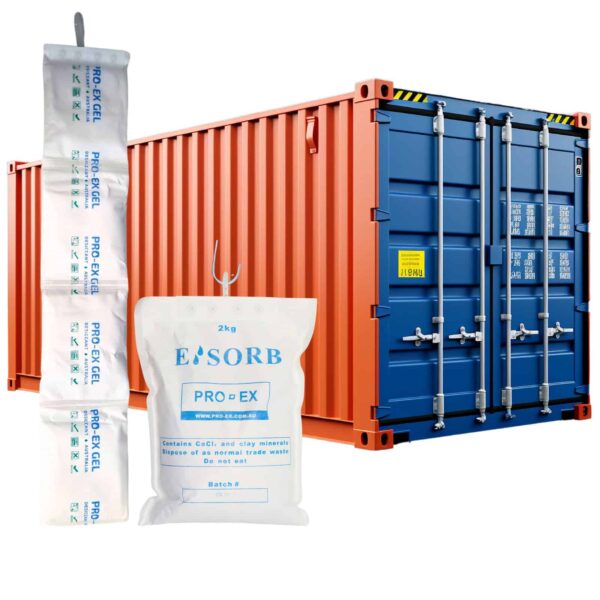

Container rain is caused by temperature fluctuations and humidity inside the container. Here’s a breakdown of the process:
1. High Humidity Trapped Inside the Container
Shipping containers are airtight once sealed, meaning any moisture present at the time of loading remains inside.
Cargo with a high moisture content (such as wood, textiles, paper, and food) naturally releases moisture into the air.
Even seemingly dry goods can contribute to humidity buildup.
2. Temperature Drops During Transit
As the container moves through different climates or night-time temperature drops, the air inside cools down.
Cooler air cannot hold as much moisture as warm air, leading to condensation.
3. Condensation Forms on the Coldest Surfaces
Water vapor in the air turns into droplets when it touches the cold interior walls and ceiling of the container.
This effect is especially strong in metal shipping containers, as metal conducts heat and cools quickly.
4. Water Drips onto Cargo (Container Rain)
Over time, moisture accumulates on the container ceiling and walls.
It then drips onto cargo, much like rain inside the container—hence the term “container rain.”
[EXTRACT OBJECT]
How Does Container Rain Form?